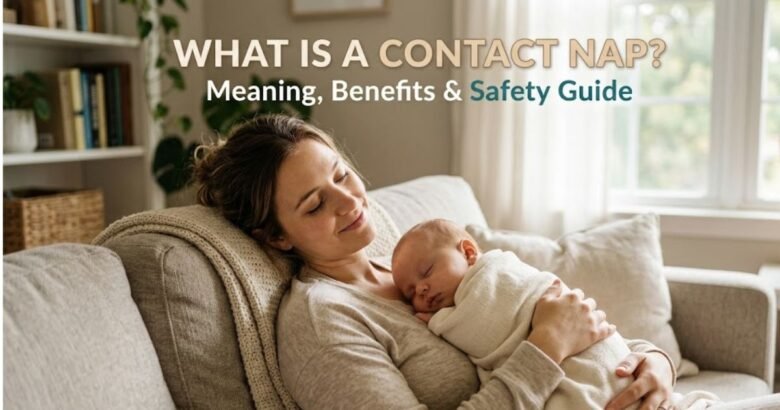
A contact nap is when a baby sleeps while being held or resting on a parent’s body, usually on the chest or in the arms. It provides comfort, warmth, and a sense of security, helping babies fall asleep faster and sleep more peacefully. Many parents use contact naps to soothe fussy infants, strengthen bonding, and support emotional development, especially in the early months.
The Science Behind Snuggle Sleep
Mimicking the Womb Environment
Think about where your baby lived before they were born. The womb was warm. It was dark. It was noisy with the sound of your heartbeat. It was a cozy, tight space.
When your baby is born, the world is huge. It is bright, cold, and quiet. This big change is why experts talk about the fourth trimester. This idea means your baby still needs womb-like comfort for the first three months of life. Sleeping on your chest gives them the warmth, smell, and heartbeat they missed.
Skin-to-Skin Care and Development
Doctors love something called kangaroo care. This is when you hold your baby wearing only a diaper against your bare chest. It is a powerful type of skin-to-skin care.
This closeness helps your baby’s brain grow. It helps them feel secure. When a baby feels safe, they use their energy to grow instead of crying.
Psychological Benefits for Parents and Babies
Holding your sleeping baby is not just good for them. It is great for you, too. When you cuddle, your brain releases oxytocin. We call this the “love hormone.” It makes you feel happy and relaxed. It builds a deep parent-baby bonding experience that lasts a lifetime.
Benefits of Contact Naps
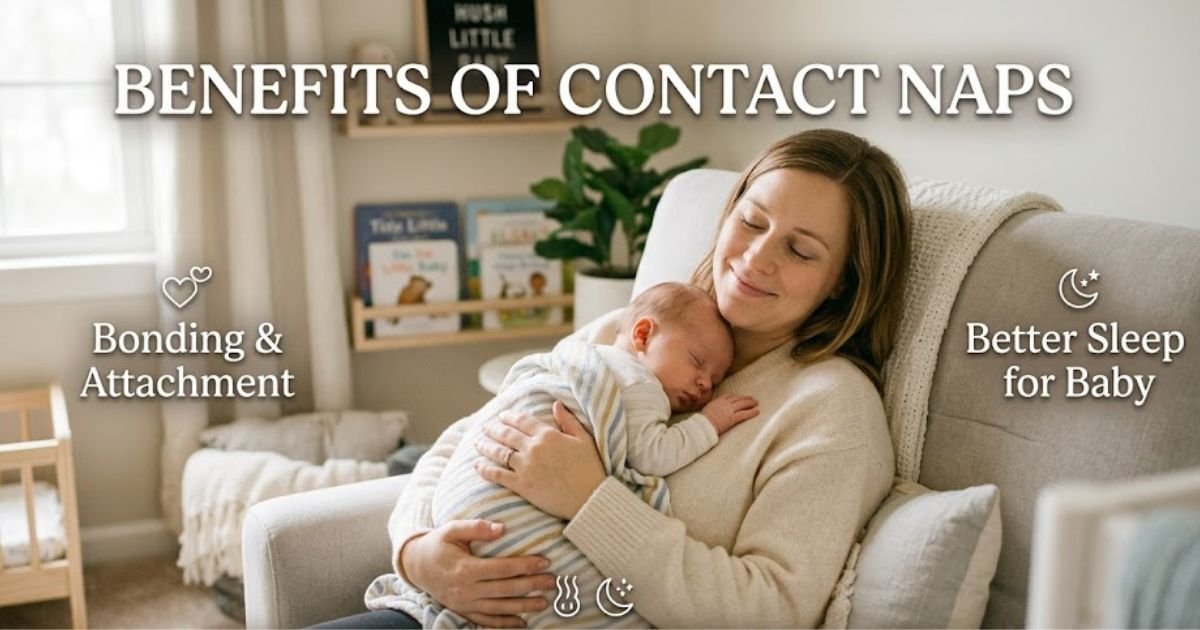
What are the actual benefits of contact napping? Let us look at the amazing things that happen when your baby snoozes in your arms.
Building Emotional Connections
Bonding with your baby takes time. Holding them while they sleep is a perfect way to build trust. Your baby learns that you are always there for them. This trust makes them feel confident as they grow.
Do Babies Sleep Longer With Contact Sleeping?
Yes, they often do! Many parents notice a huge improvement in baby sleep quality when holding their little one. A baby who only sleeps for twenty minutes in a crib might sleep for two hours on your chest. They feel safe, so they fall into a deeper sleep.
Regulating Vital Signs
Your body is like a magic heater and pacemaker for your baby. When they sleep on you, their breathing matches yours. Their heart rate slows down and gets steady. Your body even changes temperature to keep them perfectly warm or cool.
Emotional Benefits for Parents
The emotional benefits of contact napping for parents are massive. Yes, you might feel stuck on the couch. But you also get a forced break. You get to sit down, rest, and stare at your beautiful baby. This quiet time lowers your stress and helps you heal after birth.
Breastfeeding Success
There is a strong link between contact napping and breastfeeding success. Being close to your baby helps your body make more milk. It also makes it easy to feed your baby the second they wake up hungry.
Drawbacks to Consider
Of course, holding your baby for every single sleep session is not always easy. Let us talk about the drawbacks of contact napping.
The Nap Trap
We call this being “nap trapped.” You have laundry to do. You want to eat a hot meal. You really want to take a shower. But your baby is sleeping on you, and you have limited mobility. This can feel frustrating when your to-do list is miles long.
Over-Reliance on Contact for Sleep
Some parents worry about baby sleep habits. If your baby only sleeps in your arms, they might struggle to sleep anywhere else. This over-reliance can make things tough when you need a break or have to go back to work.
Transition Challenges
Moving a baby from your arms to a crib is hard. You might carefully lower them down, step away, and then hear them cry two minutes later. Baby sleep regression and contact napping often go hand-in-hand. When babies hit a growth spurt or learn a new skill, they want to be held even more.
Are Contact Naps Safe?
Safety is the most important thing when it comes to baby sleep. So, let us answer the big question.
Safe Sleep Guidelines
Yes, they are safe, but only if you follow strict baby sleep safety rules. The number one rule is this: You must stay awake.
If you fall asleep while holding your baby, it becomes dangerous. Your baby could slide down. Their airway could get blocked. They could fall off your lap.
Common Mistakes to Avoid
Never hold your sleeping baby on a soft couch or a recliner if you feel sleepy. These soft spaces are the most dangerous places to accidentally fall asleep.
How to Make Contact Sleep Safe
If you feel tired, ask for help. Have your partner or a friend sit in the room with you. They can watch you and make sure you stay awake. You can also listen to a podcast, read a book, or drink some cold water to keep your eyes open.
If you simply cannot stay awake, you must put your baby in their crib. It is better for them to cry for a few minutes in a safe space than to sleep in your arms while you are asleep.
How to Transition to Independent Sleep
Eventually, you will want your baby to sleep on their own. Baby sleep independence takes time. Here are some tips for transitioning from contact sleeping.
Gradual Steps for Independence
Do not rush it. Start small. Try putting your baby in their crib for just the first nap of the day. The morning nap is usually the easiest one. If they wake up and cry, comfort them. Try again the next day. How to wean baby off contact sleep is all about patience.
Creating a Sleep-Friendly Environment
Your baby sleep environment matters a lot. Make their room dark. Keep it cool. A good temperature is around 68 to 72 degrees. If their room feels good, they will want to sleep there.
Using Sleep Aids
Baby sleep products can be lifesavers. Use a white noise machine to block out loud sounds in the house. White noise sounds like the rushing blood in the womb.
Swaddles are also great for younger babies. A swaddle wraps them up tight, making them feel like they are being held. If your baby takes a pacifier, offer it to them. Sucking is very relaxing for babies.
How to Encourage Independent Baby Sleep
Watch for baby sleep cues. If your baby rubs their eyes, yawns, or stares blankly, they are tired. Put them in their crib when they are drowsy but still awake. This helps them learn how to fall asleep without you rocking or holding them.
Unique Insights: Working Parents
Being a parent is a full-time job. But what if you have an actual full-time job outside the house, too? Contact sleeping and working parents can be a stressful mix.
Balancing the Snuggles with a Busy Schedule
If you work from home, holding a sleeping baby while typing on a laptop is hard. Use a baby carrier safely. A good carrier keeps your baby close to your chest while keeping your hands free. Just make sure their face is visible and their chin is not pressed against their chest.
Daycare Transitions
If your baby goes to daycare, you might worry. Will they sleep for the teachers? Babies are smart. They learn that things are different at daycare. The teachers have special ways to soothe babies to sleep. Your baby might sleep perfectly in a crib at daycare, but still want to sleep in your arms at home. That is completely normal!
Expert Tips for Making the Most of the Snuggles
How to Enjoy It Without Feeling Trapped
Change your mindset. Instead of thinking about the laundry, look at your baby’s face. Memorize their tiny eyelashes. Smell their sweet head. Remind yourself that they will only be this small once. Enjoy the forced rest. Read a book, watch a show, or text a friend.
Incorporating Snuggles into Your Daily Routine
Build baby nap routines that work for you. Maybe you decide to hold your baby for the afternoon sleep every single day. Make it a special time. Get your water, your snacks, and your phone charger ready before you sit down. Plan for it, so you do not feel frustrated by it.
Conclusion
Contact naps are a natural and comforting way to help babies feel safe and relaxed while sleeping. They support bonding between parent and child and can make early parenting a little easier. However, safety should always come first by ensuring proper positioning and staying awake. As your baby grows, you can slowly introduce independent sleep, but there’s no harm in enjoying these close moments while they last.
FAQs
Are contact naps safe for babies?
Yes, contact naps can be safe when done correctly. The baby should always be placed in an upright position on the parent’s chest with their face visible and airway clear. It’s important that the parent stays awake during the nap and avoids soft surfaces like couches or beds where the baby could slip or suffocate.
Why do babies prefer contact naps over sleeping alone?
Babies feel more secure when they are close to their parents because they can hear the heartbeat, feel warmth, and sense familiar breathing patterns. This closeness mimics the womb environment, which helps calm them, reduce crying, and improve sleep quality, especially in newborns.
When should I stop contact napping with my baby?
There is no strict age to stop contact naps. Many parents gradually transition their baby to independent sleep as they grow and develop better sleep habits. This usually happens between 3 to 6 months, but every baby is different, so it’s best to follow your baby’s comfort and routine.