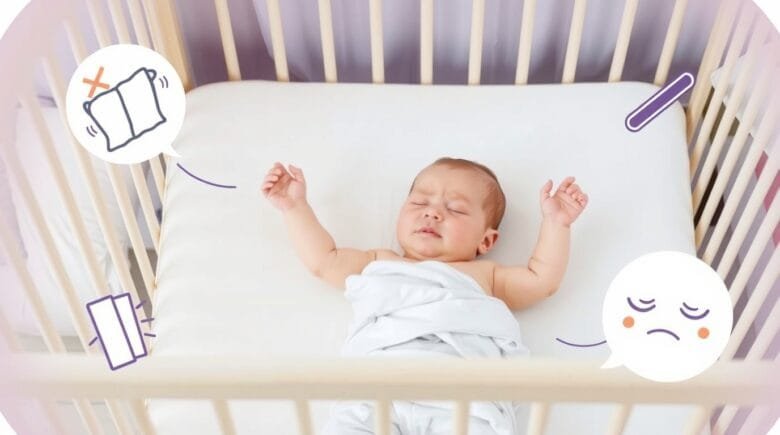
Is your little burrito fighting back? You’ve wrapped them snugly, dimmed the lights, and turned on the white noise, but instead of drifting off to dreamland, your baby is kicking, grunting, and acting like they’re in a wrestling match. If this sounds familiar, you might be dealing with swaddle resistance.
While swaddling is a lifesaver for many new parents, it’s not a magic fix for every baby forever. Sometimes, it’s simply time to move on. But how can you tell if it’s just a rough night or if your baby hates the swaddle for good? Understanding the signs baby doesn’t want to be swaddled anymore is key to getting everyone back to sleep.
What Are the Signs Your Baby Doesn’t Want to Be Swaddled?
Figuring out if your baby genuinely dislikes being swaddled or is just having a fussy moment can feel like solving a puzzle. Luckily, babies are pretty direct with their signals. If you’re seeing a pattern of these behaviors, it might be time to consider a change.
Breaking out of the swaddle frequently
Does your little one treat their swaddle like a straitjacket they must escape? If you constantly find them with an arm (or both!) free, they might be telling you they need more room to move. A baby breaking out of their swaddle can also create a risk with loose blankets in the crib, which goes against safe sleep practices for newborns.
Crying or fussing when swaddled
A little fussing as you wrap them up can be normal, especially if they’re already tired. But if the crying starts the moment the blanket comes out and only stops once they’re free, that’s a strong sign your baby hates the swaddle. Pay attention to whether the swaddle calms them down after a minute or if the protest continues.
Rolling over or showing increased mobility
One of the most important signs to watch for is your baby attempting to roll over. Once they start showing signs of rolling, even during playtime, swaddling is no longer safe. They need their arms free to push up and reposition their head if they roll onto their tummy.
Short, restless naps in the swaddle
If swaddled naps are consistently short and choppy, but your baby sleeps more peacefully when held or unswaddled, they may be uncomfortable. Restless squirming and waking up frequently are clear indicators that the swaddle isn’t providing the comfort it’s supposed to.
Why Do Some Babies Hate Being Swaddled?
If you’ve confirmed that your baby hates the swaddle, you might be wondering why. It’s not personal, and you’re not doing anything wrong. Swaddle resistance often comes down to your baby’s unique personality and physical needs. Understanding the root cause can help you find a solution that works for both of you.
Feeling restricted or trapped
Some babies are natural movers and simply don’t like being confined. They might want their hands near their face to self soothe or enjoy the freedom to stretch out. For these little ones, the snug wrap of a swaddle can feel more like a trap than a comfort, leading them to fight it with all their might.
Overheating due to fabric or layers
Babies can’t regulate their temperature as well as adults, and overheating is a serious concern for safe sleep. If the swaddle is made from a heavy fabric or you’ve used too many layers underneath, your baby might be getting uncomfortably warm. This discomfort can easily be mistaken for a dislike of swaddling itself. Always check for signs of overheating, like damp hair or flushed cheeks.
Sensory preferences and temperament
Just like adults, babies have their own sensory preferences. Some find the tight pressure of a swaddle calming, while others find it overstimulating or just plain annoying. A baby with a more active or sensitive temperament might simply prefer a different kind of comfort that allows for more freedom.
Developmental milestones like rolling over
As your baby gets stronger, their desire for movement increases. The urge to practice new skills, like rolling over, often signals the end of the swaddling phase. Their natural developmental drive to move and explore overrides their need for that snug, contained feeling, making swaddling an obstacle rather than a comfort.
How to Identify If Swaddling Is Still Right for Your Baby
Deciding whether to continue swaddling can feel like a big decision, but a little observation goes a long way. Before you make the call, take some time to play detective and gather clues about what your baby truly needs for a good night’s sleep.
Observing sleep patterns with and without swaddling
Try a little experiment. For a few naps, try swaddling your baby, and for a few others, let them sleep in a safe alternative like a sleep sack. Does one method lead to longer, more peaceful sleep? If they sleep just as well (or even better) without the swaddle, it’s a good sign they’re ready for the transition out of the swaddle. If their sleep falls apart without it, they might still benefit from that snug feeling for a little while longer.
Assessing safety concerns (e.g., rolling over)
Safety is non negotiable. The moment your baby shows signs of trying to roll from their back to their tummy, it’s time to stop swaddling immediately. This is a critical rule for safe sleep for newborns. A swaddled baby who rolls onto their stomach may not be able to lift their head or use their arms to get out of a dangerous position. Keep a close eye on their movements during both sleep and play.
Understanding the Moro reflex and its role in swaddling
The Moro reflex, or startle reflex, is that “falling” sensation that causes your baby’s arms to flail and wakes them up. Swaddling helps contain this reflex. If your baby still startles easily and wakes themself up, the swaddle is likely still serving its purpose. However, as they mature, this reflex diminishes. If you notice they aren’t startling as much, their need for the swaddle is naturally decreasing.
What Are the Risks of Continuing to Swaddle a Resistant Baby?
It can be tempting to keep swaddling even when your little one protests, especially if it was the magic button for sleep just a few weeks ago. However, pushing through swaddle resistance isn’t just frustrating for you both, it can actually introduce some real risks. Ignoring the signs that your baby hates the swaddle might lead to safety issues that every parent should know about.
Safety concerns with rolling over
This is the most critical rule for safe sleep for newborns. If your baby manages to roll onto their stomach while their arms are pinned down inside a swaddle, they cannot use their hands to push up or turn their head to breathe safely. This is why experts say you must stop swaddling the moment your baby shows any sign of trying to roll over.
Impact on hip development
Babies need to be able to bend their legs up and out, kind of like a little frog. If a swaddle is wrapped too tightly around the hips and legs, forcing them to be straight, it can lead to hip problems later on. A baby who is fighting the blanket might kick hard against a tight wrap, putting extra pressure on those developing joints.
Increased risk of overheating
When a baby fights against a swaddle, they work up a sweat. All that crying, wiggling, and struggling raises their body temperature. Since babies can’t cool themselves down easily, this struggle increases the risk of overheating, which is a big danger during sleep. If you notice damp hair or flushed cheeks, it’s time to unwrap them immediately.
Alternatives to Swaddling: What Are Your Options?
So, you’ve decided it’s time to ditch the swaddle. Great! But now what? Leaving your baby in just pajamas might not give them that cozy feeling they still crave. Thankfully, there are fantastic alternatives to swaddling that keep your baby feeling secure while prioritizing safe sleep for newborns. If your baby hates the swaddle, one of these options might be the perfect fit.
Sleep sacks and wearable blankets
Think of a sleep sack as a cozy, wearable sleeping bag for your baby. It provides warmth and a sense of security without restricting their arms or legs. This is often the go to choice for parents transitioning away from the swaddle because it keeps your baby covered all night (no kicked off blankets!) and allows for safe movement. They come in various weights, so you can choose one that’s right for the temperature of your home.
Arms out or one arm out swaddling techniques
If your baby isn’t quite ready to go fully unswaddled, a partial wrap can be a game changer. Try swaddling them with one arm out for a few nights, then switch to both arms out while keeping their torso snugly wrapped. This gives them the freedom to use their hands to self soothe while still providing that familiar, comforting pressure around their middle.
Lightweight, breathable fabrics for comfort
Sometimes the issue isn’t the swaddle itself, but the material. Heavy or synthetic fabrics can cause overheating and discomfort. Switching to a swaddle made from lightweight, breathable fabrics like cotton muslin or bamboo can make a world of difference. These materials allow for better airflow, keeping your baby comfortable and reducing the risk of overheating.
How to Transition Out of Swaddling
Making the transition out of the swaddle can feel like a big step, but it doesn’t have to disrupt your baby’s sleep. Whether your baby is showing swaddle resistance or hitting a new developmental milestone, having a plan can make the process smoother for everyone. The key is to move at a pace that feels right for your little one while keeping safe sleep for newborns as your top priority.
Gradual methods for transitioning (e.g., one arm out)
A slow and steady approach often works best. Start by leaving one arm out of the swaddle for a few nights. This allows your baby to get used to a little more freedom while still feeling the comforting pressure of the wrap. Once they adjust, you can free the other arm, using the swaddle just around their torso. Soon, you can transition them to a sleep sack for that final step to freedom.
Signs your baby is ready for the transition
Your baby will give you clues when they’re ready to move on. The most obvious sign is attempting to roll over, which means swaddling is no longer safe. Other indicators include consistently breaking out of the swaddle, fighting the wrap more than usual, or simply sleeping better with their arms free. If you’re seeing these signs, it’s time to start the transition.
Tips for maintaining safe sleep practices during the transition
As you transition, continue to follow safe sleep guidelines. Always place your baby on their back to sleep in a crib or bassinet that is free of loose blankets, pillows, and toys. A sleep sack is a great option because it provides warmth without the risk of covering your baby’s face. Ensure the room is a comfortable temperature to avoid overheating.
How to Calm a Baby Who Hates Swaddling
If your baby hates the swaddle and fights it every night, bedtime can quickly turn into a stressful battle. But don’t worry, swaddling isn’t the only way to help your little one settle down. When you can’t rely on that tight burrito wrap, you can lean on other comforting techniques to signal that it’s time for sleep. By focusing on sensory cues and consistent habits, you can overcome swaddle resistance and help everyone get some rest.
Creating a soothing bedtime routine
Babies thrive on predictability. A consistent routine acts like a series of little signals telling your baby’s brain that sleep is coming. This is especially important if you are moving away from swaddling. Try doing the same things in the same order every night, like a warm bath, a gentle massage, and a quiet story. This predictability helps them feel safe and relaxed, making it easier to drift off even without the swaddle.
Using white noise, dim lighting, and gentle rocking
Since you aren’t using the swaddle to limit their movement, you need other ways to calm their senses. Safe sleep for newborns works best in a dark, quiet environment. Dim the lights an hour before bed to help their body produce sleep hormones. A white noise machine is also magic; it mimics the constant “whooshing” sound of the womb, covering up sudden noises that might startle them. Combine this with gentle rocking or swaying before placing them in the crib to soothe their nervous system.
Incorporating familiar scents and textures
Smell is a powerful sense for babies. If you are using a sleep sack instead of a swaddle, try wearing it against your skin for a few hours before putting it on your baby. Your scent is incredibly comforting to them. You can also ensure the fabric of their pajamas or sleep sack is soft and cozy, giving them a tactile sense of security that replaces the tight hug of a swaddle.
Common Myths About Swaddling
When it comes to baby sleep, advice and old wives’ tales are everywhere. Swaddling is no exception. It’s easy to get tangled up in myths that cause unnecessary worry. Let’s clear the air and bust a few common myths about swaddling so you can feel confident in your choices, whether you use a swaddle or not.
All babies need to be swaddled to sleep well.
This is simply not true. While many newborns find swaddling comforting because it mimics the womb, every baby is different. Some babies show swaddle resistance from day one, and forcing it can make sleep worse, not better. If your baby hates the swaddle, listening to their cues and finding an alternative is a better path to peaceful sleep.
Swaddling is unsafe for all babies.
When done correctly, swaddling is perfectly safe for newborns. The key is to follow guidelines for safe sleep for newborns. This means ensuring the swaddle is snug but not too tight around the hips and always placing the baby on their back to sleep. Swaddling only becomes unsafe when a baby starts to roll over, which is when it’s time to stop immediately.
Swaddling delays development.
This is a common worry, but there’s no evidence to support it. Swaddling is only used for sleep, leaving plenty of time for your baby to kick, stretch, and move freely during their waking hours. Tummy time and interactive play are what truly support their physical development. As long as your baby has freedom of movement when they are awake, swaddling for sleep won’t hold them back.
FAQs
Why does my baby cry when swaddled?
Crying when swaddled could mean a few things. They might be too hot, feel too restricted, or simply be overtired and fighting sleep. If your baby hates the swaddle consistently, it’s a clear sign of swaddle resistance, and it might be time to try an alternative.
How do I know when to stop swaddling my baby?
The number one rule is to stop swaddling as soon as your baby shows any signs of being able to roll over. This is a critical step for safe sleep for newborns. Other signs include frequently breaking out of the swaddle or seeming happier with their arms free.
What are the best fabrics for swaddling in hot climates?
In warmer weather, choose lightweight and breathable fabrics like cotton muslin, bamboo, or a lightweight jersey knit. These materials allow for good airflow, which helps prevent your baby from overheating.
Can I swaddle my baby if they roll over during tummy time?
No. Any sign of rolling, even if it’s just during playtime, means it’s time to stop swaddling for sleep. They need their arms free to push up and move their head if they accidentally roll onto their tummy in the crib.
How can I prevent the startle reflex without swaddling?
While swaddling is great for the startle reflex, a sleep sack can also provide a sense of security. Additionally, a consistent bedtime routine and using white noise can help your baby feel calm and secure, making them less likely to startle themselves awake.
Conclusion
Navigating the world of baby sleep can feel overwhelming, but remember, you are the expert on your own child. Dealing with swaddle resistance is just one of many puzzles you’ll solve on your parenting journey. The most important thing is to trust your instincts, prioritize safety, and find a rhythm that works for your family.