
Is your baby refusing the crib and only happy snoozing on you? You’re not alone. Many parents face the “contact nap” phase, where their little one only sleeps while cuddled. It can be exhausting, frustrating, and sometimes even feel impossible. But understanding why your baby prefers contact naps, how it affects their sleep, and what …

Contact naps can feel magical, your baby sleeps peacefully while resting right on you, but are you holding them the safest way? Knowing the best contact nap positions can make a big difference in your baby’s comfort, breathing, and overall sleep quality. In this guide, you’ll learn simple, safe, and cozy contact napping positions that …
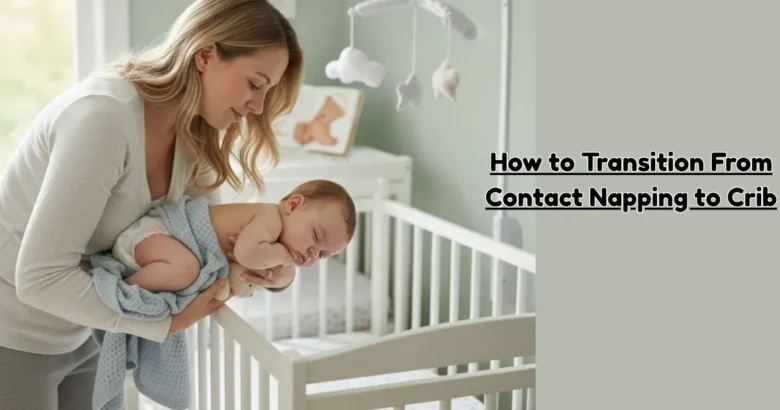
To transition from contact napping to the crib, start slow and keep it gentle. First, create a simple nap routine (feed, cuddle, sleep) so your baby knows what to expect. Once your baby is calm and drowsy but not fully asleep, place them in the crib. This helps them learn to fall asleep independently. Begin …

Are contact naps bad? Not really! Many parents wonder if holding their baby to nap will spoil them, but contact naps can actually boost comfort and bonding. The main downside is that too many may make independent naps harder later. By understanding the pros and cons, you can make contact naps work safely and happily …
Deciding to stop co-sleeping is a significant step that can help both babies and parents develop healthier sleep routines. Moving your baby to their own sleep space encourages independence, improves sleep quality, and reduces nighttime disturbances for the whole family. Successfully stopping co-sleeping involves a gentle, gradual approach with consistency and reassurance. Creating a safe …
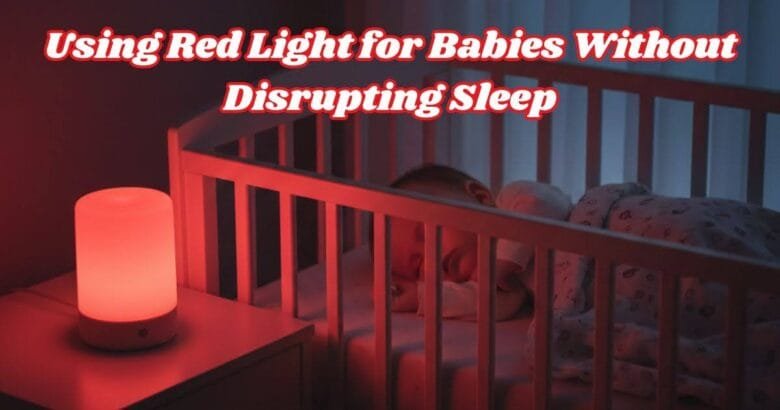
Using a red light for babies has become increasingly popular as parents look for gentle ways to support better sleep. Red light is known to be less stimulating than white or blue light, helping preserve melatonin levels and making nighttime feeds, nappy changes, and soothing less disruptive for a baby’s sleep cycle. A soft red …

Managing a catnapping baby can be exhausting, especially when short naps lead to an overtired, fussy baby throughout the day. Catnapping is common in early infancy as babies adjust to sleep cycles, but without the right support, it can disrupt both daytime routines and nighttime sleep. Helping a baby move beyond catnaps often involves adjusting …

Feeding to sleep is a common habit, especially in the early months, but over time it can make it harder for babies to settle independently. When a baby relies on feeding as the only way to fall asleep, they may struggle to self-soothe during night wakings and need frequent help to return to sleep. Stopping …

Most babies drop to one nap between 12 and 18 months, but the timing isn’t the same for every child. This transition happens as sleep needs change and babies can stay awake longer without becoming overtired. Signs like resisting the second nap, taking longer to fall asleep, or waking early from naps often signal that …
Night terrors in babies can be frightening for parents to witness, but they’re usually harmless and temporary. During a night terror, a baby may cry, scream, or appear awake while still being asleep, often without recognizing caregivers. These episodes are linked to an immature nervous system, overtiredness, or disrupted sleep cycles, not bad dreams. Understanding …