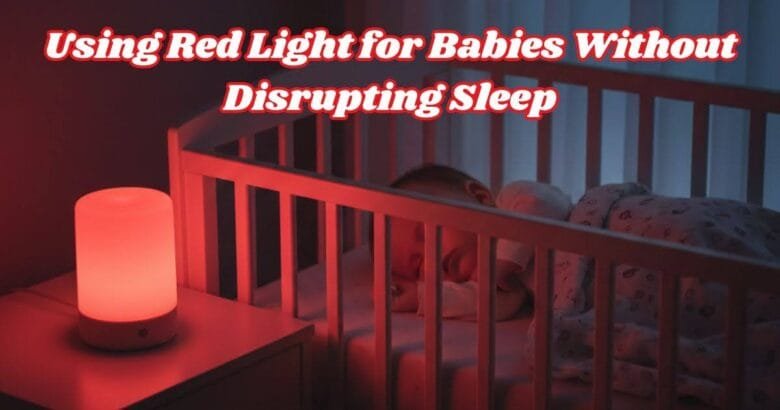
Using a red light for babies has become increasingly popular as parents look for gentle ways to support better sleep. Red light is known to be less stimulating than white or blue light, helping preserve melatonin levels and making nighttime feeds, nappy changes, and soothing less disruptive for a baby’s sleep cycle.
A soft red night light can create a calm sleep environment while still providing enough visibility for parents to care for their baby safely. When used correctly, it can support longer stretches of sleep, smoother night wakings, and a more restful bedtime routine for both babies and parents.
The Biology of Baby Sleep
Hormones and Your Baby’s Brain
You might think your baby is just a tiny, cute sleeping machine, but there is a lot going on under the surface. It all comes down to two big players in our bodies: melatonin and cortisol. Think of melatonin as the “sleepy hormone.” It tells our bodies when it is time to rest. Cortisol is the opposite; it is the “wake-up hormone” that gets us moving.
Light is the boss of these hormones. Bright blue daylight tells the brain to stop making melatonin and start pumping out cortisol so we feel alert. Darkness does the reverse. But here is the catch: regular household lights can trick your baby’s brain into thinking it is daytime, stopping that precious melatonin production right when you need it most. This is why switching to a red light for babies is a game changer. It is gentle enough that it does not disturb those sleepy chemicals, helping to regulate melatonin production even during middle-of-the-night feeds.
When Does a Sleep Clock Start?
If your newborn seems to have their days and nights mixed up, do not worry. It is completely normal. Babies are actually born without a circadian rhythm, which is just a fancy name for an internal body clock. For the first few months, they sleep whenever they are tired, regardless of whether it is noon or midnight.
Around the 10 to 12-week mark, something amazing happens. Your baby’s body starts to develop its own sleep clock. This is a crucial time to set good habits. By using a red night light during the evening and night, you help teach their developing brain the difference between awake time and sleep time.
The Sunset Effect
Nature has given us the perfect blueprint for sleep: the sunset. Have you ever noticed how the sky turns beautiful shades of orange and red as the sun goes down? That is nature’s way of telling every living thing that rest is coming.
Using a red light in your nursery creates a similar “sunset effect” indoors. It mimics those natural environmental cues that trigger drowsiness. By bathing the room in a warm, reddish glow, you are working with your baby’s biology, not against it. It signals that the day is done, helping them drift off faster and stay asleep longer.
Red Light vs. The Rest
The Hidden Sleep Thief
You might think that any dim light is fine for the nursery, but there is a hidden sleep thief lurking in many homes. It is called blue light. This is the same light that comes from your phone, tablet, and TV screens. Even some regular white LED bulbs have a lot of secret blue light hidden inside them.
The problem with blue light disruption is that it is very good at waking us up. It shouts at your baby’s brain that the sun is up and it is time to play. This stops the body from making melatonin, that important sleepy chemical we talked about earlier. So, even if the room feels cozy, that blue glow could be the reason your little one is wide awake at 2 AM.
Why Amber Isn’t Enough
Some parents try to fix this by using warm white or amber lights. These definitely look softer and cozier than bright white bulbs. But here is the truth: amber isn’t quite enough. While it is better than blue, amber light still contains a mix of colors that can trick the brain.
Think of it like trying to sleep with a very quiet radio on. It is not loud, but it is still distracting enough to keep you from falling into a deep sleep. Red light is different. It is the only color that has zero effect on your baby’s sleep clock. It lets them rest fully without any mixed signals.
Is Red Light Safe for Infants’ Eyes?
As a parent, your first job is to keep your baby safe. So, you might be asking, is red light safe for infants? The answer is a big yes. In fact, red light is actually much gentler on the eyes than standard white bulbs.
Because red light has a longer wavelength, it is not as harsh or intense. It allows you to see clearly during diaper changes without stinging your eyes or your baby’s eyes. Of course, you should never put a bright light directly in your baby’s face. But a soft red glow in the corner of the room is perfectly safe and helps banish any fear of the dark without causing any harm.
Technical Deep Dive: What Makes a Light “Sleep Safe”?

The Nanometer Nuance
It might sound a little nerdy, but not all red lights are the same. To get the amazing sleep benefits we’ve been talking about, you need the right kind of red. Think of it like baking a cake. You can’t just throw in any white powder; you need flour. For a sleep-safe red light, the “flour” is a specific wavelength.
Scientists measure light in something called nanometers, or “nm” for short. The best wavelength for sleep falls in the 630nm to 670nm range. This specific shade of red is what truly protects your baby’s sleepy hormones. When you’re shopping for a red night light, check the box or description for this number. If it’s not listed, you might be getting a “mystery red” that won’t give you the results you’re looking for.
Why Flicker Rate Matters
Have you ever tried to take a video of a screen and seen weird lines moving across it? That’s called flicker. Many cheap LED lights, even if they’re red, have a secret flicker that your eyes might not notice, but your brain sure does.
This invisible strobing can be very stimulating for a baby’s brain, like a tiny, silent disco party happening in their room. It can make it harder for them to relax and settle into a deep sleep. A good quality red light will have flicker-free technology. This ensures the light is smooth and steady, creating a truly calm and restful sleep environment.
How Bright is Too Bright?
Finally, let’s talk about brightness. The goal of a night light is to help you see for those midnight missions, not to light up the whole room like a football field. The brightness of a light is measured in lux.
For a nursery, you want the lux level to be very low. It should be just bright enough for you to navigate the room for a diaper change or feeding without tripping over toys. A gentle, dim glow is all you need. More than that, and you risk waking your baby, even with the perfect red light. It’s all about finding that sweet spot between total darkness and a soft, guiding light.
Practical Application: Setting Up the Ideal Environment
Your Placement Strategy
Now that you have the perfect red light for your baby, where do you put it? The goal is to create a soft, gentle glow across the room, not to shine a spotlight directly on your little one. The best placement is usually on a dresser or shelf in a corner of the nursery, away from the crib.
This indirect lighting strategy ensures the room is lit well enough for you to see, but it avoids any direct glare that could disturb your baby’s sleep. You can even place it on the floor. A good motion-activated night light is great for this, as it will only turn on when you enter the room, providing just enough light to guide you.
The Diaper Change Protocol
We have all been there. It is 3 AM, and you have a diaper situation on your hands. The last thing you want to do is flip on the main lights, which feels like turning on the sun. This is where your red light truly shines.
By using only a dim red light for those late-night diaper changes, you keep the room in “night mode.” It provides enough visibility to get the job done quickly and cleanly, but it does not send that “wake-up” signal to your baby’s brain. This makes it so much easier for both of you to fall back asleep afterward. It is a simple trick that keeps middle-of-the-night wakeups as sleepy and brief as possible.
Does Red Light Help with Sleep Regressions?
Sleep regressions can feel like they come out of nowhere and turn your world upside down. These happen when your baby is going through a big developmental leap, like learning to roll over or crawl. While a red light is not a magic fix for regressions, it can be a powerful tool to help you get through them.
During these tricky times, consistency is your best friend. A predictable sleep environment helps your baby feel secure. The constant, soothing presence of a red light acts as a strong sleep cue, reminding them that their room is a place for rest, even when their brain is busy learning new skills. This can help anchor their sleep schedule and make the regression period a little less bumpy.
Your Guide to Better Baby Sleep
Getting your baby to sleep soundly can feel like a huge challenge, but small changes can make a big difference. We have seen how red light for babies isn’t just a clever idea; it is backed by science. It helps protect your baby’s melatonin production, supports their developing circadian rhythm, and creates a calm, soothing sleep environment that works with their natural biology. By choosing the right kind of red light, you are taking a simple yet powerful step toward more restful nights for the whole family.
Your Quick Checklist for a Sleep-Safe Light
When you are ready to find the perfect red night light, just remember these key points.
- Look for the right wavelength, between 630nm and 670nm.
- Make sure it has flicker-free technology for a steady, calming glow.
- Choose a dim light that is just bright enough to see without being distracting.
Switching to a red sleep light is one of the easiest and most effective ways to improve your baby’s sleep hygiene. It is a gentle, supportive tool that helps you navigate everything from late-night feedings to sleep regressions, all while keeping the room in a peaceful “night mode.” Give it a try and see how this missing link can help complete your family’s sleep puzzle.
Conclusion
Using red lights for babies is a safe and effective way to create a calm sleep environment. By minimizing disruption to sleep cycles and providing gentle illumination for nighttime care, red light supports better rest and comfort. Parents can incorporate low-intensity red lighting into their baby’s room to encourage longer, more restful sleep while maintaining a soothing atmosphere during nighttime routines.
FAQs
Is red light safe for babies?
Yes, red light is generally safe when used at a low intensity. It does not disrupt melatonin production and is less likely to interfere with sleep compared to blue or white light.
How does red light help babies sleep?
Red light promotes a calm environment by reducing overstimulation and helping babies transition to sleep more smoothly. It’s especially useful during nighttime feedings or diaper changes.
Can I use a red night light in the baby’s room all night?
Yes, a dim red night light can be left on throughout the night to provide comfort and visibility without disturbing sleep. Avoid bright or high-intensity lights.
What are the benefits of red light for babies?
Red light supports better sleep quality, creates a soothing atmosphere, reduces nighttime disruptions, and can help establish consistent sleep routines.
Are there any precautions when using a red light for babies?
Use low-intensity bulbs, avoid direct exposure to the eyes, and choose safe, certified baby night lights to prevent overheating or hazards.