A contact nap is when a baby sleeps while being held or resting on a parent’s body, usually on the chest or in the arms. It provides comfort, warmth, and a sense of security, helping babies fall asleep faster and sleep more peacefully. Many parents use contact naps to soothe fussy infants, strengthen bonding, and …

Contact naps can be a comforting and bonding experience for both babies and parents, but safety should always come first. The right positioning helps your baby sleep peacefully while reducing risks like breathing obstruction or overheating. By choosing safe and supportive contact nap positions, you can enjoy the closeness while keeping your baby secure and …
Contact naps aren’t bad they’re a natural and comforting part of early baby development. Babies crave closeness, and sleeping on a parent helps them feel safe, calm, and secure. While it can become a routine, it’s not harmful and can be adjusted over time. The key is understanding your baby’s needs while maintaining a balance …
Contact naps are when your newborn sleeps on your chest or in your arms. These naps help babies feel safe, calm, and secure because they can hear your heartbeat and feel your warmth. In the early weeks, contact naps can improve sleep quality and strengthen the bond between parent and baby. They are completely normal …
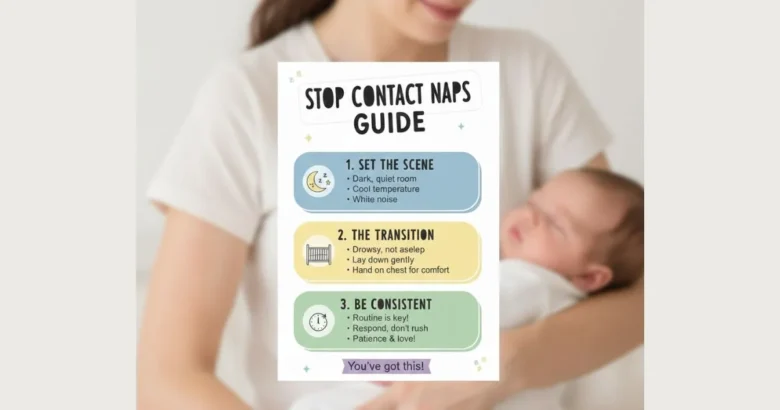
You can stop contact naps without stress or tears! While it’s natural for babies and toddlers to crave snuggles, holding them for every nap can make sleep harder for both of you. The key is using gentle, consistent strategies that teach your child to nap independently, feel safe in their crib, and still get the …
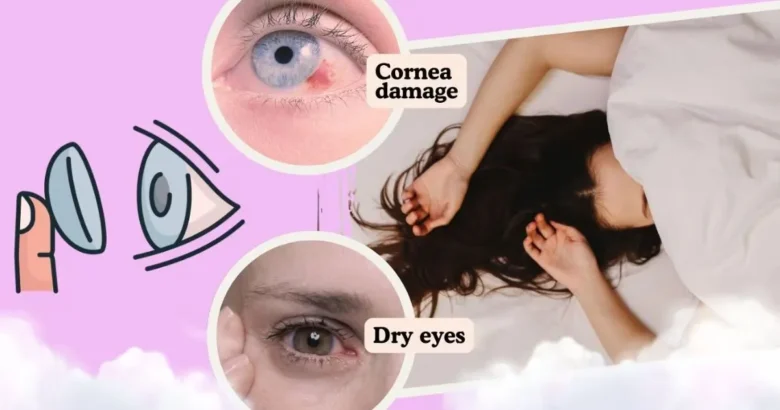
It’s possible, but it’s not safe. Even a short nap with contact lenses in can lower the oxygen your eyes need. When your eyes are closed, they already get less air. Add contacts on top, and your eyes can become dry, irritated, and more likely to develop an eye infection. Yes, even in just 20 …
It’s usually not a good idea. Even a short 10–20 minute nap can reduce oxygen to your eyes, causing dryness, redness, irritation, or blurry vision. Most contact lenses aren’t made for sleeping, and closing your eyes while wearing them increases the risk of eye infections and discomfort. If you nap often, removing your lenses first …
Yes, you can nap with contact, but only if it’s done safely. Many parents fall asleep during contact naps because they’re exhausted, not careless. While contact napping can calm babies and support bonding, it also comes with real risks if done on unsafe surfaces or positions. The key is knowing when it’s unsafe, how to …
Contact naps aren’t just cozy moments; they’re packed with real benefits for both babies and parents. When your baby sleeps on your chest or in your arms, it helps them feel safe, calm, and deeply connected to you. From better sleep and reduced crying to strong emotional bonding and healthy brain development, the benefits of …
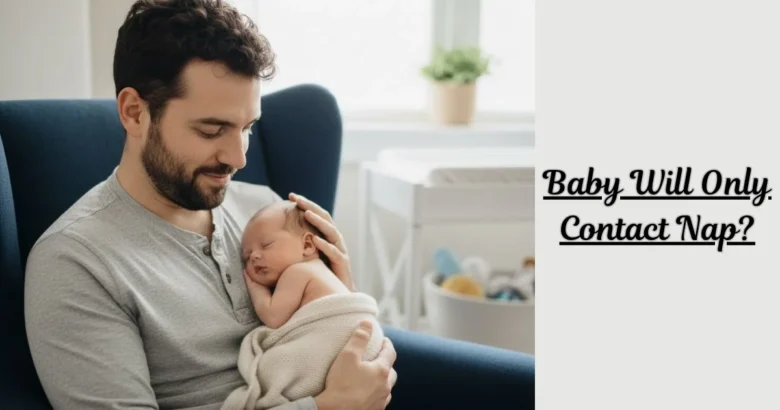
Is your baby refusing the crib and only happy snoozing on you? You’re not alone. Many parents face the “contact nap” phase, where their little one only sleeps while cuddled. It can be exhausting, frustrating, and sometimes even feel impossible. But understanding why your baby prefers contact naps, how it affects their sleep, and what …