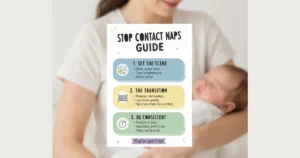
You’ve been there. After an hour of rocking, shushing, and swaying, your baby is finally asleep in your arms. You tiptoe to the crib, execute a flawless, ninja like transfer, and hold your breath. The second their back touches the mattress, their eyes ping wide open. It’s a frustrating cycle that leaves many exhausted parents asking the same question: do contact naps help babies sleep better?
If you’re wondering whether letting your baby nap on you is a sweet bonding moment or a “bad habit” in the making, you’re not alone. The internet is full of conflicting advice, but getting your baby the rest they need, and getting a moment for yourself, is what truly matters.
What Are Contact Naps?
So, what exactly are we talking about when we say “contact nap”? It sounds a bit formal, but it’s just the modern term for something parents have done forever: letting a baby sleep on them. It’s a simple, sweet, and sometimes tricky part of early parenthood.
Definition and Examples of Contact Naps
Simply put, a contact nap is any nap where your baby is sleeping while in direct physical contact with you or another caregiver. Think of those peaceful moments when your newborn is snoozing on your chest, or when your little one drifts off while nestled in a baby carrier as you walk around the house.
Other common examples include:
- Your baby falling asleep in your arms while you rock them.
- A toddler dozing off while cuddling with you on the couch (as long as you stay awake!).
The key ingredient is that physical connection. It’s that warmth and closeness that often makes these naps so appealing to babies.
How Contact Naps Differ from Co Sleeping and Independent Naps
It’s easy to get these terms mixed up, but they mean very different things. A contact nap is when your baby sleeps on you while you are awake and alert.
- Co sleeping (or bed sharing) is when you and your baby sleep in the same bed together. This practice comes with significant safety risks and is generally not recommended by pediatric experts.
- Independent naps are when your baby sleeps on their own in a safe sleep space, like a crib or bassinet, without being held.
The main difference is your level of awareness and the baby’s location. With contact naps, you are the safe space, but you must remain awake to ensure your baby’s safety.
Are Contact Naps Safe?
This is the big question that keeps many tired parents up at night (ironic, right?). You love the snuggles, but you also want to make sure your little bundle of joy is safe and sound. The short answer is yes, contact naps can be safe, but there is a very important “if” attached to that yes. It all comes down to how you do it.
Safety Guidelines for Contact Naps
The golden rule of safe contact napping is simple: you must be awake and alert.
Think of yourself as a human mattress. A mattress doesn’t move, shift, or roll over, and neither should you while your baby is sleeping on you. Doctors and sleep experts generally agree that as long as you are wide awake and monitoring your baby, letting them snooze on your chest is perfectly fine. It’s a wonderful way to bond and help them feel secure.
However, this isn’t the time to catch up on your own sleep. If you feel your eyelids getting heavy, it’s time to move the baby to a crib or bassinet.
Common Risks and How to Avoid Them
The biggest risk with contact naps is accidental co sleeping. We’ve all been there, exhausted to the bone. It is incredibly easy to drift off while holding a warm, rhythmic, sleeping baby. If you fall asleep, your muscles relax, and your baby could slip into an unsafe position, potentially blocking their airway or falling off your lap.
To avoid this, try these tips:
- Phone a friend: Ask your partner to check on you.
- Stay entertained: Read a book, scroll through your phone, or watch a show to keep your brain active.
- Avoid the “danger zones”: Don’t contact nap on a super plush sofa or armchair where you might sink in too deeply if you do nod off.
By staying vigilant, you can enjoy those precious cuddles without the worry.
Do Contact Naps Help Babies Sleep Better?
We’ve all been there: You put the baby down in the crib, and their eyes pop open like they’ve just had a double shot of espresso. But the moment you scoop them up? They are out like a light. It feels like magic, but does holding your baby actually help them sleep better or just longer? Let’s dig into why your chest seems to be the ultimate snooze button.
The Science Behind Contact Naps and Baby Sleep Cycles
Babies aren’t just trying to be clingy; they are biologically wired to crave closeness. When a baby sleeps on you, their body syncs up with yours. Your heartbeat, breathing rhythm, and body warmth act like a natural regulator for them.
This physical connection lowers their cortisol levels (that’s the stress hormone) and boosts oxytocin (the “love” hormone). Because they feel completely safe and secure, they can relax more quickly than they might in a lonely crib. It’s like sleeping with a weighted blanket versus sleeping on a cold sheet, one just feels cozier and safer, allowing your baby to transition between sleep cycles without waking up in a panic.
How Contact Naps Impact REM Sleep and Deep Sleep
Here is where it gets interesting. Newborns spend a lot of time in “active sleep” (REM sleep), where they twitch, grunt, and wake up easily. Contact naps can actually help bridge the gap between this light sleep and deeper, restorative sleep.
Because your presence is so soothing, if your baby stirs during a light sleep phase, feeling you right there often lulls them back under before they fully wake up. This means they often get longer stretches of quality rest on you than they would alone. So yes, those nap trapped hours aren’t wasted, they are helping your little one’s brain grow!
What Are the Benefits of Contact Naps?
Beyond just getting your baby to sleep, contact naps are packed with powerful benefits for both of you. These snuggly sessions are more than just a sweet moment; they’re a powerhouse of positive effects that support your baby’s growth and your own well being. It’s a win that goes far beyond a quiet house.
Emotional and Developmental Benefits for Babies
For a baby, the world is a big, new, and sometimes overwhelming place. Contact naps provide a deep sense of security. Feeling your heartbeat and warmth helps regulate their own physiological systems, from breathing to body temperature. This calms their nervous system and makes them feel safe.
This secure feeling is crucial for their emotional development. When babies feel consistently safe and cared for, they build a strong foundation of trust. This closeness also supports their brain development by providing sensory input, like your scent and the gentle rhythm of your breathing, that helps them make sense of the world around them.
How Contact Naps Promote Bonding and Reduce Stress for Parents
It’s not just about the baby! When you hold your sleeping child, your body releases oxytocin, often called the “love hormone.” This magical hormone enhances feelings of attachment and love, strengthening the parent child bond. It’s a quiet, profound way to connect on a deeper level.
Furthermore, these moments can be a major stress reliever for you. The world can feel chaotic with a new baby, but the simple act of holding them close can lower your blood pressure and reduce levels of the stress hormone cortisol. It’s a built in reset button, giving you a chance to pause, breathe, and soak in the sweetness of parenthood.
What Are the Drawbacks of Contact Naps?
While the snuggle factor is off the charts, let’s keep it real: contact napping isn’t all rainbows and butterflies. For many parents, what starts as a sweet bonding moment can quickly become a bit of a logistical headache. It’s important to look at the flip side so you can make the best choice for your family’s sanity.
Dependency on Contact Naps for Sleep
The biggest potential downside is exactly what you might fear: your baby might start thinking you are the only bed that exists. Babies are smart, and they love comfort. If they get used to sleeping only on a warm, breathing human, a flat, stationary crib mattress can seem like a pretty raw deal by comparison.
This “dependency” isn’t necessarily a bad thing developmentally, but it can be tough on you. If your baby only naps when attached to you, it means you can’t shower, eat, or even just sit comfortably without a little human sleeping on your chest. This creates the infamous “nap trap,” where your entire day revolves around being a human pillow.
Challenges with Transitioning to Independent Sleep
If your baby is used to 100% contact naps, moving them to a crib later on can feel like climbing Mount Everest. They haven’t had much practice self soothing or falling asleep without your heartbeat in their ear.
When you decide it’s time for them to nap solo, they might protest, loudly. Because they associate sleep entirely with being held, waking up alone in a crib can be startling for them. This transition often requires patience, consistency, and a fair bit of trial and error to help them learn that they are safe sleeping on their own, too.
How to Make Contact Naps Safer and More Effective
If you’ve decided to embrace the contact nap, the next step is to master it. Think of it as a skill. With a few smart strategies, you can make these sessions both safer for your baby and more manageable for you. It’s all about creating a secure, soothing environment that benefits everyone involved.
Tips for Staying Awake During Contact Naps
The number one rule of safe contact napping is staying awake. We know it’s tough when you’re sleep deprived, but it’s non negotiable.
Here’s how to keep your eyes open:
- Set up your station: Before you settle in, grab everything you need: your phone, a drink, a snack, and the TV remote.
- Keep your mind busy: Put on a podcast, binge watch a show you’ve been saving, or call a friend to chat. A stimulated brain is less likely to drift off.
- Avoid comfy traps: A plush, deep sofa might seem ideal, but it’s a recipe for accidentally dozing off. Opt for a firmer chair where you can sit upright comfortably.
Using White Noise, Swaddling, and Other Soothing Techniques
You can make contact naps even more effective by adding a few familiar sleep cues. This not only helps your baby relax but also starts building associations that will be useful when you eventually transition to the crib.
Consider adding these to your routine:
- White Noise: A sound machine creates a constant, womb like sound that helps block out household noises and signals to your baby’s brain that it’s time to sleep.
- Swaddling: For newborns who aren’t rolling yet, a snug swaddle can prevent their startle reflex from waking them up. It also mimics the cozy feeling of being held.
These tools help create a consistent sleep environment, making it easier for your baby to doze off, whether they’re in your arms or, eventually, on their own.
When Should You Stop Contact Napping?
There is no magical expiration date on cuddling your baby. If contact naps are working for you and your little one, you don’t have to stop just because your neighbor or mother in law says so. However, many parents reach a point where they need their arms back, or they notice their baby isn’t sleeping as well on them as they used to.
Signs Your Baby Is Ready to Transition to Independent Naps
Sometimes, your baby will actually tell you (without words, of course) that they are ready for a bit more space. Pay attention to their body language during nap time.
If you notice these clues, it might be time to try the crib:
- They seem uncomfortable: Is your baby squirming, kicking, or struggling to get cozy on your chest? They might simply need more room to stretch out.
- They wake up easily: If every breath you take or slight shift of your leg wakes them up, they might sleep deeper on a steady mattress.
- You are “touched out”: Your needs matter, too! If you are feeling overwhelmed or physically exhausted by the constant contact, that is a valid sign to start making a change.
Age Appropriate Milestones for Stopping Contact Naps
While every baby is unique, there are some general timelines that can help guide you.
- 0–3 Months (The Fourth Trimester): During this phase, contact naps are completely normal and often necessary for survival. Don’t stress about “habits” yet.
- 4–6 Months: This is a common sweet spot for transition. Babies’ sleep patterns mature around this time, making it a great opportunity to practice crib naps, starting with just one a day.
- 6+ Months: By this age, babies are more capable of self soothing. If they are still exclusively contact napping, it might be harder to break the habit, but it is definitely still possible with consistency.
How to Transition from Contact Naps to Independent Sleep
Ready to reclaim your arms? Transitioning your baby from contact naps to independent sleep doesn’t have to be a battle. The secret is to go slow, stay consistent, and give your little one (and yourself) plenty of grace. This isn’t about ending cuddles forever; it’s about adding a new skill to their sleep toolbox.
Step by Step Guide for Transitioning to Crib Naps
Think of this as a gentle process, not an overnight fix. A great place to start is with the first nap of the day, when babies are usually most willing to sleep.
- Start with a soothing routine: Before the nap, do a mini version of your bedtime routine, read a short book, sing a song, and turn on the white noise.
- Hold until drowsy: Rock or cuddle your baby until they are sleepy but still slightly awake.
- The gentle transfer: Place them in their crib, keeping a hand on their chest for a minute to reassure them.
- Stay and soothe: If they fuss, try patting or shushing them in the crib before picking them up.
If it doesn’t work, don’t stress! You can always “rescue” the nap with a contact nap and try again tomorrow.
Gradual Methods to Reduce Dependency on Contact Naps
If going straight to the crib feels too abrupt, you can take an even more gradual approach. Try holding your baby for the first 10-15 minutes of their nap until they are in a deep sleep, then gently transfer them to the crib. Over a few days, you can shorten the time you hold them before the transfer. This “fading” method helps them slowly get used to sleeping on a different surface without feeling abandoned. The goal is progress, not perfection.
FAQs
Can Contact Naps Cause Bad Sleep Habits?
This is a hot button topic, but the answer isn’t a simple yes or no. A “habit” is just a learned behavior. If a baby learns that sleep only happens in your arms, they will seek that out. So, yes, exclusive contact napping can create a strong sleep association that makes independent sleep more challenging down the road.
However, especially in the newborn phase, responding to your baby’s need for closeness isn’t creating a “bad” habit, it’s building trust and security. The key is balance. If you can, try to mix in some crib naps so your baby learns they can sleep safely in more than one place.
Do Babies Outgrow Contact Naps Naturally?
Many babies do! As they get older, bigger, and more mobile, they often start to prefer the freedom of a crib where they can stretch out and get comfortable. They might start wiggling or getting restless in your arms, signaling that they’re ready for a change.
However, some babies will happily continue contact napping for as long as you offer it. If you reach a point where you’re ready for the transition before they are, you’ll need to actively guide them toward independent sleep. There is no right or wrong timeline; it’s all about what works for your family.
Final Thoughts on Contact Naps
So, what’s the final verdict on contact naps? Are they a sweet necessity or a habit to be broken? The truth is, they can be both. Contact naps are a powerful tool in your parenting toolkit, offering incredible benefits for bonding and your baby’s sense of security, especially in those early months. There is no shame in soaking up those precious cuddles.
Balancing Contact Naps with Independent Sleep
The goal isn’t to choose one side and stick to it forever. Instead, think about finding a healthy balance that works for your family. Maybe you decide to do contact naps for the afternoon snooze but practice crib naps in the morning. Or perhaps you enjoy them for the first few months and then gradually transition.
There’s no one size fits all answer. A balanced approach allows you to enjoy the bonding benefits of contact naps while also giving your baby opportunities to build the skill of independent sleep. This flexibility will help you meet your baby’s needs while also preserving your own well being.
Trusting Your Instincts as a Parent
More than anything, remember that you are the expert on your baby. You know their cues, their cries, and their needs better than anyone. If contact naps feel right for both of you, embrace them. If you’re feeling touched out and ready for a change, that’s valid too.
Tune out the noise and pressure from the outside world and listen to your gut. Whether you choose to contact nap for a year or a week, making a loving and informed choice is all that matters. Trust yourself, you’ve got this.
.