Sending your little one off to preschool for the first time is a huge milestone. It’s exciting, a little nerve wracking, and comes with a lot of questions. Is my child ready? Do they know enough shapes and colors? Are they prepared to make new friends?
That’s exactly where a preschool screening checklist becomes your new best friend. Think of it as a friendly guide to your child’s big adventure into learning, not a scary test.
Instead of guessing, this developmental milestones checklist gives you a clear picture of what skills your child has mastered and where they might need a little extra practice. A solid preschool readiness checklist looks at the whole child, from fine motor skills like holding a crayon to social skills like sharing toys.
What is a Preschool Screening Checklist?
So, what exactly is this checklist we’re talking about? Think of it as a friendly guide, not a scary test. It’s a simple list of skills and behaviors that kids typically develop between the ages of 3 and 5. This tool helps you see what your child can do, from drawing shapes to sharing toys.
Definition and Purpose
A preschool screening checklist is designed to give you a snapshot of your child’s development. Its main purpose is to help you understand where your child is on their learning journey. It covers key areas like physical abilities, social skills, and how they communicate. The goal isn’t to label your child but to celebrate their strengths and identify any areas where they might need a little extra support before starting school.
Key Benefits for Parents and Educators
For parents, this checklist provides peace of mind and empowers you to be an active partner in your child’s education. It helps you ask the right questions when visiting potential preschools and gives you ideas for fun, skill-building activities at home.
For educators, it offers a quick way to understand the children entering their classroom. This insight allows them to tailor activities to meet each child’s needs from day one, ensuring a smooth and positive start for everyone.
Developmental Milestones to Look For
As your child gets ready for preschool, it’s helpful to know what developmental milestones to look for. This isn’t about checking boxes on a perfect report card; it’s about seeing how your child is growing and learning new things. Let’s break down a few key areas so you know what to expect.
Fine Motor Skills: What Should Your Child Be Able to Do?
Fine motor skills involve the small muscles in your child’s hands and fingers. These are the skills they’ll use for writing, drawing, and buttoning a coat. By preschool age, you might see them starting to hold a crayon or pencil correctly, cutting paper with safety scissors (even if it’s not a straight line!), and building towers with blocks. These little movements show they’re developing the coordination needed for classroom activities.
Social Emotional Development: Signs of Readiness
This is all about how your child interacts with others and manages their big feelings. Are they starting to play alongside other kids? Can they take turns, even if it takes a little reminding? Signs of social emotional readiness include showing interest in other children and expressing feelings with words instead of just actions. This emotional growth is a huge step toward making friends and navigating the social world of preschool.
Health and Safety Screening
Beyond counting and coloring, your child’s health and safety are top priorities for a successful start to preschool. A quick health check helps ensure they can fully participate in all the fun and learning. It’s all about making sure they can see the board, hear their teacher, and stay healthy in a classroom full of new friends.
Vision and Hearing: Why Early Detection is Crucial
Think about how much a child learns by watching and listening. If they have trouble seeing pictures in a book or hearing instructions during circle time, they might fall behind or get frustrated. An early vision and hearing screening can catch minor issues before they become major learning hurdles. It’s a simple step that makes a world of difference, ensuring your child doesn’t miss a single moment of their preschool experience.
Immunizations and Health Records: What You Need to Know
Preschools are bustling places, which means germs can spread easily. Keeping up with immunizations protects not only your child but also their classmates and teachers. Before school starts, make sure your child’s health records are up to date. Most schools require this information for enrollment, so having it ready will make the registration process much smoother and keep the classroom a healthier place for everyone.
How to Use a Preschool Screening Checklist
Now that you have your checklist, you might be wondering, “Where do I even start?” Don’t worry, you don’t need a clipboard and a whistle to do this right. Using a screening tool is meant to be a helpful peek into your child’s world, not a high stakes exam.
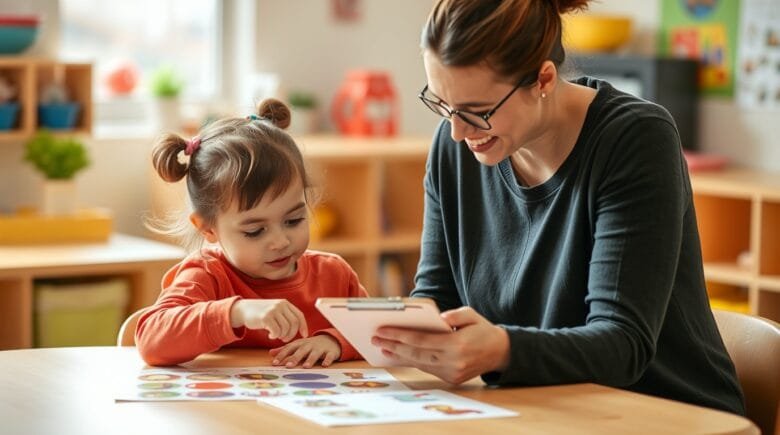
Step by Step Guide for Parents
Start by observing your child during their natural playtime. This is when they are most relaxed and truly themselves. Pick one area to focus on at a time, maybe today is all about how they hold a crayon or stack blocks.
- Keep it playful: Turn the “test” into a game. Ask them to draw a circle or hop on one foot just for fun.
- Be patient: Watch them over a few days. Kids have off days just like adults do.
- Take notes: Jot down what they do easily and where they might struggle a bit.
When to Seek Professional Help
It is completely normal for children to develop at different speeds. One child might be a chatterbox while another is a quiet observer. However, if you notice that your child is consistently missing milestones for their age group, or if your gut tells you something feels off, don’t hesitate to reach out.
Talk to your pediatrician or a local early childhood specialist. They can offer a more detailed evaluation. Remember, seeking help isn’t a sign of failure, it’s the best way to give your child the tools they need to shine.
FAQs
Is My Child Ready for Preschool?
This is the big one, isn’t it? Instead of just a simple yes or no, ask yourself more specific questions. Can my child follow simple, two step directions like “pick up your toy and put it in the box”? Are they showing interest in playing with other kids, even if they aren’t best friends yet? Can they handle being away from you for a short period? These questions focus on practical readiness skills that signal they’re prepared for a classroom setting.
What Should I Look for in a Preschool Program?
When you tour a preschool, it’s your chance to play detective. Ask about their approach to discipline and how they comfort a sad or upset child. Inquire about their daily routine, is there a good mix of active play, quiet time, and learning activities? A great question to ask is, “How do you communicate with parents about a child’s progress and daily experiences?” The answers will give you a real sense of the school’s philosophy and whether it’s the right fit for your family.
Choosing the Right Preschool Program
Picking a preschool feels a bit like choosing a new home for your child’s daytime hours. You want it to be safe, fun, and full of learning. But with so many options, how do you know which one is the perfect fit? It’s not just about the cutest playground; it’s about the feeling you get when you walk through the door.
Key Indicators of a Quality Preschool
When you visit a potential school, look at the people first. Are the teachers getting down on the floor to talk to the kids at eye level? That’s a great sign! A high quality program will have happy, engaged children and teachers who seem genuinely excited to be there. Ask about their daily schedule, kids need a good mix of active play, storytime, and rest. Also, check the class size. Smaller groups mean your child gets more attention and support, which is huge for building confidence.
Eco Healthy and Safe Environments: What to Check
Safety goes beyond locked doors. Take a deep breath, literally! Does the air smell fresh, or like strong chemicals? A healthy classroom uses safe, non toxic cleaning products. Look around at the building itself. If it’s an older building, ask about lead testing for water and paint. Check the outdoor play area, too. It should be fenced in, well maintained, and away from busy traffic fumes. These little details add up to a safer, healthier space for your little one to grow.
Beyond the Basics: What Competitors Missed
Many checklists cover the basics like colors and shapes, but a child’s readiness for preschool goes much deeper. Some of the most important skills for success aren’t academic at all. Let’s explore a few key areas that often get overlooked but make a huge difference in your child’s transition to school.
The Role of Play in Preschool Readiness
Play isn’t just for fun, it’s how kids learn to be human. When children engage in imaginative play, they’re practicing problem-solving, learning to negotiate with others (“Okay, you be the doctor this time!”), and developing creativity. This is where they learn to take turns and understand different perspectives. A child who knows how to play is a child who is ready to learn, share, and make friends. So, encourage those dress-up sessions and epic block-building adventures!
How to Foster Independence in Your Preschooler
Preschool is a big step toward independence, and you can help your child prepare for it at home. Simple tasks like putting on their own coat, zipping up their backpack, or pouring their own cereal build incredible confidence. When a child can say, “I did it myself,” they feel capable and proud. This self-reliance helps them navigate the classroom without needing constant help, freeing them up to focus on learning and having fun. Start with small, manageable tasks and watch their confidence soar.
Conclusion
Navigating the path to preschool can feel like a big undertaking, but it doesn’t have to be overwhelming. You’ve already taken a huge step by learning what to look for on your child’s journey. Remember, this process isn’t about achieving perfection; it’s about understanding and supporting your little one as they grow.