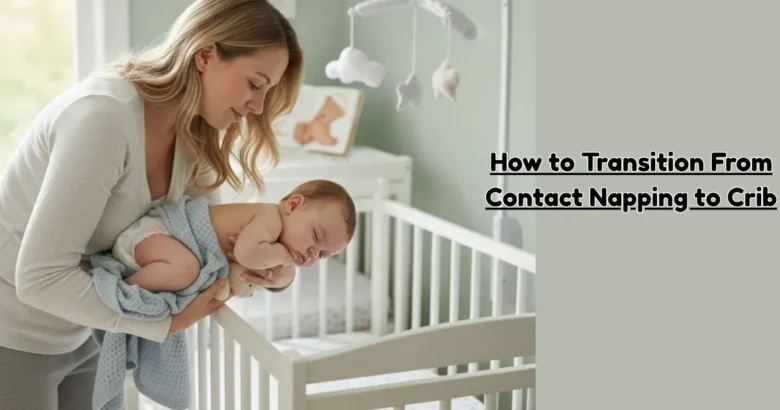
To transition from contact napping to the crib, start slow and keep it gentle. First, create a simple nap routine (feed, cuddle, sleep) so your baby knows what to expect. Once your baby is calm and drowsy but not fully asleep, place them in the crib. This helps them learn to fall asleep independently.
Begin with one nap a day in the crib, not all naps at once. If your baby fusses, comfort them with a soft voice or gentle pat instead of picking them up right away. Make the crib feel safe by keeping the room quiet, dim, and cool. With patience and consistency, most babies adjust in 1 to 2 weeks and start napping peacefully in the crib.
Preparing for the Transition
Deciding to move from contact naps to the crib can feel like a big step. But how do you know when the time is right? Timing is everything, and looking for a few key signals from your baby can make the process much smoother for everyone involved. Let’s look at the signs that your little one might be ready for more independence.
What Are the Signs Your Baby is Ready?
Your baby has their own way of telling you they’re ready for a change. You might notice they are more alert and squirmy when you try to cuddle them for a nap. Or maybe those once-long contact naps are getting shorter, and they wake up as soon as you settle on the couch.
Another big sign is when your baby starts showing more interest in their surroundings than in snuggling. If they’d rather try to grab your nose than close their eyes, they might be telling you they need a little more space to wind down. These cues are their gentle way of saying, “I might be ready for my own bed.”
How to Know If Your Baby is Struggling with Sleep Associations
A sleep association is just a fancy term for a habit your baby connects with falling asleep, like being rocked or held. While these are perfectly fine, they can sometimes become a challenge.
If your baby only falls asleep while being held and wakes up the second you try to put them down, that’s a strong sign of a sleep association. You might also find yourself in a loop of rocking or bouncing just to get a short nap in. Recognizing these patterns is the first step toward gently introducing new, more independent sleep habits.
The Transition Process
Alright, you’ve spotted the signs, and you’re ready to make your move. But how do you actually get your baby from your arms to the crib without causing a total meltdown? The key is to take it slow and steady. Think of this as a gentle nudge, not a giant leap.
How to Transition from Contact Napping to Crib (Without Tears)
Start small. You don’t need to switch every single nap to the crib right away. Pick just one nap a day to practice. Usually, the first morning nap is the easiest because sleep pressure is high.
Try putting your baby down in the crib while they are drowsy but still awake. Stay close by, maybe resting a hand on their chest or shushing softly so they know you haven’t vanished. If they get upset, it’s okay to pick them up, calm them down, and try again. The goal is to help them feel safe in their own space, not to leave them crying.
The Importance of a Consistent Nap Routine
Babies love knowing what comes next. A simple, predictable routine acts like a sleep signal for their brain. It doesn’t have to be long or complicated. Maybe it’s a diaper change, a quick snuggle, and a specific song you hum. Doing the exact same things in the same order before every nap helps your baby understand that it’s time to rest, making the transition to the crib much less surprising.
Tools and Products to Support the Transition
You don’t need a lot of gear, but a few tools can be game-changers. A comfortable sleep sack is fantastic because it keeps them warm and cozy, mimicking the feeling of being held. A white noise machine can also help by drowning out household sounds that might startle them awake. These little comforts make the crib feel like a much more inviting place to snooze.
Overcoming Challenges
Even with the best plan in place, babies often have plans of their own. It’s completely normal to hit a few bumps in the road when you’re teaching your little one to sleep independently. Don’t panic, these challenges are just temporary hurdles, not stop signs.
What If My Baby Refuses the Crib?
First, take a deep breath. If your baby cries the moment they touch the mattress, it doesn’t mean you’ve failed. It just means they really love your snuggles! If they flat-out refuse the crib, try not to force it immediately. Instead, spend some happy, awake time in the crib during the day.
Let them play with a safe toy while you supervise, or play peek-a-boo through the slats. This helps build positive associations, so the crib becomes a familiar, fun place rather than a scary sleep zone. If a nap just isn’t happening, it’s okay to save the nap with a contact snooze and try again later. Consistency matters more than perfection.
How to Handle Sleep Regressions During the Transition
Just when you think you’ve cracked the code, your baby might suddenly decide sleep is for the weak. Sleep regressions often pop up around developmental milestones, like learning to roll or crawl.
When this happens, stick to your routine as much as possible, but offer extra comfort. It’s okay to pause the transition for a few days if your baby is teething or sick. Once the storm passes, you can gently steer back toward the crib. Remember, progress isn’t always a straight line, and a few days of extra cuddles won’t undo all your hard work.
FAQs
Is It Okay to Continue Some Contact Naps?
Absolutely! This isn’t an all-or-nothing situation. Moving toward independent sleep doesn’t mean you have to give up your favorite cuddle time completely. Many parents find success by aiming for most naps in the crib but still enjoying a contact nap when they or their baby needs that extra closeness. It’s all about finding a balance that works for your family. If your baby is sick, teething, or you just miss the snuggles, a contact nap can be the perfect solution.
How Do I Transition an Older Baby?
Transitioning a baby who is older than six months can feel a bit different, as they are more aware of their routines and preferences. The good news is that they are also better at learning new skills. With an older baby, consistency is your best friend. Stick firmly to your pre-nap routine, so they know exactly what to expect. You may face a little more protest at first, but older babies often adapt more quickly once they understand the new normal. Stay patient, offer lots of reassurance, and celebrate their progress, no matter how small it seems.
Conclusion
The road from contact napping to crib sleeping is paved with patience, love, and a whole lot of trial and error. Remember, this transition is a significant milestone for both you and your baby. You’re teaching them a valuable new skill, and that takes time. Be kind to yourself through the process and know that you are doing an amazing job.
Celebrate Every Small Victory
Some days, success will look like a full two-hour nap in the crib. Other days, it might just be five minutes of peaceful rest before they need your comfort again. Celebrate it all. Every single minute they spend in their own space is a step in the right direction. These small wins build up over time and lead to lasting change. So, give yourself a pat on the back for that short crib nap, it’s a bigger deal than you think!
Your Baby, Your Journey
Ultimately, there is no right or wrong way to navigate this journey. The goal is to find a sleep solution that brings peace and rest to your entire household. Trust your instincts, follow your baby’s cues, and don’t be afraid to adjust your approach as you go. Whether it takes a week or a few months, you and your little one will find your rhythm. Enjoy the snuggles when you have them and look forward to the independence that lies ahead. You’ve got this.