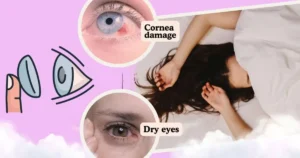
It’s usually not a good idea. Even a short 10–20 minute nap can reduce oxygen to your eyes, causing dryness, redness, irritation, or blurry vision. Most contact lenses aren’t made for sleeping, and closing your eyes while wearing them increases the risk of eye infections and discomfort. If you nap often, removing your lenses first is the safest choice to keep your eyes healthy and comfortable.
The Risks of Napping with Contact Lenses
So, what’s the big deal with a quick nap, anyway? It might seem harmless, but when you nap with contact lenses, your eyes face some sneaky challenges. Let’s pull back the curtain on the real contact lens risks involved.
How Napping Affects Your Eyes
Think of your cornea, the clear outer layer of your eye, as needing to breathe. When you’re awake, it gets plenty of oxygen from the air. But when you close your eyes for a nap, you reduce that supply. Adding a contact lens to the mix is like putting another barrier over your eye, making it even harder for oxygen to get through. This is why you often wake up with that dry, gritty feeling. Even a short period of sleeping in contact lenses can stress your eyes out more than you’d think.
The Hidden Dangers: Bacterial Keratitis, Fungal Infections, and More
Beyond just discomfort, napping in your lenses creates a perfect breeding ground for germs. The warm, moist space between your lens and your eye is a paradise for bacteria. This can lead to nasty eye infections like bacterial keratitis or even painful corneal ulcers. While these sound scary, they are serious conditions that can cause lasting damage if not treated quickly.
Why Oxygen Matters for Your Cornea
Oxygen is the key to a healthy cornea. When your eye suffers from oxygen deprivation, its natural defence system weakens. This makes it much easier for an infection to take hold and harder for your eye to heal itself from tiny scratches or irritation. Keeping your cornea well-oxygenated is your best defence against the potential problems that come with wearing contacts.
Can You Nap with Contact Lenses?
Alright, let’s get straight to the point. You’re tired, the couch is calling, and you just want to know: Is it okay to nap with contact lenses in? We hear you, and it’s time for a clear answer.
Yes or No?
Drumroll, please… The short and safe answer is no. For most types of contact lenses, taking a nap, even a quick one, is a bad idea. The potential contact lens risks we’ve talked about, like infections and lack of oxygen, don’t just disappear because it’s a short snooze instead of a full night’s sleep. When it comes to the question, “Is it safe to sleep in contacts?”, erring on the side of caution is always your best bet.
Exceptions: When It’s Safe to Nap with Contacts (FDA-Approved Lenses)
Now for the plot twist! There are special types of lenses designed for sleeping in contacts. These are often called “extended wear” lenses and are made from super-breathable materials that allow much more oxygen to reach your cornea.
These FDA-approved lenses are specifically designed for continuous wear, sometimes for up to 30 days straight. However, they aren’t for everyone. You absolutely must get the green light from your eye doctor before you start using them. They’ll make sure your eyes are healthy enough for overnight wear and will tell you exactly how long you can safely keep them in. Without their approval, stick to the “no napping” rule.
What to Do If You Fall Asleep with Contacts
Oops! You didn’t mean to, but you woke up from a nap, and your eyes feel like the Sahara Desert. It happens to the best of us. If you accidentally nap with contact lenses in, don’t panic. While sleeping in contacts isn’t great for your eyes, knowing what to do after sleeping in contacts can help minimise the damage.
Immediate Steps to Protect Your Eyes
First things first: resist the urge to immediately yank those lenses out. Your contacts are likely dried out and stuck to your eye, and pulling them too fast can cause tiny scratches. Instead, follow these simple steps:
- Blink It Out: Blink a few times to get some natural tears flowing.
- Add Moisture: Use plenty of rewetting drops or sterile saline solution. Wait a few minutes for the lens to soften up.
- Gentle Removal: Once the lens feels loose and moves easily, carefully take it out.
- Glasses Time: Give your eyes a break! Switch to your glasses for the rest of the day (or even the next day) to let your eyes breathe and recover from the contact lens risks they just faced.
When to Seek Medical Attention
Most of the time, your eyes will feel better after some rest and hydration. However, you need to watch out for signs of eye infections. If you experience severe redness, pain that doesn’t go away, extreme sensitivity to light, or blurry vision that won’t clear up, call your eye doctor right away. These could be warning signs of something more serious, and catching it early is key to keeping your vision safe.
Best Practices for Contact Lens Wearers
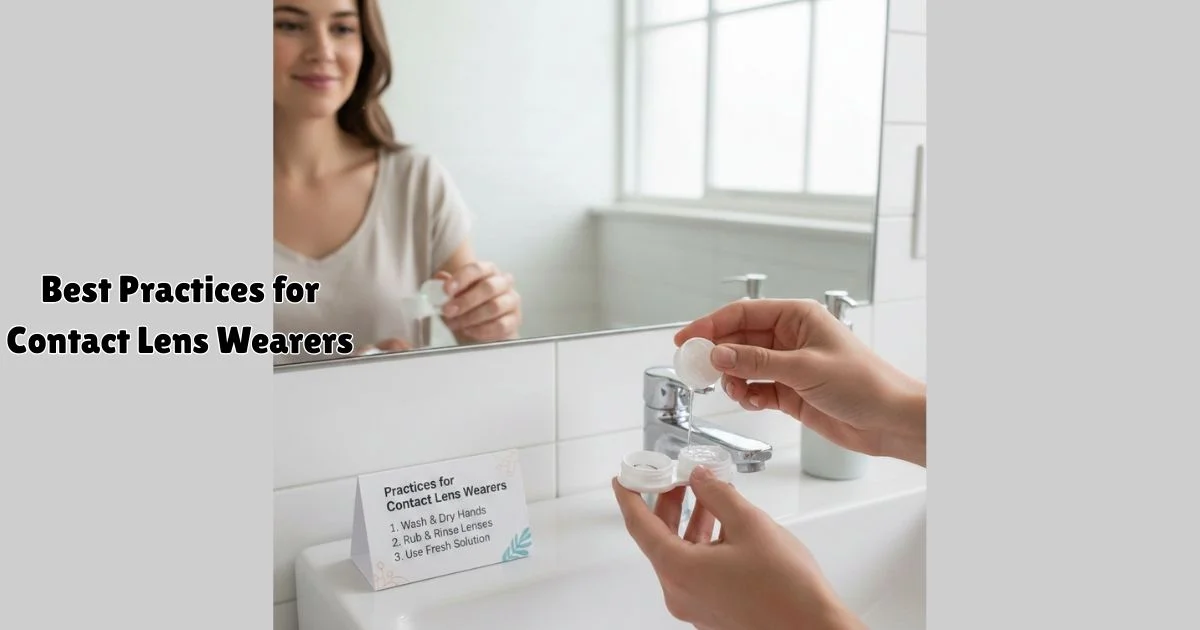
Knowing how to handle your lenses is the best way to keep your eyes happy and avoid unnecessary contact lens risks. Think of it as a daily routine for healthy eyes. Good contact lens hygiene is simple, quick, and makes all the difference.
Daily Hygiene Habits for Healthy Eyes
Great vision starts with clean hands! Before you touch your contacts, always wash your hands with soap and water and dry them with a lint-free towel. When you’re ready to take your lenses out for the night, you need to know how to clean contact lenses properly. Gently rub each lens with a few drops of disinfecting solution to remove any buildup, then rinse and store them in a case filled with fresh solution. Never just top off the old stuff!
The Importance of Replacing Your Contact Lens Case
Your contact lens case can get grimy over time, becoming a hotspot for bacteria. Even with regular cleaning, tiny germs can build up in the corners and threads of the case. To keep things fresh and safe, you should replace your case at least every three months. It’s a small, cheap step that dramatically reduces your risk of infection.
Why You Should Never Use Tap Water on Lenses
It might seem harmless, but tap water is a huge no-no for contact lenses. Water from the faucet contains microorganisms that can cause serious, vision-threatening infections. These tiny invaders can latch onto your lenses and transfer to your eye. Always use the sterile cleaning and storing solutions recommended by your eye doctor. It’s the only way to ensure your lenses are truly clean and safe to wear.
Alternatives to Napping with Contacts
If you’re a frequent napper, you might be wondering if there are better options out there. The good news is, yes! Choosing the right type of lens can make your life easier and safer. Let’s look at a couple of popular alternatives to napping with contacts that can help you reduce your contact lens risks.
Why Daily Disposable Lenses Might Be a Better Option
Imagine starting every day with a fresh, clean pair of lenses. That’s the beauty of daily disposable lenses! Since you toss them out every night, there’s no need for cleaning or storing, which significantly lowers your chance of infection. For nappers, they offer great flexibility. You can take them out before a snooze, and if you forget, you’re not reusing a lens that’s been sitting on a sleepy eye. It’s a simple way to keep your eyes feeling fresh and healthy.
Extended Wear Lenses: Are They Worth It?
We touched on these before, but are extended wear lenses right for you? These lenses are made from advanced materials that let lots of oxygen through, making them FDA-approved for continuous wear, even while sleeping. For people with busy schedules or who are prone to dozing off, they can be a game-changer. However, they aren’t a free pass. They still carry a higher risk of infection than daily lenses and require a thumbs-up from your eye doctor, who will determine if your eyes can handle them.
FAQs
What Are the Long-Term Effects of Sleeping in Contacts?
Regularly sleeping in contact lenses isn’t just about waking up with dry eyes; it can lead to more lasting problems. Over time, this habit significantly increases your contact lens risks. It can cause chronic inflammation, the growth of new blood vessels into your cornea (which can cloud your vision), and repeated eye infections. Each infection can leave behind scar tissue, and in severe cases, this scarring can permanently affect your sight. Think of it this way: each nap is a small gamble, but over time, the odds stack against you.
How Can I Tell If My Eyes Are Damaged After Sleeping in Contacts?
If you’ve had a one-time nap incident, your eyes will probably just feel irritated for a bit. But if you’re worried about damaged eyes from contacts, there are a few red flags to watch for. Telltale signs include persistent pain or a feeling that something is stuck in your eye, ongoing redness that won’t go away, blurry vision that doesn’t clear up after blinking, or increased sensitivity to light. If any of these symptoms stick around for more than a few hours, it’s a clear signal to call your eye doctor and get things checked out.
Beyond the Basics: Advanced Eye Care Tips
Great contact lens safety goes beyond just cleaning your lenses. Taking your eye care to the next level means making smart choices that support long-term eye health. Here are a few expert tips to keep your vision in top shape.
How to Choose the Right Contact Lenses for Your Lifestyle
Not all contacts are created equal. Choosing the right contact lenses depends on your daily routine. Are you an athlete? Do you work long hours on a computer? Are you a frequent napper? Be open with your eye doctor about your habits. They can recommend lenses that fit your life, whether that means daily disposables for convenience, toric lenses for astigmatism, or high-oxygen lenses for extra comfort. The perfect match can make a world of difference.
The Role of Nutrition in Eye Health
You are what you eat, and that includes your eyes! Foods rich in vitamins C and E, zinc, and omega-3 fatty acids can help protect your eyes from age-related issues. Think leafy greens like spinach, oily fish like salmon, and citrus fruits. A balanced diet won’t stop you from needing glasses, but it’s a delicious way to support your overall eye health from the inside out.
The Importance of Regular Eye Exams
Think of your optometrist as your partner in eye health. Regular eye exams are crucial because they do more than just update your prescription. They allow your doctor to spot potential problems like infections or the early signs of eye disease before you even notice symptoms. Sticking to a yearly check-up schedule ensures your eyes are healthy enough for contacts and that you’re using the best and safest options available.
Conclusion
We’ve covered a lot of ground today! From the hidden dangers of a quick nap to the best daily habits for keeping your peepers sparkling, you’re now armed with the knowledge to make smarter choices. While it might be tempting to just drift off on the sofa, prioritising contact lens safety is the best gift you can give your future self. After all, you only get one pair of eyes, so treat them like the VIPs they are!
Key Takeaways for Safe Contact Lens Use
Let’s quickly recap the golden rules to keep your vision clear and your eyes happy:
- Skip the Snooze: Unless your doctor specifically says otherwise, always take your lenses out before sleeping. It’s the single best way to avoid infections.
- Keep it Clean: Wash your hands, use a fresh solution every time, and swap out that lens case every three months. Good hygiene is your first line of defence.
- Listen to Your Eyes: If something feels off, whether it’s dryness, redness, or pain, don’t power through it. Take the lenses out and let your eyes breathe.
- Know Your Options: Talk to your doctor about daily disposables or extended wear lenses if your current routine isn’t working for you.
Call-to-Action: Schedule Your Next Eye Exam Today
Information is power, but professional advice is irreplaceable. If it’s been a while since your last check-up, or if you have questions about eye health and safe contact lens use, don’t wait. Schedule your next eye exam today! Your optometrist is the best person to ensure your lenses fit perfectly and your eyes stay healthy for years to come. Go ahead, make that appointment, your eyes will thank you!