It’s possible, but it’s not safe.
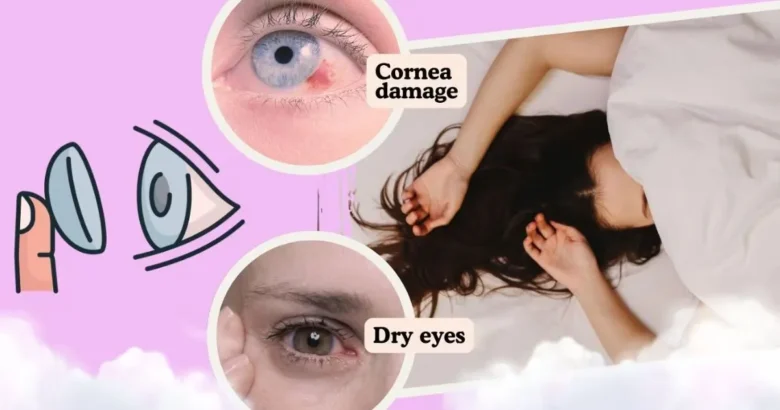
Even a short nap with contact lenses in can lower the oxygen your eyes need. When your eyes are closed, they already get less air. Add contacts on top, and your eyes can become dry, irritated, and more likely to develop an eye infection. Yes, even in just 20 minutes. Many people think, “It’s only a power nap. What could go wrong?” But sleeping in contacts, even briefly, can lead to redness, blurry vision, discomfort, or that annoying scratchy feeling later. In some cases, it can increase the risk of serious corneal infections. If you’re about to nap, take 30 seconds to remove your lenses. It’s a tiny step that protects your vision and keeps your eyes healthy.
The Science Behind Contact Lens Risks
Ever wondered what’s actually happening to your eyes when you nap with contacts in? It’s not just about waking up with dry, sticky eyes; there’s some real science behind the contact lens risks. Think of your eye as needing to breathe. When you close your eyes, the oxygen supply from the air is already reduced. Adding a contact lens into the mix is like putting a plastic barrier over your eye, making it even harder for it to get the air it needs.
How Contact Lenses Affect Oxygen Flow
Your cornea, the clear front part of your eye, gets its oxygen directly from the air. When you’re awake, this works great. But sleeping in contact lenses significantly cuts down on this essential oxygen flow. This condition, known as oxygen deprivation, can make your cornea weak and more vulnerable to problems. It’s a major reason why even a short nap with contacts can lead to discomfort and potential damage.
The Role of Bacteria and Debris
Throughout the day, your contact lenses can collect tiny bits of dirt, dust, and bacteria. Normally, blinking helps wash these away. But when you’re asleep, this cleaning process stops. The lens traps these unwelcome guests against your eye, creating a perfect warm, moist home for bacteria to multiply. This dramatically increases your risk of developing a nasty infection like bacterial keratitis.
Why Napping with Contacts Increases Risks
Combining reduced oxygen with a buildup of bacteria is a recipe for trouble. Even a brief nap creates these risky conditions, leading to issues ranging from dry eyes from contacts to more serious infections. Understanding this science helps show why avoiding sleeping in contact lenses is one of the most important rules of eye care.
What Are the Hidden Dangers of Napping with Contacts?
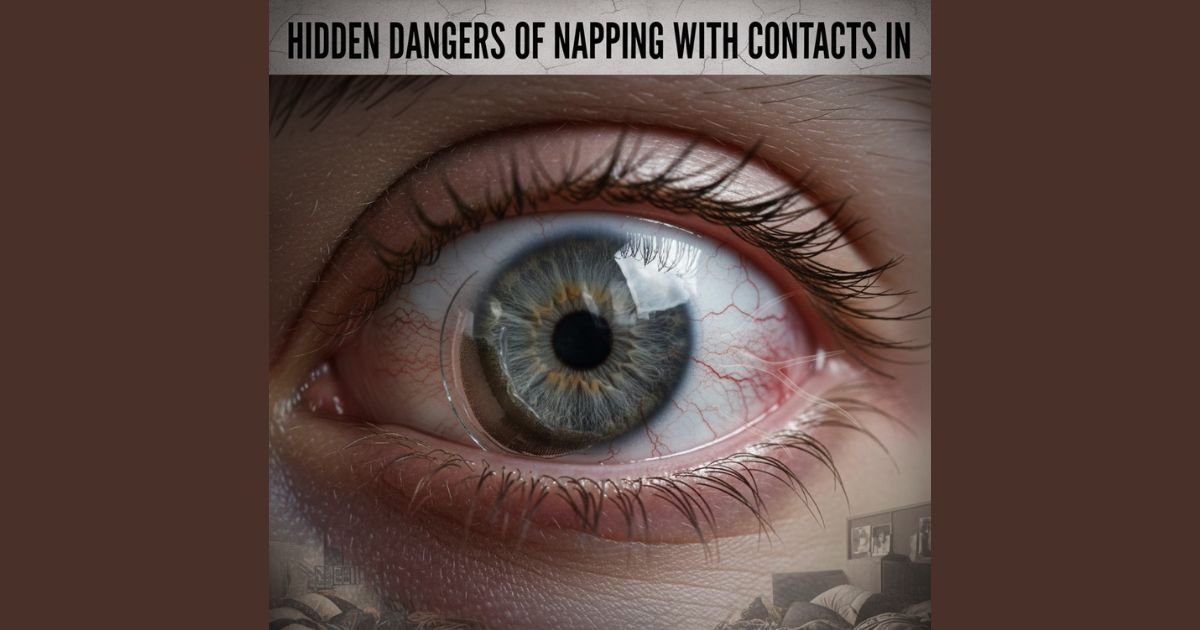
You might think the worst thing that happens after a quick snooze is a bit of blurriness. However, there are silent threats lurking beneath your eyelids when you nap with contacts. These hidden dangers go beyond simple discomfort and can pose serious threats to your vision if you make it a habit.
How Napping Affects Eye Health
When you are awake, you blink thousands of times a day. This acts like a windshield wiper, cleaning your lenses and keeping them moist. When you fall asleep, those wipers stop. The contact lens dries out and tightens around your eye like a suction cup. This leads to dry eyes from contacts, making them difficult to remove and leaving your eyes red and irritated long after you wake up.
The Risk of Corneal Ulcers
Here is the scary part that most people don’t talk about. Sleeping in contact lenses dramatically increases your chance of developing a corneal ulcer. Think of this as an open sore on the clear front surface of your eye. It sounds painful because it is! These sores are not just uncomfortable; they can cause scarring that permanently affects your sight. It is one of the most severe consequences of ignoring good lens habits.
Why Bacteria Love Sleeping Contacts
Your closed eye creates a warm, dark, and moist environment, essentially a tropical paradise for germs. Because the lens traps debris against the eye, contact lens risks skyrocket during sleep. This “germ party” can lead to bacterial keratitis, a serious infection that spreads quickly. By keeping your eyes open or removing your lenses, you deny these bacteria the perfect home they need to grow.
How to Safely Remove Contacts After a Nap
So, you did it. You took a quick nap with your contacts in, and now you’ve woken up to that dry, stuck-on feeling. Don’t panic! While it’s one of the common contact lens risks, knowing how to remove dry contact lenses safely can prevent further irritation. The key is to be patient and avoid yanking them out, which could scratch your eye.
Rehydrate Before You Remove
First things first: add moisture back into your eyes. Your lenses are likely stuck because of dry eyes from contacts during sleep. Use sterile saline solution or FDA-approved rewetting drops specifically made for contact lenses. Apply a few drops into each eye and blink several times. Wait a few minutes to give the liquid time to get under the lens and loosen it. You should feel the lens start to move more freely.
Be Gentle with Your Eyes
Once your lenses feel lubricated, it’s time to gently remove them. Wash your hands thoroughly, then use your usual method to carefully pinch the lens out. If it still feels stuck, add more rewetting drops and wait a little longer. Never use your fingernails or force the lens out. After removal, give your eyes a break. Wear your glasses for the rest of the day to allow your corneas to recover and rehydrate.
When to Seek Professional Help
If you’ve tried rewetting your eyes and the lens still won’t budge, or if you experience significant pain, redness, or blurry vision after removal, it’s time to call your eye doctor. These could be signs of a more serious problem. Don’t hesitate to seek professional help to avoid lasting damage from sleeping in contact lenses.
Are There Any Safe Options for Sleeping with Contacts?
We know the temptation is real. You’re exhausted, and the idea of peeling your lenses off feels like a huge chore. You might be wondering if there is a magic solution that makes sleeping in contacts totally safe. While no option is risk-free, there are some specific choices designed to be safer than others.
FDA-Approved Extended-Wear Lenses
Believe it or not, some contact lenses are actually built for sleep! These are called extended-wear lenses, and they are approved by the FDA for overnight wear. Unlike standard soft lenses, these are made from special materials that let a lot more oxygen pass through to your eye. This helps reduce the chance of suffocation for your cornea. However, even with these high-tech lenses, contact lens risks like infections are still higher compared to taking them out every night. It’s not a free pass to ignore hygiene!
Why Daily Disposables Are a Better Choice
If you want the cleanest, freshest option, daily disposable lenses are a fantastic choice. While you usually shouldn’t sleep in these, they are great for eye health because you throw them away at the end of the day. This means you don’t have to worry about cleaning solutions or protein buildup. If you accidentally nap with contacts in, wearing a fresh daily lens the next morning ensures you aren’t putting a dirty lens back into a sensitive eye.
The Role of Eye Care Professionals
Here is the most important rule: never decide to sleep in your contacts without asking your eye doctor first. Only an eye care professional can tell if your eyes are healthy enough for overnight wear. They can prescribe the right brand and fit to keep your eyes safe. Trying to do this on your own is a recipe for trouble, so make that appointment before you snooze!
How to Build Healthy Contact Lens Habits
Building healthy habits isn’t just about eating veggies or hitting the gym; it’s about keeping your eyes happy, too! Think of contact lens safety as a superpower that protects your vision for the long haul. By sticking to a few simple rules, you can enjoy clear sight without the worry of irritation or infection.
Create a Consistent Cleaning Routine
Imagine wearing the same pair of socks for a week without washing them. Yuck, right? Your contacts are no different! Developing a solid cleaning routine is the best way to keep germs at bay. Wash your hands thoroughly before touching your eyes, and use a fresh solution every single time you store your lenses. Knowing how to clean contact lenses properly by gently rubbing them in your palm with solution removes protein buildup and debris. These simple contact lens hygiene tips take only a minute but save you from days of discomfort.
Know When to Replace Your Lenses
We all have that favorite t-shirt we wear until it falls apart, but you definitely shouldn’t do that with contacts. Whether you wear dailies, bi-weeklies, or monthlies, they have an expiration date for a reason. Over time, lenses can warp or collect deposits that your solution can’t clean off. Knowing exactly when to replace contact lenses ensures your eyes always have a fresh, breathable surface to rest on. Set a reminder on your phone so you never forget to make the switch!
The Importance of Regular Eye Exams
Even if your vision feels perfect, visiting your eye doctor is a must. They can spot tiny issues before they turn into big problems. Regular check-ups ensure your prescription is up-to-date and your eyes are healthy enough for contact lens wear. It’s the ultimate step in protecting your precious sight.
What Should You Do If You Experience Eye Discomfort?
Your eyes are great at letting you know when something is wrong. A little itchiness now and then might be normal, but persistent eye discomfort is a clear signal to pay attention. Ignoring the signs of contact lens irritation can turn a small issue into a major problem, so learning how to respond is key to protecting your vision.
Recognizing the Warning Signs
Think of these symptoms as your eyes waving a red flag. If you notice any of the following, your body is telling you to take action:
- Persistent redness and pain
- A scratchy or gritty feeling, like sand is in your eye.
- Blurry vision that doesn’t clear up with blinking
- Unusual discharge or excessive watering
- Increased sensitivity to light
These are not things to “tough out.” They are direct signs that your corneas are stressed or that an infection might be starting.
Immediate Steps to Relieve Discomfort
The moment you feel discomfort, your first move should be to take your contact lenses out. Give your eyes a rest and switch to your glasses. This simple step often provides immediate relief by allowing your eyes to breathe and rehydrate naturally. You can also use preservative-free lubricating drops to soothe irritation. Avoid rubbing your eyes, as this can make things worse.
When to Call Your Eye Doctor
If you’ve removed your lenses and the discomfort, redness, or blurry vision continues for more than a few hours, it’s time to make a call. You should know when to see an eye doctor immediately if you experience severe pain or a sudden change in vision. Don’t wait and hope it gets better. A professional can diagnose the problem and provide the right treatment to prevent long-term damage.
Alternatives to Napping with Contacts
So, we’ve established that taking a nap with contacts is a big no-no. But what can you do when your eyes feel tired, and you’re desperate for a break? The good news is that there are several fantastic alternatives to sleeping in contact lenses that keep your eyes safe and comfortable without sacrificing that much-needed rest.
Switch to Glasses for Rest Days
Think of your glasses as your eyes’ best friend. They’re always there to step in when your contacts need a break. If you know you’re feeling sleepy or planning a nap, simply swapping your contacts for glasses is the easiest and safest solution. It completely removes the risk of infection or irritation and gives your corneas a chance to breathe freely. Keep a pair handy at your desk or by your bed so you can make the switch in a snap.
Use Rewetting Drops for Quick Relief
Sometimes, your eyes just feel dry and tired, which can make you want to close them. Before you do, try using rewetting drops specifically designed for contact lens wearers. A few drops can instantly refresh your eyes, wash away debris, and make your lenses feel comfortable again. This quick fix can often relieve the discomfort that makes you want to nap in the first place, helping you power through the rest of your day.
Consider Daily Disposable Lenses
If you frequently find yourself in situations where you might accidentally nap, daily disposable lenses could be a game-changer. While you still shouldn’t sleep in them, using a fresh pair every day eliminates the hassle of cleaning and reduces the risk of buildup. If you do happen to doze off, you can simply discard the lenses afterward and start with a sterile, new pair, ensuring your eyes stay healthier.
FAQs
Can I Nap with Contacts for 10–20 Minutes?
This is probably the most popular question we hear! Ideally, the answer is no. Even a short power nap reduces the oxygen your eyes get and stops the blinking that cleans your lenses. While a 10-minute snooze isn’t as risky as sleeping all night, it still opens the door to contact lens risks like dryness and irritation. If you absolutely must close your eyes, try to keep it under 20 minutes, but remember: taking them out is always the safest bet. Your eyes will thank you for the breather!
What Should I Do If My Contacts Feel Stuck After a Nap?
Waking up with lenses that feel glued to your eyeballs is scary, but don’t panic! This happens because the lens has dried out. Never try to peel it off immediately, as you could scratch your eye. Instead, follow these simple steps on how to remove dry contact lenses:
- Blink a few times to get your natural tears flowing.
- Apply plenty of rewetting drops or sterile saline solution.
- Wait a few minutes until the lens feels soft and moves easily.
- Gently slide it off.
If you accidentally nap with contacts, patience is your best friend. Treat your eyes with care, and they will bounce back just fine.
The Long-Term Effects of Poor Contact Lens Habits
We often think about the immediate annoyance of a scratchy lens, but have you ever stopped to consider the bigger picture? Ignoring contact lens safety rules isn’t just about one bad day; it’s about protecting your eyes for years to come. Your eyes are incredibly resilient, but they also have a memory. Repeatedly breaking the rules can lead to serious long-term eye health issues that are much harder to fix than a simple dry eye.
How Bad Habits Impact Your Vision
Think of your cornea like a clear window. Every time you sleep in your contacts or skip cleaning them, it’s like throwing a little bit of dirt on that window. Over time, poor habits can cause tiny scratches or changes to the surface of your eye. This damage can eventually lead to scarring, which permanently blurs your sight. It’s a scary thought, but small, careless choices today can actually change how well you see the world tomorrow.
The Risk of Chronic Infections
One infection is bad enough, but chronic eye infections are a nightmare you want to avoid. When you constantly deprive your eyes of oxygen or expose them to bacteria by napping in lenses, your eyes become weaker. They lose their natural ability to fight off germs. This means you might find yourself constantly battling red, irritated, and infected eyes, making it impossible to wear contacts comfortably ever again.
Why Prevention Is Always Better
The good news? All of this is avoidable! Preventing vision problems is as simple as building good habits now. It’s much easier to take your contacts out before a nap than to treat a painful ulcer later. By treating your lenses with respect and following the rules, you are investing in a lifetime of clear, healthy vision. Your future self will thank you for taking that extra minute today!
How to Protect Your Vision for the Future
We’ve talked a lot about the risks, but let’s end on a high note! Taking care of your eyes isn’t about fear; it’s about empowerment. You have the power to protect your vision and ensure you see the world clearly for decades to come. Think of your eyes as your most valuable camera. You wouldn’t leave a camera lens dirty or scratched, right? Your eyes deserve even better care.
Adopt Healthy Lens Habits Today
It’s never too late to start fresh. Whether you’ve slept in your contacts before or occasionally skipped a cleaning, today is a new day. Start by committing to simple, healthy contact lens habits. Make it a rule: if you’re sleepy, the contacts come out. If they feel dry, use drops instead of rubbing. Small, consistent actions build a safety net for your sight. It’s not about being perfect; it’s about making smarter choices that keep your eyes happy.
Stay Informed About Eye Care Advances
The world of eye care is always changing, with new technologies making lenses more comfortable and breathable than ever. Don’t get stuck in a rut using the same old products just because you always have. Ask your doctor about the latest eye care tips and innovations. Maybe there’s a new daily lens that fits your lifestyle better or a solution that fights bacteria more effectively. Staying curious helps you find the best tools for your vision.
Make Regular Eye Exams a Priority
Finally, remember that your eye doctor is your partner in this journey. The importance of eye exams cannot be overstated. These check-ups are the only way to catch hidden issues early. Treat your annual exam like a birthday gift to yourself, a guarantee that you’re doing everything possible to keep your vision sharp, healthy, and ready for whatever the future holds.
The Benefits of Prioritizing Eye Health
We’ve covered the scary stuff, the science, and the smart habits. Now, let’s talk about the good part! Taking care of your eyes isn’t just about avoiding infections; it’s about unlocking a whole world of eye health benefits. When you treat your eyes like the VIPs they are, you get so much more than just a lack of redness. You get freedom, comfort, and a life seen in high definition.
Clear Vision for a Lifetime
Imagine waking up every day knowing your eyes are ready to take on the world. By skipping that nap with contacts in and sticking to your cleaning routine, you are protecting your clear vision for the long haul. You won’t have to deal with blurry mornings or scratchy afternoons. Instead, you’ll enjoy sharp, comfortable sight whether you’re reading a book, driving a car, or watching a movie. It’s the gift that keeps on giving, day after day.
Confidence in Your Daily Routine
There is a special kind of confidence in eye care that comes from knowing you’re doing things right. You no longer have to worry, “Did I damage my eyes?” or “Why do they hurt?” when you blink. When you build healthy habits, your contact lens routine becomes second nature, quick, easy, and stress-free. You can move through your day with certainty, knowing your eyes are healthy, hydrated, and happy.
Peace of Mind for the Future
Perhaps the biggest benefit of all is simply peace of mind. Prioritizing long-term eye health means you don’t have to stress about preventable damage down the road. You can rest easy knowing that your simple daily choices are safeguarding your sight for years to come. That feeling of security? It’s worth every extra minute spent taking your lenses out before a nap.
Your Eyes Deserve the Best
Congratulations! You have made it to the end of our guide. By now, you know that your eyes are pretty amazing, but they are also delicate. While it might feel like a hassle to take those lenses out when you are sleepy, remembering that your eyes deserve the best makes it all worth it. Treating them with kindness today ensures they will serve you well for a lifetime.
Small Habits, Big Impact
It is easy to think, “Oh, it’s just one nap,” or “I’ll clean them tomorrow.” But the truth is, these tiny choices add up. Following simple eye care tips like washing your hands, using fresh solution, and never sleeping in your contacts might seem small, but they have a huge impact on your healthy vision. Think of these habits as little investments. Every time you take a moment to care for your lenses, you are depositing money into your “eye health bank account.”
The Power of Consistency
The secret ingredient to contact lens safety isn’t magic; it’s consistency. Doing the right thing most of the time is good, but doing the right thing every time is how you truly stay safe. Whether you are tired, busy, or traveling, sticking to your routine protects you from infections and keeps your eyes comfortable. Your eyes love routine, so give them the stability they need to stay clear and bright.
A Clearer Future Awaits
Imagine a future where you never have to worry about red, scratchy, or infected eyes. That future is yours if you commit to protecting your eyes right now. You have all the tools and knowledge you need to be a contact lens pro. So, go ahead and enjoy the clear sight you’ve earned!