
Contact naps can be a comforting and bonding experience for both babies and parents, but safety should always come first. The right positioning helps your baby sleep peacefully while reducing risks like breathing obstruction or overheating. By choosing safe and supportive contact nap positions, you can enjoy the closeness while keeping your baby secure and comfortable.
The Basics of Sleeping in Your Arms
What exactly does this term mean? Simply put, it is when your baby sleeps while resting directly against your body. You stay awake, and your little one snoozes peacefully on your chest or in your arms.
The Biological Need for Closeness
Babies crave closeness. Think about it. For nine months, your baby lived in a warm, dark, and noisy space. When they enter the world, everything feels bright, loud, and scary. This adjustment period is called the fourth trimester.
During the fourth trimester, skin-to-skin contact helps your baby feel safe. Hearing your heartbeat and feeling your breathing calms their tiny nervous system. It is basic biology!
How It Differs from Co-Sleeping
You might confuse this practice with co-sleeping, but they are very different. Safe co-sleeping during naps or at night usually means sharing a sleep surface while both of you sleep. Holding your baby for a nap requires you to stay wide awake. This awake-and-alert rule is the golden rule of keeping your little one safe.
The Pros and Cons to Consider
Every parenting choice has two sides. Understanding the benefits and drawbacks of contact naps helps you make the best choice for your family.
The Beautiful Benefits for Babies
The benefits of contact naps for newborns are truly amazing. Emotionally, your baby builds deep trust and security. This physical closeness supports attachment theory, showing your baby that you will always be there for them.
Physically, sleeping on you helps regulate their heart rate and breathing. It keeps their body temperature steady. Furthermore, contact naps and baby development go hand in hand. The calm environment lowers their stress hormones, letting their little brains grow and thrive.
The Joyful Benefits for Parents
Moms and dads win here, too! Snuggling your baby releases oxytocin, the famous love hormone. This hormone boosts your mood and creates intense feelings of joy.
It also helps you learn your baby sleep cues. You will notice when they stir, sigh, or smack their lips. This makes catching early hunger signs incredibly easy, which is why contact naps and breastfeeding work so beautifully together.
The Exhausting Drawbacks
Of course, holding a sleeping baby for 3 hours every day brings challenges. You might worry about sleep dependency. Will they ever sleep alone?
Then there is the physical strain. Your back aches, your neck feels stiff, and your arms turn to jelly. It also makes getting household chores done almost impossible. The impact of contact naps and parental mental health is real. Sometimes, you just need 20 minutes to take a hot shower alone.
Safety First: Guidelines for Snuggle Sleep
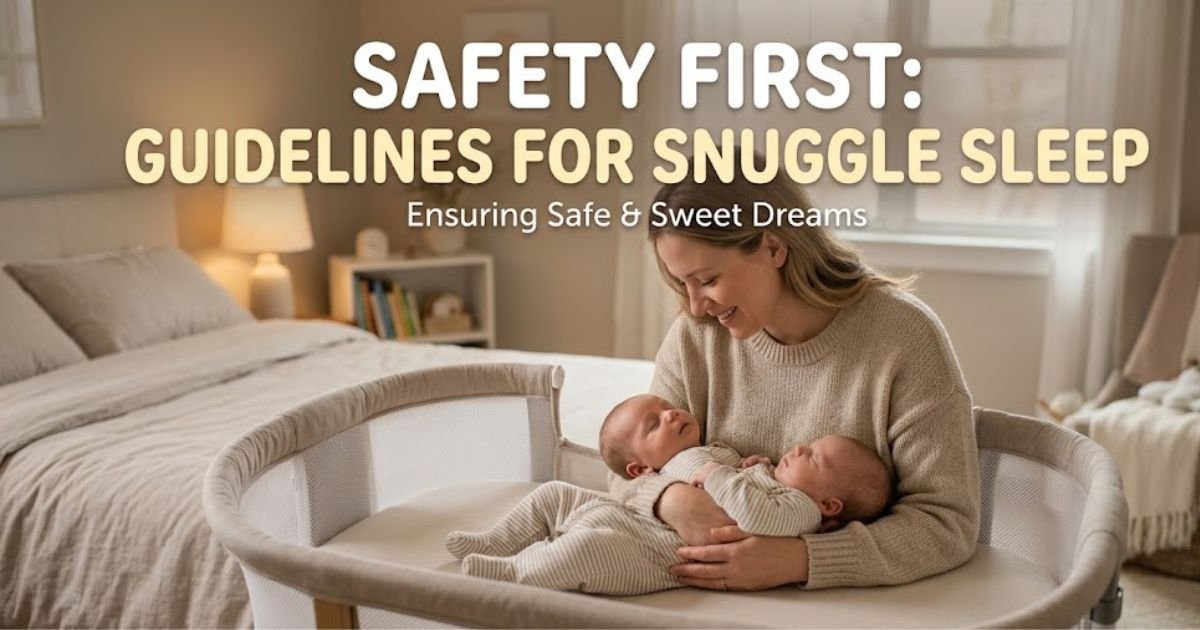
Keeping your baby safe is your number one priority. Let us cover the most important safe sleep practices so you can relax and enjoy the snuggles.
The Do’s and Don’ts of Safe Napping
Safe contact napping [2] requires your full attention.
- Do stay awake. Read a book or watch a show.
- Do keep their airway clear. Make sure their chin is lifted off their chest.
- Do look at the best positions for contact naps. A semi-upright position works wonderfully.
- Don’t sleep on a soft couch with your baby.
- Don’t hold them if you took medicine that makes you sleepy.
Avoiding Common Risks
Overheating is a hidden danger. Your body heat transfers to your baby very quickly. Dress them in light layers and avoid heavy blankets.
Parents often worry about contact naps and SIDS prevention. The key is your awareness. As long as you are awake and their airway is open, the risk drops significantly.
Safe Alternatives to Try
Need your hands free? Try babywearing! Contact naps and babywearing are a fantastic pair. A safe carrier keeps your baby upright and close while you make a sandwich. You can also try a baby swing for a few minutes of soothing motion, provided you stay right next to them.
Transitioning from Arms to the Crib
Eventually, you might decide you want your lap back. So, when to stop contact napping? There is no magic age. You stop when it no longer works for you or your baby.
How to Know When It Is Time
Look for signs of readiness. Can your baby roll over? Do they stretch out and seem uncomfortable in your arms? Are you feeling completely touched out? These are signs you might want to start the transition to independent sleep.
A Step-by-Step Transition Guide
Learning how to transition away from contact napping takes patience. Do not rush it.
- Start small: Pick the first nap of the day. Baby sleep pressure is highest in the morning.
- Warm the bed: Place a warm towel in the crib for a few minutes. Remove it before laying your baby down. The warm sheets feel just like your arms.
- Drowsy but awake: Put them down right before they fall asleep. Let them practice falling asleep on the mattress.
- Practice the pause: If they fuss, wait one full minute before picking them up.
Knowing how to phase out contact naps means accepting a few short naps at first. Contact naps vs. crib naps often look different. A 20-minute crib nap is a huge victory! Celebrate it.
Tools to Support the Transition
Create a peaceful safe sleep environment. Use a white noise machine to block out loud dogs or noisy older siblings. A snug sleep sack prevents their startle reflex from waking them up. These tools break old sleep associations and build healthy new ones.
Filling the Gaps: Unique Insights
Let us answer some specific questions that parents always ask.
Are Snuggle Naps Suitable for Preemies or Special Needs Babies?
Yes! In fact, hospitals encourage skin-to-skin care for premature babies. Contact naps for preemies help them gain weight faster and breathe easier. Always ask your doctor about specific contact nap positions if your baby has medical needs.
Can Snuggling Improve Sleep Quality for Parents?
Surprisingly, yes. Even though you are awake during the day, daytime bonding reduces your anxiety. Lower anxiety means you will sleep much better when your head hits the pillow at night.
Managing Sleep Regressions and Busy Schedules
When a sleep regression hits, your baby might suddenly hate their crib. Holding them ensures they get the rest they need, preventing an overtired meltdown.
If you have a busy schedule, plan your day around holding your baby. Put on a podcast, answer emails on your phone, or use that time to simply rest your legs.
Beyond the Basics: Advanced Tips
Ready to become a baby sleep expert? Here are a few more advanced strategies.
Combining Closeness with Sleep Training
You can absolutely combine contact napping [3] with sleep training. You might teach your baby to sleep in the crib at night, but continue holding them during the day. This keeps your baby well-rested, making nighttime training much easier.
Managing Reflux and Colic
Contact naps for colicky babies are a lifesaver. The upright angle eases belly pain. Similarly, contact naps and reflux management go perfectly together. Gravity keeps the milk down in their tummy where it belongs, saving them from painful heartburn.
Cultural Perspectives on Infant Sleep
In many cultures around the world, babies are worn or held all day long. Western society puts heavy pressure on parents to force independence early. Looking at other traditions reminds us that holding your baby is a deeply human instinct. You are not creating a bad habit; you are showing them love.
The Big Picture of Parenting
In the end, knowing how to stop contact napping matters much less than enjoying the fleeting moments you have right now. Your baby will not need to be held to sleep forever. One day, they will stretch their legs, roll over in their crib, and sleep for two solid hours all by themselves.
Knowing how to transition from contact naps to crib naps gives you a roadmap for the future. But for today? Take a deep breath.
Trust your parenting instincts. If holding your baby feels right, keep doing it. Follow safe contact napping [4] practices, use tools like a carrier when you need your hands, and never feel guilty for cuddling your child.
This beautiful, tiring, messy journey goes by in a flash. Embrace the weight of your sleeping baby. It is one of the greatest privileges in the world. Enjoy the sweet rhythm of contact napping [5], knowing you are giving your baby the very best start in life.
Conclusion
Contact naps offer warmth, bonding, and comfort, but safety should never be compromised. Choosing the right position, keeping your baby’s airway clear, and staying alert can make all the difference. While these moments are precious, always balance closeness with safe sleep practices to protect your baby’s well-being. With the right approach, you can enjoy contact naps with peace of mind.
FAQs
Are contact naps safe for newborns?
Yes, contact naps can be safe for newborns when done correctly and with full awareness. The most important thing is to make sure your baby’s airway remains completely clear at all times. Their nose and mouth should never be covered, and their chin should not be pressed against their chest, as this can restrict breathing. It’s also essential that the parent stays awake and alert during the nap to continuously monitor the baby’s position. Avoid soft surfaces like couches or recliners, as these can increase the risk of accidental suffocation.
What is the safest contact nap position?
The safest contact nap position is when your baby is placed upright on your chest, often called the “tummy-to-chest” position. In this setup, your baby’s head should be turned to one side, with their nose and mouth fully visible and unobstructed. Their neck should be straight—not bent forward or backward to allow proper airflow. Supporting your baby’s back and bottom with your arms can help keep them secure. This position not only promotes safety but also provides comfort and helps regulate your baby’s breathing and body temperature.
Can I sleep while my baby is contact napping?
No, it is not recommended to sleep while your baby is contact napping. Even if you feel comfortable or think the position is secure, falling asleep increases the risk of your baby shifting into an unsafe position without you noticing. Safe contact naps require active supervision so you can quickly adjust your baby if their breathing becomes restricted or their position changes. If you’re feeling tired, it’s better to place your baby on a flat, firm sleep surface like a crib or bassinet before you rest.