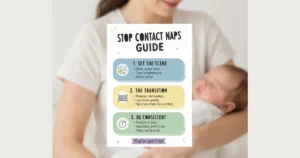
Is your baby refusing the crib and only happy snoozing on you? You’re not alone. Many parents face the “contact nap” phase, where their little one only sleeps while cuddled. It can be exhausting, frustrating, and sometimes even feel impossible. But understanding why your baby prefers contact naps, how it affects their sleep, and what gentle strategies can help makes this stage much easier to handle. In this guide, we’ll break it down step by step, so you can help your baby rest better while keeping the snuggles and your sanity intact.
Deep Dive into Contact Naps
If you’re reading this with a sleeping baby on your chest, you are already an expert on our topic today. But let’s break it down so you know exactly what is happening during those precious, quiet moments.
What Exactly Are Contact Naps?
Simply put, contact naps happen anytime your baby sleeps while touching you. It doesn’t have to be complicated! Whether they are snoozing in a baby carrier while you fold laundry, resting on your shoulder after a feed, or curled up on your chest while you scroll through your phone, that is a contact nap.
For many parents, newborn sleep almost exclusively looks like this for the first few months. It isn’t a “bad habit,” it is just how babies prefer to rest. While safe sleep practices usually recommend a firm crib for nighttime sleep, supervised naps in your arms are a totally different ballgame. They are often the only way to get a long, restful stretch of sleep during the day.
The Psychology of Contact Naps: Why Babies Crave Closeness
Have you ever wondered why your baby wakes up the second their back hits the mattress? It isn’t to trick you!
Imagine being in a warm, cozy “studio apartment” for nine months. You were constantly rocked, held tight, and surrounded by the whooshing sound of a heartbeat. That was your baby’s life inside the womb. When they are born, the world is big, bright, and still.
Babies crave closeness because it feels like home. Being held regulates their breathing and body temperature, making them feel safe enough to drift off. Understanding the benefits of contact naps for babies helps us see that this need for connection is a biological survival instinct, not a manipulation tactic. They aren’t being difficult; they are just looking for their safe place with you.
Benefits and Challenges
Contact naps can feel like both a blessing and a curse. On one hand, you get endless baby snuggles. On the other hand, your to-do list keeps growing, and your arms have fallen asleep. Let’s look at the good, the tricky, and how to manage it all.
The Benefits of Contact Naps for Baby Development
There’s a reason these cuddles feel so right. The benefits of contact naps for babies are real and backed by science. When your baby sleeps on you, their body releases oxytocin, the “love hormone,” which strengthens your bond and helps them feel secure. This closeness also helps regulate their heart rate, breathing, and temperature, promoting better baby sleep.
These naps are more than just cozy; they are a key part of early development. They reduce stress for both you and your baby, creating a calm environment that supports their growing brain. Think of it as a natural way to boost their emotional well-being.
The Hidden Challenges of Contact Naps (And How to Overcome Them)
Of course, it’s not always easy being a human mattress. You might feel trapped, unable to get anything done. You may also worry if relying on contact naps will make it harder for your baby to sleep alone later on. These concerns are completely valid.
The key is finding a balance. If you need a break, don’t feel guilty about it. You can start practicing one nap a day in the crib, following safe sleep practices. Remember, you don’t have to figure out how to stop contact naps all at once. Small steps, like putting your baby down drowsy but awake, can make a big difference over time.
Transitioning to Independent Sleep
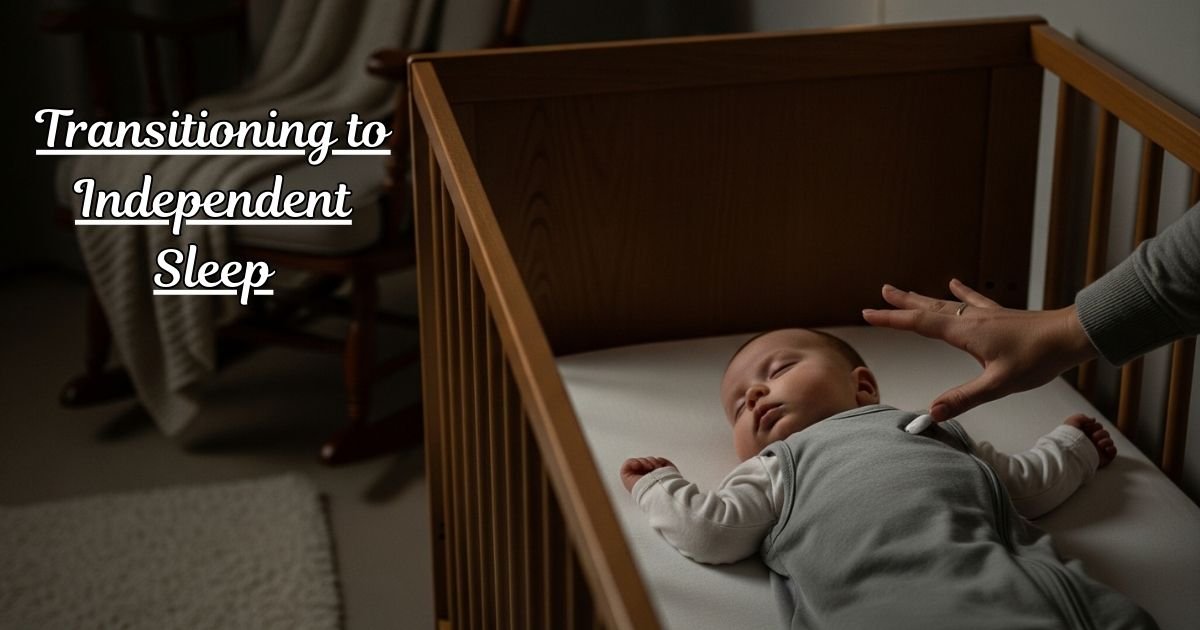
Eventually, there comes a time when your arms need a break, or you just really need to eat a sandwich without balancing it on a sleeping baby’s head. Moving from contact naps to sleep independence is a big step, but it doesn’t have to happen overnight.
How to Gradually Transition from Contact Naps to Crib Naps
Going cold turkey on cuddles is tough for everyone. Instead, try a gradual approach. Start by choosing just one nap a day. Usually, the first morning nap is the easiest to practice in the crib. Keep your safe sleep practices in mind: place your baby on their back on a firm mattress.
Try putting them down when they are drowsy but still awake. If they fuss, it’s okay to pick them up, soothe them, and try again. If the crib nap doesn’t happen today, that’s fine! You can finish the nap in your arms and try again tomorrow. Consistency is key, not perfection. Over time, your baby will get used to their own space, and their sleep will start to happen independently.
What If My Baby Only Sleeps on Me?
This is the million-dollar question! If you feel like your newborn’s sleep routine is 100% human-mattress based, don’t panic. Babies love routine, so if they are used to sleeping on you, the crib feels strange.
To help, try warming the crib with a heating pad (remove it before putting the baby down!) so the transition isn’t a shock of cold sheets. You can also introduce a “sleep association,” like a white noise machine or a sleep sack, so they know it’s time to rest even without your arms. Remember, learning how to stop contact naps is a skill that takes practice. Be patient with yourself and your little one; you will get there!
FAQs
Will Contact Naps Spoil My Baby?
This is a big one, but you can relax. You cannot spoil a newborn by holding them too much. For the first few months, a baby’s need for closeness is a biological instinct, not a manipulation. Responding to their need for comfort helps them build trust and feel secure. The benefits of contact naps for babies, like better bonding and emotional regulation, far outweigh any concerns about “spoiling” them. So, go ahead and soak up those cuddles without a hint of guilt.
How Many Contact Naps Are Too Many?
There is no magic number. For newborn sleep, it is common for almost every nap to be a contact nap. As your baby grows, you can start to find a balance that works for your family. If you and your baby are happy and well-rested, you are doing great. The goal is to follow safe sleep practices and listen to your baby’s cues. Some days might be filled with contact naps, while others might include more independent sleep. The “right” amount is whatever keeps you both content and sane.
Conclusion
The world of contact naps is full of sweet snuggles, quiet moments, and a fair share of questions. Whether you are soaking up every second or looking forward to a little more freedom, remember that this phase is short. You are doing an amazing job navigating the ups and downs of newborn sleep.
Embracing the Contact Nap Phase
One day, you will try to cuddle your little one for a nap, and they will wiggle away, ready to explore the world. So for now, try to cherish these sleepy moments. They are a powerful way to bond and provide comfort. This time is fleeting, and these naps build a foundation of trust and security that will last a lifetime.
Moving Forward: Building Healthy Sleep Habits for Your Baby
When you are ready, you can gently guide your baby toward more independent baby sleep. It is not about figuring out how to stop contact naps overnight, but about finding a rhythm that works for your family. By following safe sleep practices and being patient, you can help your baby learn to sleep soundly on their own. Trust your instincts, be kind to yourself, and know that you are giving your baby exactly what they need.