Struggling to get your baby to nap peacefully? Many parents turn to contact naps letting their little one sleep on their chest or in their arms for comfort and connection. These close, cozy moments often feel like the easiest way to soothe a fussy baby. But are contact naps actually good for your baby’s development …


You’ve been there. After an hour of rocking, shushing, and swaying, your baby is finally asleep in your arms. You tiptoe to the crib, execute a flawless, ninja like transfer, and hold your breath. The second their back touches the mattress, their eyes ping wide open. It’s a frustrating cycle that leaves many exhausted parents …
Many parents rely on contact naps letting their baby sleep on their chest or in their arms for comfort and quick sleep. These moments can feel safe, soothing, and bonding, especially for fussy or newborn babies. But could these naps have downsides? Understanding the potential risks, effects on sleep patterns, and expert guidance can help …
Are you currently “nap trapped” under a sleeping baby, terrified to move a muscle? We see you, and we promise you are not alone! For many new parents, contact naps are the only way their little one will catch some Zs. While those snuggles are sweet, there comes a time when you really just need …
Is there anything sweeter than a sleeping baby curled up on your chest? Probably not. But let’s be real, is there anything more difficult than needing to sneeze, eat, or use the bathroom while that same baby is snoozing peacefully on you? Welcome to the world of contact naps. It is one of the coziest …
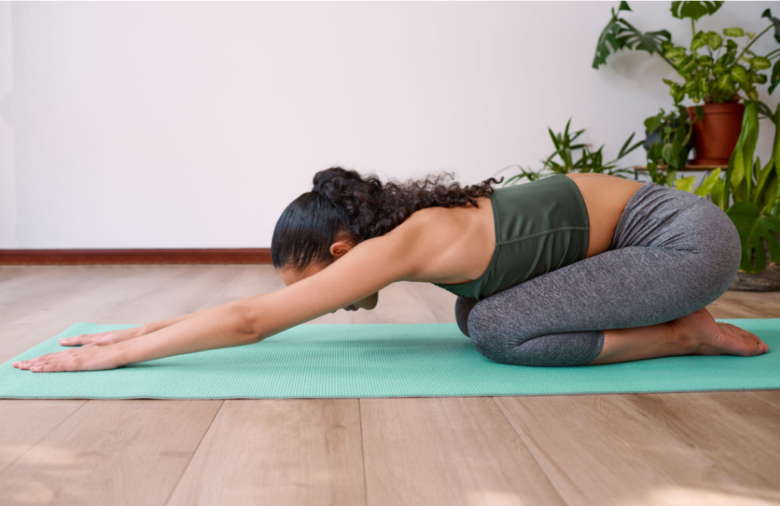
Yoga isn’t just great for flexibility and stress relief—it can also support reproductive health. Certain yoga poses promote blood flow to the reproductive organs, balance hormones, and reduce stress, all of which may improve fertility. Incorporating fertility-boosting yoga moves into your routine can help prepare your body for conception, enhance overall wellness, and create a …

One of the biggest challenges new parents face is Newborn Day and Night Confusion—when babies mix up their sleep cycles and stay awake at night while sleeping more during the day. This happens because newborns are still adjusting to life outside the womb and haven’t developed a proper circadian rhythm yet. While this phase can …
Picture this: You’ve just spent forty minutes rocking, shushing, and swaying your little one. Their eyelids are heavy, their breathing is slow, and they look completely peaceful. You gently, very, very gently, lower them toward the crib… and their eyes pop open like they just drank a double shot of espresso. Sound familiar? If you’ve …

Congratulations! Seeing that positive test result is one of life’s biggest moments. But once the initial excitement settles, a new feeling often kicks in: “Wait, what do I actually need to buy?” If you’ve spent hours scrolling through endless lists of pregnancy must haves, feeling overwhelmed by gadgets you can’t pronounce, you are in the …

You tiptoe out of the nursery, holding your breath. You’ve just put the baby down, and you finally have a moment to yourself. You sit down, take a sip of your now lukewarm coffee, and then you hear it, the cry. You check the clock. It’s been exactly 30 minutes. If this sounds painfully familiar, …