Night terrors in babies can be frightening for parents to witness, but they’re usually harmless and temporary. During a night terror, a baby may cry, scream, or appear awake while still being asleep, often without recognizing caregivers. These episodes are linked to an immature nervous system, overtiredness, or disrupted sleep cycles, not bad dreams. Understanding what night terrors are, why they happen, and how to respond calmly can help both you and your baby get back to restful nights.
What Are Night Terrors in Babies?
Imagine this: it’s the middle of the night, and your baby suddenly screams out, thrashing in their crib. You rush to their side, heart pounding, only to find them seemingly awake but completely unresponsive to your soothing words. It’s terrifying, right? But here’s the thing your baby isn’t awake at all. They’re experiencing something called night terror.
Night terrors, also known as sleep terrors, are a type of sleep disturbance that can happen to babies and young children. Unlike nightmares, which occur during lighter stages of sleep and are often remembered, night terrors happen during deep sleep. Your baby won’t remember the episode the next morning, even though it might feel like a scene straight out of a horror movie to you.
Why Understanding Night Terrors Matters for Parents
If you’ve ever felt helpless watching your baby go through a night terror, you’re not alone. These episodes can be incredibly distressing for parents, but the good news is that they’re usually harmless for your little one. Understanding what night terrors are and why they happen can make a world of difference. It’s like having a flashlight in a dark room it helps you see things more clearly and feel less afraid.
Knowing the signs of night terrors can also help you respond in the right way. For example, did you know that trying to wake your baby during a night terror can actually make things worse? Instead, staying calm and ensuring their safety is the best approach.
This guide is here to walk you through everything you need to know about night terrors in babies. From understanding the causes to learning how to handle and even prevent them, we’ve got you covered. By the end, you’ll feel more confident and prepared to tackle those sleepless nights with a little less fear and a lot more knowledge.
So, take a deep breath. You’re not alone in this, and with the right information, you’ll be ready to handle whatever the night brings. Let’s dive in!
What Are the Signs of Night Terrors in Babies?
How Can You Tell If It’s a Night Terror?
Picture this: your baby is sound asleep, and then, out of nowhere, they sit up, scream, or thrash around like they’re in the middle of a bad dream. But when you try to comfort them, they don’t respond. It’s like they’re stuck in a moment you can’t pull them out of. That’s one of the clearest signs of a night terror.
During a night terror, your baby might have wide, glassy eyes, but don’t be fooled they’re not actually awake. They may cry, sweat, breathe quickly, or even kick and flail. It’s as if their little body is in full panic mode, but their mind is still deep in sleep. The good news? They won’t remember any of it when they wake up.
How Are Night Terrors Different From Nightmares?
It’s easy to confuse night terrors with nightmares, but they’re not the same thing. Nightmares happen during lighter sleep stages, and your baby might wake up crying and need a cuddle to feel better. Night terrors, on the other hand, occur during deep sleep, usually within the first few hours of the night. Your baby won’t wake up fully, no matter how much you try to soothe them.
Think of it this way: nightmares are like a bad movie your baby can remember, while night terrors are more like a glitch in their sleep system that they’ll forget by morning.
Why Recognizing the Signs Matters
Knowing what to look for can save you a lot of worry. If you see your baby having a night terror, the best thing you can do is stay calm. It’s not easy to watch, but remember, they’re not in pain or scared the way it might seem. They’re just stuck in a sleep cycle hiccup.
By understanding these signs, you’ll feel more prepared to handle the situation. And trust me, that peace of mind is priceless when you’re up at 2 a.m., trying to figure out what’s going on.
What Causes Night Terrors in Babies?
Common Triggers of Night Terrors
If you’re wondering why your baby is having night terrors, you’re not alone. The truth is, there’s no single cause, but there are a few common triggers that might be at play. One of the biggest culprits is being overtired. When babies don’t get enough sleep, their little brains can have a hard time transitioning between sleep stages, which can lead to night terrors.
Stress is another factor. Yes, even babies can feel stress! Big changes, like moving to a new home, starting daycare, or even meeting new people, can sometimes disrupt their sleep. Illness, like a fever or cold, can also make night terrors more likely, as can certain medications.
The Role of Developmental Milestones
Babies grow and change so quickly, and their brains are constantly developing. While this is amazing, it can also be a bit overwhelming for their nervous systems. Major milestones, like learning to crawl or walk, can sometimes lead to sleep disturbances, including night terrors. It’s like their brains are working overtime, even when they’re supposed to be resting.
Are Night Terrors Hereditary?
Here’s an interesting tidbit: night terrors often run in families. If you or your partner experienced them as a child, there’s a chance your baby might, too. It’s not guaranteed, but genetics can play a role in how a baby’s sleep patterns develop.
Why Understanding the Causes Matters
Knowing what might be causing your baby’s night terrors can help you take steps to reduce them. For example, if overtiredness is the issue, you can focus on creating a consistent bedtime routine. If stress seems to be a factor, try to keep their environment as calm and predictable as possible.
While it’s impossible to prevent every night terror, understanding the triggers can make you feel more in control. And when you feel more in control, those late-night episodes become a little less scary for both you and your baby.
How Do Night Terrors Differ From Other Sleep Issues?
Night Terrors vs. Nightmares
It’s easy to mix up night terrors and nightmares, but they’re actually very different. Nightmares happen during lighter stages of sleep, usually later in the night. If your baby has a nightmare, they’ll likely wake up crying and need a cuddle to feel safe again. They might even remember the bad dream the next day.
Night terrors, on the other hand, occur during deep sleep, often within the first few hours after bedtime. During a night terror, your baby won’t wake up fully, no matter how much you try to comfort them. They might scream, thrash, or look terrified, but they won’t remember any of it in the morning. Think of nightmares as a bad memory your baby can recall, while night terrors are more like a sleep glitch they’ll forget.
Night Terrors vs. Sleepwalking
Here’s another sleep issue that can look similar: sleepwalking. Like night terrors, sleepwalking happens during deep sleep. However, sleepwalking usually involves purposeful actions, like getting out of bed or wandering around. Night terrors, on the other hand, are more about intense emotions, like fear or panic, without any clear purpose. If your baby is too young to walk, you don’t need to worry about this one just yet.
Night Terrors vs. Sleep Regression
Sleep regression is another common sleep challenge for babies, but it’s not the same as night terrors. During a sleep regression, your baby might wake up more often, have trouble falling asleep, or seem fussier than usual. It’s usually tied to developmental milestones, like learning to crawl or talk. While sleep regression can disrupt your baby’s sleep, it doesn’t involve the intense fear or unresponsiveness that comes with night terrors.
Why These Differences Matter
Understanding how night terrors differ from other sleep issues can help you respond in the right way. For example, if your baby is having a nightmare, a soothing hug might be all they need. But during a night terror, it’s best to stay calm and let the episode pass on its own. Knowing what you’re dealing with can make those sleepless nights a little less overwhelming and a lot more manageable.
How to Handle Night Terrors in Babies
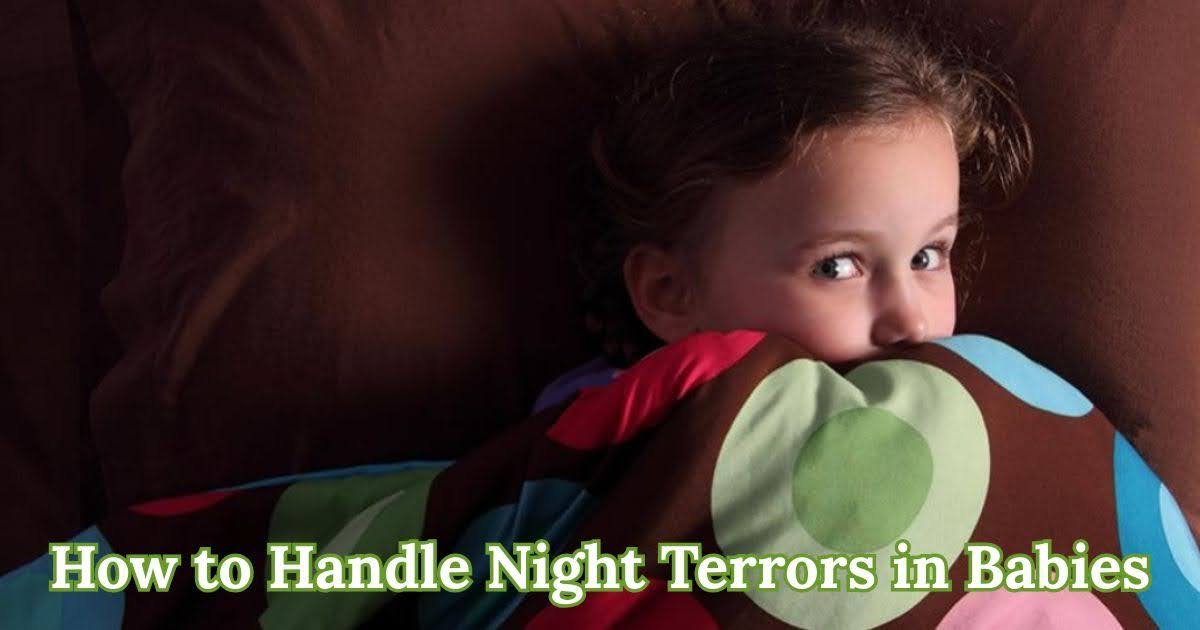
Stay Calm and Let It Pass
When your baby is in the middle of a night terror, it can feel like an emergency. But the most important thing you can do is stay calm. Remember, your baby isn’t awake and isn’t aware of what’s happening. Trying to wake them up or shake them out of it won’t help and might even make things worse. Instead, sit nearby and wait for the episode to pass. Most night terrors only last a few minutes, even if it feels much longer in the moment.
Keep Your Baby Safe
Safety is key during a night terror. If your baby is thrashing or moving around, make sure they can’t hurt themselves. Remove any objects from their crib that they could bump into, and if they’re old enough to climb out, ensure the area around their bed is free of hazards. Think of yourself as their quiet guardian, keeping watch until they settle back into peaceful sleep.
Avoid Waking Them Up
It’s tempting to try to wake your baby during a night terror, especially when they seem so distressed. But waking them can lead to confusion and make it harder for them to fall back asleep. Instead, focus on creating a calm environment. Speak softly if you need to, but don’t expect them to respond. They’re still in deep sleep, even if it doesn’t look like it.
Comfort Yourself, Too
Let’s be honest watching your baby go through a night terror can be scary for you as a parent. It’s okay to feel upset or helpless. Remind yourself that night terrors are not harmful to your baby and that they won’t even remember the episode. Take a deep breath, grab a glass of water, and remind yourself that you’re doing a great job.
Why Handling Night Terrors the Right Way Matters
How you respond to a night terror can make a big difference for both you and your baby. By staying calm and focused on safety, you can help your baby get through the episode without added stress. And knowing you’re handling it the best way possible can give you a little peace of mind, even in the middle of the night.
Prevention Tips for Night Terrors
Create a Calming Bedtime Routine
A peaceful bedtime routine can work wonders in preventing night terrors. Babies thrive on predictability, so try to follow the same steps every night. This could include a warm bath, a gentle lullaby, or a bedtime story. Keep the lights dim and the environment quiet to signal that it’s time to wind down. Think of it as setting the stage for a good night’s sleep.
Make Sure Your Baby Gets Enough Sleep
Overtiredness is one of the biggest triggers for night terrors, so ensuring your baby gets enough rest is crucial. Pay attention to their sleep schedule and make sure they’re napping during the day if needed. If bedtime has been creeping later and later, try moving it up by 15 minutes each night until you find the sweet spot where they fall asleep easily.
Reduce Stress and Overstimulation
Even babies can feel stressed, and too much excitement before bed can make it harder for them to settle. Avoid loud noises, bright screens, or overly stimulating activities in the hour leading up to bedtime. Instead, focus on calm, soothing interactions. A little quiet cuddle time can go a long way in helping your baby feel secure and relaxed.
Keep the Sleep Environment Comfortable
Your baby’s sleep space should be a haven of comfort. Make sure the room is at a cozy temperature not too hot or too cold and use blackout curtains if light is an issue. A white noise machine can also help drown out any sudden sounds that might disturb their sleep. The goal is to create a space where your baby feels safe and snug.
Watch for Patterns
If night terrors seem to happen around the same time every night, you might be able to break the cycle. Try gently waking your baby about 15 minutes before the usual time of the episode, then let them fall back asleep. This can sometimes reset their sleep cycle and prevent the terror from occurring.
Why Prevention Matters
While you can’t always stop night terrors from happening, these small changes can make a big difference. By creating a calm, predictable environment, you’re giving your baby the best chance for peaceful, uninterrupted sleep and that’s a win for everyone in the house.
Can Diet and Nutrition Impact Night Terrors?
The Connection Between Food and Sleep
You’ve probably heard the saying, “You are what you eat,” but did you know that what your baby eats can also affect how they sleep? While diet isn’t the main cause of night terrors, certain foods and eating habits might play a role in triggering them. For example, sugary snacks or drinks close to bedtime can make it harder for your baby to settle into deep sleep, which is when night terrors usually occur.
Caffeine is another sneaky culprit. While you’re probably not handing your baby a cup of coffee, some foods like chocolate or certain teas can contain small amounts of caffeine. Even a little bit can disrupt their sleep patterns.
Timing Matters
When your baby eats is just as important as what they eat. A full tummy right before bed can sometimes lead to restless sleep. If your baby is still drinking milk or formula before bed, make sure they have enough time to digest before lying down. On the flip side, going to bed hungry can also cause sleep disruptions. A light snack, like a small piece of banana or a few crackers, can help keep hunger at bay without overloading their system.
Foods That Promote Better Sleep
If you’re looking to support your baby’s sleep through diet, focus on foods that are gentle on their tummy and promote relaxation. Bananas, for example, are rich in magnesium, which can help muscles relax. Oatmeal is another great option, as it’s easy to digest and can help stabilize blood sugar levels overnight.
Why Diet Awareness Matters
While diet alone won’t solve night terrors, being mindful of what and when your baby eats can make a difference. Small changes, like avoiding sugary treats in the evening or offering a calming snack before bed, can help create a smoother path to restful sleep.
At the end of the day, every baby is different. If you suspect certain foods might be affecting your baby’s sleep, try keeping a food and sleep diary to spot patterns. And remember, you’re not just feeding their body you’re helping to nurture their sweet dreams, too.
How Do Night Terrors Affect Parents and Caregivers?
The Emotional Toll on Parents
Let’s be real watching your baby go through a night terror can be downright heartbreaking. The screaming, the thrashing, the look of fear on their little face, it’s enough to make any parent feel helpless. Even though you know they’re not awake and won’t remember it, it’s hard not to feel shaken. It’s completely normal to feel stressed, worried, or even a little scared yourself.
Night terrors can also leave you questioning if you’re doing something wrong. Spoiler alert: you’re not. These episodes are not your fault, and they don’t mean you’re failing as a parent. Sometimes, babies just have a tough time with sleep, and that’s okay.
The Impact on Sleep (Yours, Too)
Let’s not forget the practical side of things: night terrors can seriously mess with your sleep. If you’re waking up multiple times a week to comfort your baby, it’s no wonder you’re feeling exhausted. Sleep deprivation can make everything feel harder, from managing your emotions to handling everyday tasks. It’s like trying to pour from an empty cup you just don’t have the energy.
Tips for Managing Your Stress
First things first: give yourself some grace. Parenting is hard, and dealing with night terrors is no exception. If you’re feeling overwhelmed, try to carve out a little time for self-care, even if it’s just a 10-minute walk or a quiet cup of tea. Talking to a partner, friend, or family member about how you’re feeling can also help lighten the emotional load.
If you’re co-parenting, take turns handling night terrors so that both of you can get some rest. And don’t hesitate to ask for help if you need it whether that’s from a trusted babysitter, a family member, or even your pediatrician.
Why Your Well-Being Matters
Here’s the thing: you can’t pour from an empty cup. Taking care of yourself isn’t just good for you, it’s good for your baby, too. When you’re rested and emotionally balanced, you’re better equipped to handle those tough nights. Remember, you’re doing an amazing job, even on the nights when it doesn’t feel like it. You’ve got this.
Conclusion
Night terrors in babies are unsettling but typically harmless. Understanding the causes and recognizing the signs can help parents provide comfort and ensure safety. With gentle routines, consistent sleep schedules, and a calm approach, babies can gradually overcome night terrors, allowing the whole family to enjoy more restful nights.
FAQs
What are night terrors in babies?
Night terrors are sudden episodes of intense fear, crying, or agitation during sleep, usually occurring in deep non-REM sleep.
At what age do babies experience night terrors?
Night terrors are most common in infants and toddlers, typically between 1 to 4 years of age.
How can I tell if my baby is having a night terror?
Symptoms include screaming, thrashing, rapid breathing, and appearing awake but confused, often without memory of the episode the next day.
Are night terrors harmful for babies?
No, night terrors are generally harmless and part of normal sleep development, though they can be distressing for parents.
How can I soothe a baby during a night terror?
Remain calm, ensure the baby is safe, avoid waking them abruptly, and maintain a consistent bedtime routine to reduce episodes.