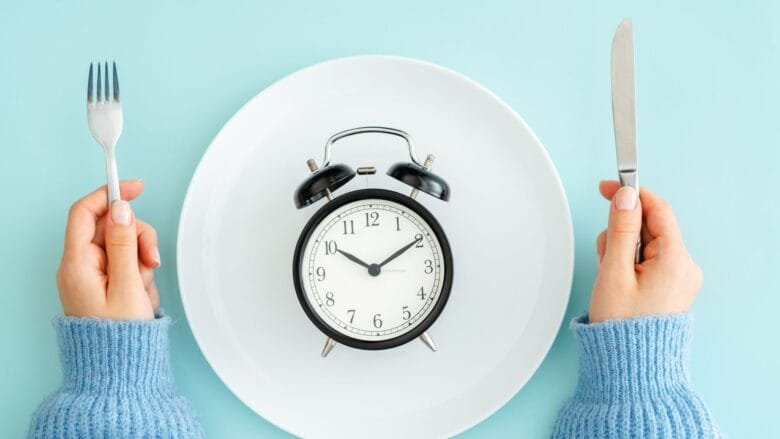
Let’s be real: navigating the world of fertility advice can sometimes feel like trying to assemble furniture without the instructions. One minute you’re told to eat specific superfoods, and the next, everyone is buzzing about intermittent fasting. If you are currently trying to conceive, you have probably asked yourself the big question: Is skipping breakfast going to help me get pregnant, or will it hurt my reproductive health?
It is a fair worry! We know that maintaining a healthy weight is important, and weight loss for fertility is often the first thing doctors recommend, especially for women managing PCOS. But does this popular eating pattern, also known as time restricted feeding, actually help with hormonal balance? Can simply changing when you eat really improve ovulation?
Understanding Intermittent Fasting
So, what exactly is intermittent fasting? Think of it less like a strict diet and more like an eating schedule. Instead of focusing on what you eat, intermittent fasting is all about when you eat. You simply cycle between periods of eating and periods of fasting. It’s a concept that has been around for centuries, but it has gained a lot of attention for its potential health benefits.
What Are the Different Types of Intermittent Fasting?
There are a few popular ways to do it, and you can choose what fits your life best.
- The 16/8 Method: This is a common starting point. You fast for 16 hours a day and have an 8-hour window to eat your meals. For most people, this just means skipping breakfast and finishing dinner by a certain time.
- The 5:2 Diet: You eat normally for five days a week and significantly reduce your calorie intake on two non consecutive days.
- Alternate Day Fasting: Just like it sounds, you fast every other day.
How Does Intermittent Fasting Work?
When you fast, your body doesn’t have a constant supply of food to burn for energy. So, it starts to tap into its stored fat reserves instead. This process can lead to changes in your metabolism and hormone levels, which is where the potential benefits for health and fertility come into play.
Is Intermittent Fasting a Diet or a Lifestyle?
While it can feel like a diet at first, many people find intermittent fasting to be a sustainable lifestyle change. Because it’s flexible and doesn’t ban any specific foods, it can be easier to stick with long term compared to more restrictive eating plans. The key is finding a rhythm that works for you and your body.
The Science Behind Intermittent Fasting and Fertility
Alright, let’s peek behind the curtain and see what science says about intermittent fasting and fertility. It’s not just about when you eat; it’s about how your body responds to that timing. When you give your body a break from digesting, it can focus on other important jobs, like cellular repair and balancing hormones.
How Does Intermittent Fasting Impact Hormonal Balance?
Your hormones are like a finely tuned orchestra, and even small changes can throw everything off. Intermittent fasting can influence key hormones involved in reproduction. For some, fasting helps regulate hormones that are out of sync, which can be a game changer for creating a healthy environment for conception. It gives your body a chance to reset and find its natural rhythm.
The Role of Insulin Sensitivity in Fertility
Think of insulin as the gatekeeper for sugar entering your cells. When your body becomes less responsive to insulin (known as insulin resistance), it can disrupt ovulation. Intermittent fasting can help improve your body’s sensitivity to insulin. Better insulin sensitivity means more stable blood sugar levels, which supports a more regular menstrual cycle and healthier ovulation.
Can Intermittent Fasting Improve Egg Quality and Ovulation?
This is the big question! By reducing inflammation and oxidative stress, two things that can damage egg cells, intermittent fasting may help improve egg quality. When your body isn’t working overtime on digestion, it can focus on protecting your cells from damage. This, combined with better hormonal balance, can create the right conditions for more consistent ovulation and healthier eggs.
Benefits of Intermittent Fasting for Fertility
Now that we understand the science, let’s talk about the good stuff, how this habit actually helps you get pregnant. There are some surprising perks that go beyond just fitting into your favorite jeans.
Weight Loss and Its Impact on Reproductive Health
Carrying extra weight can sometimes act like static on a radio, interfering with the clear signals your hormones try to send to your ovaries. By helping you shed those extra pounds safely, intermittent fasting clears up that signal. When you reach a healthy weight, your cycle often becomes more predictable, making it much easier to pinpoint exactly when to try for a baby.
Reducing Oxidative Stress and DNA Damage in Oocytes
Think of your body like a busy factory. Over time, it creates waste products called “oxidative stress” that can rust and damage your cells, including your eggs (oocytes). Fasting gives the factory a break, allowing your body to do a deep clean. This “cleanup mode” helps repair DNA and keeps your eggs healthier and stronger for longer.
How Intermittent Fasting Helps Women with PCOS
For women with Polycystic Ovary Syndrome (PCOS), insulin levels are often too high, which throws ovulation completely off track. Intermittent fasting acts like a reset button for insulin. By lowering these levels naturally, it helps calm the hormonal chaos. Many women find that their irregular periods start showing up on time again, which is a huge win for fertility!
Risks and Limitations of Intermittent Fasting for Fertility
It’s important to keep it real: while intermittent fasting can be great, it isn’t a magic wand for everyone. Sometimes, too much of a good thing can actually backfire, so listening to your body is key.
Can Intermittent Fasting Harm Your Menstrual Cycle?
Your body is incredibly smart. If you fast for too long or too often, your brain might start to think food is scarce. To protect you, it could hit the “pause” button on ovulation. Basically, your body says, “It’s not safe to have a baby right now!” This can lead to irregular or missed periods, which makes getting pregnant much harder.
What Are the Risks of Caloric Restriction While Trying to Conceive?
Remember, growing a tiny human requires a lot of energy! One big risk of fasting is accidentally eating way too little during your eating window. If your calorie intake drops too low, your body goes into survival mode. Instead of using energy to help you conceive, it hoards that energy just to keep you going. You need plenty of fuel to build that nest.
Who Should Avoid Intermittent Fasting?
This lifestyle isn’t a one size fits all solution. If you are already underweight, under extreme stress, or have a history of eating disorders, fasting might add too much pressure to your system. Also, the moment you see that positive pregnancy test, it’s usually time to stop fasting and focus purely on nourishment!
Practical Tips for Safe Intermittent Fasting
Ready to give this a try without upsetting your body? The goal here is to gently nudge your health in the right direction, not shock your system. Here is how to do it safely while keeping your baby goals front and center.
How to Create a Fertility Friendly Intermittent Fasting Schedule
Start slow! You don’t need to jump straight into a strict 16-hour fast. Try a “12/12” schedule first, eating breakfast at 8 a.m. and finishing dinner by 8 p.m. This aligns with your body’s natural clock and is much gentler on your hormones. If that feels good, you can slowly stretch it to 14 hours. Consistency is your best friend here; slow and steady wins the race.
What to Eat During Your Eating Window for Optimal Reproductive Health
When the eating window opens, make it count! Don’t just fill up on empty snacks. Focus on real, nourishing foods, think avocados, leafy greens, salmon, and nuts. You want plenty of healthy fats and protein to fuel your eggs. Think of it as premium gas for your fertility engine; quality matters just as much as timing.
Balancing Fasting with Exercise and Stress Management
Here is the golden rule: don’t double down on stress. Fasting is a tiny bit stressful for the body (in a good way), but if you add intense workouts and high anxiety, it becomes too much. Swap the heavy cardio for yoga or a nice walk. Keep calm, breathe deep, and let your body know it is safe to conceive.
FAQs
Is Intermittent Fasting Safe for Women Trying to Conceive?
Generally, yes, but with a gentle approach! Think of it like yoga versus heavy lifting; you want to support your body, not strain it. For most healthy women, especially those managing insulin resistance or PCOS, a moderate schedule like 12/12 or 14/10 is usually safe and beneficial. However, if you have a history of irregular periods or are underweight, check with your doctor first. Your body needs to feel safe and well fed to baby make!
How Long Should You Follow Intermittent Fasting Before Seeing Results?
Patience is key here. Your hormones are like a slow turning ship, not a speedboat. Most women start to notice changes, like better energy, weight loss, or more regular cycles, within about 4 to 12 weeks. Remember, egg quality takes about three months to improve, so give your body time to adjust and work its magic.
Can Intermittent Fasting Be Combined with Other Fertility Diets?
Absolutely! In fact, they often make a great team. Whether you are following a Mediterranean diet rich in healthy fats or a low carb plan, intermittent fasting fits right in. It acts as the schedule for your eating, while the fertility diet dictates the menu. Just ensure you are eating enough nutrient dense food during your window to fuel your fertility journey.
Conclusion
So, we’ve covered a lot of ground! From what intermittent fasting is to how it can influence your hormones and fertility, it’s clear this is more than just another diet trend. But is it the right choice for you? Let’s wrap it all up.