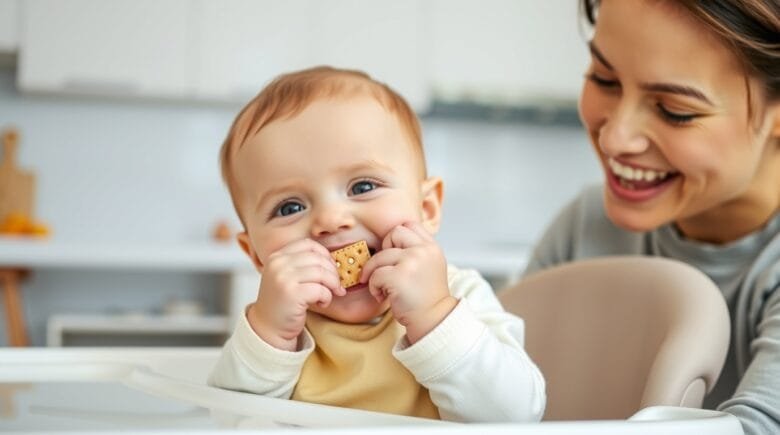
Is your sweet, smiley baby suddenly a grumpy, drooling mess who wants to chew on everything in sight? Welcome to the teething phase! It can be tough seeing your little one in discomfort, and as a parent, you’re probably searching for anything that can offer some relief. You may have heard other parents talk about teething crackers or seen them in the baby food aisle. But this brings up a big question: when can babies have teething crackers?
Handing your baby their first solid food is a huge milestone, and it’s normal to feel a mix of excitement and worry. You’re likely wondering about the right age, what signs of readiness to look for, and how to choose the best teething biscuits for your baby. You’re in the right place. This guide will walk you through everything you need to know, from developmental signs to picking safe, healthy options. We’ll help you feel confident about introducing this helpful snack to soothe those sore gums.
What Are Teething Crackers, and Why Are They Important?
So, you’ve heard other parents raving about these magic little biscuits, but what’s the real deal? Let’s break it down simply.
What Are Teething Crackers?
Think of teething crackers (often called teething biscuits) as edible tools for your baby. Unlike the soft cookies we grown ups dunk in coffee, these are specially baked to be super hard on the outside but dissolve easily once they get wet from saliva.
They are designed this way on purpose! They give your baby something firm to gnaw on without breaking off into dangerous chunks too quickly. They are essentially food teethers that act as a bridge between liquid diets and solid foods, giving those little gums a safe workout.
Why Are Teething Crackers Important?
They do double duty! First, they provide much needed baby teething relief. When your little one chomps down, the hard texture puts pressure on their sore gums, which actually feels great and helps numb the pain of new teeth cutting through.
Second, they are amazing for development. Holding a cracker helps with hand eye coordination, and maneuvering it around the mouth teaches crucial baby chewing skills. It’s like a gym workout for their mouth muscles, preparing them for “real” food later on. Plus, it keeps them busy for a few minutes, and let’s be honest, we parents will take every quiet minute we can get!
When Can Babies Start Eating Teething Crackers?
Knowing the right time to introduce teething crackers can feel like a guessing game, but your baby will give you some clear clues. It’s less about a specific date on the calendar and more about their developmental milestones.
Signs Your Baby Is Ready
Before you hand over that first biscuit, look for a few key signs of readiness. Your little one should be able to sit up independently, as this helps with safe swallowing. They’ll also likely be showing a keen interest in solid foods—maybe by eyeing your dinner with intense focus or reaching for what’s on your plate. Another big sign is that they have good head and neck control and have started bringing objects to their mouth. These signs show they have the motor skills needed to handle a teething cracker.
Recommended Age Range
Most pediatric experts agree that the sweet spot for introducing teething crackers is between 6 and 8 months of age. By this point, many babies have started their solid food journey and have the physical coordination to self feed safely. However, every baby is different. Always trust your gut, and when in doubt, have a quick chat with your pediatrician. They can give you personalized advice based on your child’s unique development.
How to Choose the Best Teething Crackers for Your Baby
Walking down the baby aisle can feel overwhelming with so many colorful boxes staring back at you. How do you pick the right one? It’s easier than you think when you know what to check.
Key Ingredients to Look For
Start by flipping that box over and reading the label. You want a short list of ingredients that you can actually pronounce. Look for simple, wholesome things like rice flour, oat flour, or real fruit and veggie purees. The best teething biscuits avoid added sugars or salt, your baby doesn’t need them! Organic options are often a safe bet if you want to steer clear of pesticides or artificial flavors.
Safety Features to Consider
Texture is everything here. You aren’t looking for a crunchy chip; you need something that dissolves quickly. A good teething cracker should turn mushy almost instantly when it touches saliva. This “melt in the mouth” quality is what prevents choking and keeps your little one safe while they practice their chewing skills.
Store Bought vs. Homemade Options
There’s no wrong answer here! Store bought crackers are super convenient for diaper bags and travel. They are consistent in texture and easy to grab on the go. On the other hand, homemade crackers let you control exactly what goes in them. If you love baking, whipping up a batch of homemade teething biscuits can be a fun way to experiment with flavors your baby might love. Choose what fits your lifestyle best!
What Are the Benefits of Teething Crackers?
Why are these little biscuits such a hit in the parenting world? It’s not just because they keep your baby busy (though that is a huge plus!). They actually pack some serious developmental perks.
Soothing Sore Gums
The most obvious win is baby teething relief. When those tiny teeth start pushing through, your baby’s gums get red, swollen, and downright grumpy. Gnawing on a hard teething cracker provides counter pressure, which is a fancy way of saying it pushes back against the pain. It’s like a gentle massage for their mouth, helping to calm the fussiness that comes with teething.
Encouraging Self Feeding
Teething crackers are often the perfect size for little hands to grab. This makes them fantastic for practicing the “pincer grasp”, that’s the skill of using the thumb and finger to hold things. By letting your baby hold their own cracker, you are boosting their confidence and independence. It’s their first step toward feeding themselves, which means less spoon feeding for you down the road!
Building Chewing Skills
Even before they have a mouthful of teeth, babies need to learn how to chew. The resistive texture of these biscuits forces your baby to work their jaw muscles. This practice helps them map out their mouth and figure out how to move food around with their tongue. It’s the perfect training ground for tackling trickier solid foods later on.
Are Teething Crackers Safe for Babies?
Safety is the big question keeping many parents up at night (well, that and the sleep regression!). The short answer is yes, teething crackers are generally safe, but we need to follow a few golden rules to keep them that way.
Supervision is Key
This is the most critical rule in the book: never, ever leave your baby alone with food. Even though these biscuits are designed to be safe, accidents can happen silently and quickly. Treat snack time as a supervised activity, sit with them, chat with them, and keep your eyes on them while they munch. It’s definitely not the time to run into the other room to switch the laundry!
Choosing the Right Texture
Not all crackers are created equal. You want a cracker that is hard enough to soothe sore gums but dissolves quickly once it gets wet. Avoid anything that snaps into sharp, hard chunks, as those can be a choking hazard. A good test? Put a piece in your own mouth first. If it melts away easily for you, it’s likely a safe bet for your little one.
Allergy Awareness
Just like with any new food, you need to be a label detective. Check the box for common allergens like wheat, dairy, or nuts, especially if allergies run in your family. When introducing a new brand, try it once and wait a bit to watch for any reaction before serving it again.
How to Make Homemade Teething Crackers
Ready to channel your inner baker? Making homemade teething biscuits is easier than you think, and the best part is knowing exactly what is going into your baby’s tummy. Plus, it saves you a trip to the store!
Simple Ingredients You’ll Need
You don’t need a fancy pantry for this. You likely have the basics right now. Grab some oat flour or iron fortified baby cereal as your base. Next, pick a flavor booster like mashed banana, applesauce, or cooked sweet potato. You will also need a liquid to bind it all together, like breast milk, formula, or just plain water. That’s it, no hidden sugars or preservatives here!
Step by Step Instructions
Start by mixing your flour and puree in a bowl until a dough forms. If it feels too sticky, just sprinkle in a bit more flour. Roll the dough out and cut it into long, rectangular strips, think “thick french fry” shape, so they are easy for little hands to grab. Bake them in the oven at 350°F (175°C) for about 15 to 20 minutes. You want them dry and hard so they don’t break apart instantly.
Tips for Storage and Serving
Once they are fully cooled, store your creations in an airtight container on the counter for up to 3 days. For longer storage, pop them in the freezer for up to three months. Always do a quick “soggy check” before serving to make sure they haven’t turned soft!
Alternatives to Teething Crackers
While teething crackers are fantastic, it’s always good to have a few other tricks up your sleeve. Sometimes your baby might not be in the mood for a biscuit, or you might just want to switch things up. Here are some excellent alternatives to have in your parenting toolkit.
Food Teethers
Nature provides some of the best teethers! These are simply hard, resistive foods that your baby can gnaw on safely. Think of a chilled, thick carrot stick (make sure it’s too big to be a choking hazard), a whole celery stalk, or even the core of a pineapple. These “food teethers” offer a different texture and temperature, which can feel amazing on sore gums. Just remember, these are for gnawing, not eating, so supervision is still a must.
Teething Toys
You can never go wrong with a classic teething toy. From simple silicone rings to more complex textured toys, there’s something out there for every baby. Pro tip: pop a food grade silicone teether in the fridge for about 15 minutes before giving it to your baby. The cool temperature provides extra soothing relief.
Natural Remedies
Sometimes, the simplest solutions are the most effective. A clean, damp washcloth that has been chilled in the freezer for a few minutes can work wonders. You can also gently massage your baby’s gums with a clean finger. This direct pressure can offer instant comfort when your little one is feeling particularly fussy.
FAQs
Can Teething Crackers Cause Tooth Decay?
This is a great question. Any food containing carbohydrates, including sugar free teething biscuits, can potentially contribute to tooth decay if left on the teeth for a long time. The key to prevention is good baby oral hygiene. After your baby enjoys a cracker, gently wipe their gums and any new teeth with a soft, damp cloth or a baby safe toothbrush. This simple step removes food particles and keeps their mouth healthy.
How Often Should I Give My Baby Teething Crackers?
Think of teething crackers as a helpful tool, not a main meal. It’s best to offer them once or twice a day, especially during those extra fussy teething periods. They shouldn’t replace regular meals or milk feedings. Moderation is key to ensuring your baby gets a balanced diet while still enjoying the soothing benefits of the crackers.
What Should I Do If My Baby Doesn’t Like Teething Crackers?
Don’t sweat it! Every baby is different, and some just aren’t fans of teething biscuits. If your little one isn’t interested, there’s no need to force it. You have plenty of other options, like chilled teething toys, cold washcloths, or other safe food teethers. The goal is to find what works best for your baby to provide comfort.
Expert Tips for Introducing Teething Crackers
You’re all set to introduce this exciting new snack, but a few expert tips can make the process smoother for both you and your baby. Think of these as your secret weapons for success.
Start Slow and Observe
When you offer a teething cracker for the first time, don’t be surprised if it takes a moment for your baby to figure out what to do. Let them explore it at their own pace. This is also a great time to watch for any potential allergic reactions, especially if the cracker contains new ingredients. Follow the “four day wait” rule: introduce one new food at a time and wait a few days before trying another.
Pair with Other Foods
While teething crackers are great for soothing gums, they aren’t a complete meal. You can make snack time more nutritious by pairing them with other healthy foods. For example, serve a cracker alongside some mashed avocado or a small serving of yogurt. This adds variety to their diet and exposes them to different textures and flavors.
Encourage Safe Chewing Habits
This is your chance to teach good habits from the start. Always make sure your baby is sitting upright in a high chair or on your lap while eating. This helps prevent choking and encourages proper posture for meals. Model chewing motions yourself and offer plenty of praise. This positive reinforcement makes learning to eat a fun and safe experience.
Conclusion
Navigating the teething phase can feel like a roller coaster, but now you’re equipped with plenty of knowledge to make the ride smoother. Teething crackers can be a fantastic addition to your parenting toolkit, offering both relief for your baby and developmental benefits.