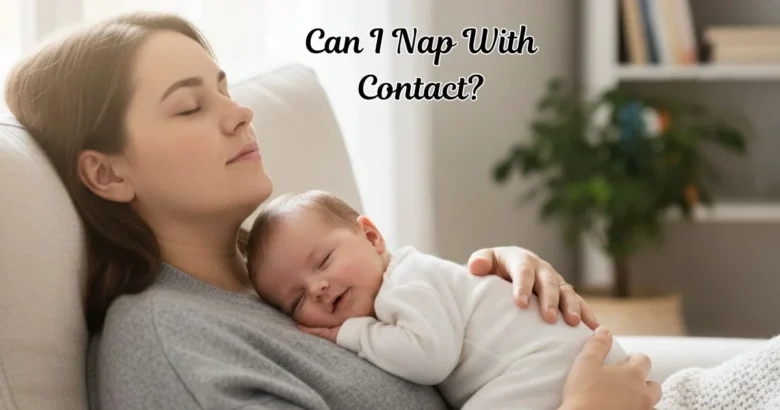
Yes, you can nap with contact, but only if it’s done safely. Many parents fall asleep during contact naps because they’re exhausted, not careless. While contact napping can calm babies and support bonding, it also comes with real risks if done on unsafe surfaces or positions. The key is knowing when it’s unsafe, how to reduce risks, and what experts actually recommend. This article explains contact napping in simple terms so you can protect your baby and still get the rest you need without guilt or confusion.
Why Do My Eyes Feel So Bad After a Nap?
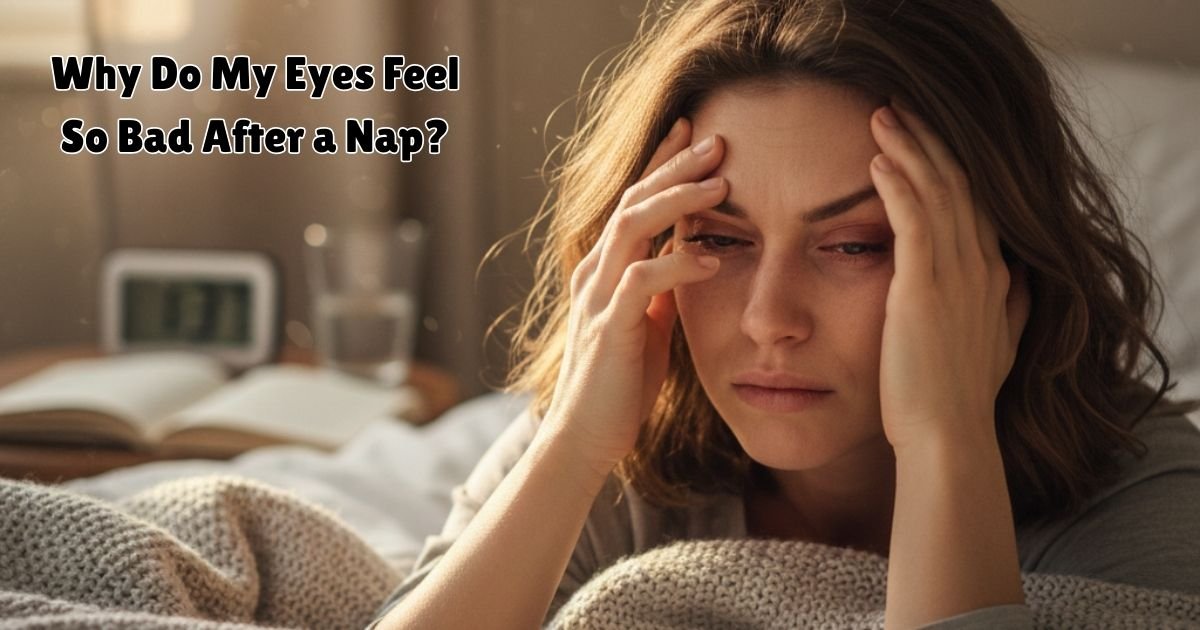
Ever wake up from a nap with your contacts in and feel like your eyes have been replaced with sandpaper? It’s a uniquely unpleasant sensation, and there’s some real science behind that gritty, blurry feeling. It all comes down to what happens when you shut your eyes with a tiny piece of plastic sitting on them.
The Oxygen Blockade
Think of your cornea, the clear front part of your eye, as needing to breathe. When your eyes are open, it gets all the oxygen it needs directly from the air. But when you close your eyes, that oxygen supply is already reduced. Now, add a contact lens into the mix. It acts like another barrier, further blocking that precious oxygen. Your cornea essentially starts holding its breath, which is why it feels stressed and irritated when you wake up.
The Dehydration Effect
Your contact lenses are like tiny sponges that need to stay moist to be comfortable. When you’re awake, you blink regularly, which spreads fresh, hydrating tears over the lens. But when you’re asleep, you don’t blink. Your tears stop flowing as much, and the lens starts to dry out. As it gets thirsty, it pulls moisture from your eye’s surface, leaving your cornea feeling dry and causing the lens to stick. This is what creates that “peeling a sticker off your eyeball” feeling.
The pH Balance Shift
Here’s a detail you might not know: the chemistry of your tears changes when you sleep. As waste products build up under your closed eyelids, your tears can become slightly more acidic. This shift in pH balance is subtle, but it’s enough to cause that specific stinging or burning sensation you feel right when you open your eyes. It’s your eyes’ way of saying, “Hey, things got a little weird in here while you were out!
Can I Nap With Contacts? Determining Your Personal Risk Profile
So, you’re wondering, “Is it really that bad if I nap with my contacts in?” While the official advice is always “don’t,” the actual risk isn’t the same for everyone. Think of it like a sliding scale of danger. Your personal risk level depends on a few key things, and knowing where you stand can help you make smarter choices when you’re feeling sleepy.
Lens Material
Not all contact lenses are created equal. Older lenses are often made of Hydrogel, a material that doesn’t let much oxygen through. Napping in these is a much bigger risk. Newer lenses, made of Silicone Hydrogel, are far more breathable. They allow up to six times more oxygen to reach your cornea, which significantly lowers the immediate risk of irritation. While still not ideal for sleeping, they offer a much safer “oops, I fell asleep” scenario.
Lens Condition
The age of your lens matters, too. Napping in a brand-new daily disposable lens is less risky than dozing off in a monthly lens you’ve been wearing for 29 days. Over time, lenses build up protein deposits and other gunk from your tears. This buildup not only makes them less comfortable but also creates a tasty buffet for bacteria, increasing your chance of infection. A fresh, clean lens is always a safer bet.
Your Eye Health History
Finally, you need to consider your own eyes. Do you already suffer from dry eye? If so, napping with contacts will only make it worse, as your eyes produce fewer tears while you sleep. If you have a history of eye infections, you’re more likely to get another one. Think of it this way: if your eyes are already sensitive, they’ll be the first to complain when you break the rules.
The Danger Scale: From ‘Oops’ to ‘Emergency’
Not all contact lens naps are created equal. The length of your snooze directly impacts the level of risk to your eyes. Let’s break down the danger scale, from a minor slip-up to a situation that needs immediate attention.
The 20-Minute Commuter Nap
This is the “oops” moment. You doze off on the train and wake up as you pull into your station. The risk here is minimal, but you’ll likely feel the consequences. Expect your eyes to feel dry and your lenses to feel a bit sticky. It’s more of a comfort issue than a major health scare, but it’s a clear warning sign from your eyes.
The ‘Fell Asleep Watching TV’ (2-3 Hours)
You were just going to watch one more episode, and suddenly it’s 2 AM. A nap of this length puts you in the moderate risk zone. Your cornea has been deprived of oxygen for a longer period, so you’ll probably experience some blurriness and irritation upon waking. The chance of your lens sticking to your eye is also much higher.
The All-Night Accident
This is when things get serious. Sleeping for a full night with your contacts in significantly increases your risk of developing a painful eye infection, like a corneal ulcer. Your eyes have been in a low-oxygen, high-bacteria environment for hours. This isn’t just an “oops” anymore; it’s a situation that requires careful monitoring.
Sleeping with Color/Cosmetic Lenses
This one deserves its own category because the danger is much greater. Many decorative or costume lenses are made from older, thicker materials that are far less breathable than modern prescription lenses. They can severely limit oxygen, making even a short nap a major risk. Avoid sleeping in these at all costs.
Damage Control: A Step by Step Recovery Plan
So, the inevitable happened. You dozed off, woke up, and now your eyes feel like they’re glued shut. Don’t panic! Waking up with dry, sticky contacts is stressful, but how you react in the next five minutes makes a huge difference. Follow this simple rescue plan to save your eyes from unnecessary pain.
The ‘Do Nothing’ Rule
When you first wake up, your instinct will be to claw those lenses out immediately. Stop. Do absolutely nothing for a moment. Your lenses are likely dehydrated and stuck tight to your cornea. Trying to peel them off right now is like trying to rip a sticker off a piece of paper; you might tear the surface of your eye (a corneal abrasion). Take a few deep breaths and let your natural tears start to flow.
Rehydrate and Wait
Grab your bottle of sterile rewetting drops or artificial tears. Do not use tap water! Tilt your head back and apply a generous amount of drops to each eye. Blink gently, don’t rub! to help the moisture soak in. You need to turn those dried-out “sponges” back into soft lenses. Wait at least 5 to 10 minutes. This patience is key to unsticking the lens safely.
Removal and Inspection
Once your eyes feel moist and the lens moves freely when you blink, it’s safe to take them out. Wash your hands thoroughly, then gently remove the lenses. Inspect them closely. If they look shriveled, torn, or have stubborn deposits, throw them away immediately. It’s not worth the risk of putting a damaged lens back in later.
The ‘Lens Holiday’ Protocol
After an accidental nap, your corneas are stressed and need a break. Implement a “lens holiday.” Switch to your backup glasses for the rest of the day, or even the next 24 hours if the nap was long. This gives your eyes a chance to breathe freely and recover fully before you cover them up again.
Prevention Hacks for the Sleep-Deprived
The best way to deal with post-nap eye irritation is to prevent it from happening in the first place. But when you’re exhausted, your brain isn’t always focused on eye health. Instead of relying on willpower, try these simple, clever tricks to outsmart your sleepy self and keep your eyes happy.
The ‘Lens Case on the Pillow’ Trick
This hack is beautifully simple. If you know you’re going to be tempted to nap, put your contact lens case and solution directly on your pillow. When you go to lie down, you’ll have a physical reminder that you need to take your lenses out first. It’s hard to ignore a lens case when it’s sitting right where your head is supposed to go!
Hydration Station
Dryness is the main enemy of a contact lens nap. To combat this, set up “hydration stations” in all the places you might doze off. Keep a bottle of rewetting drops on your desk, in your bag, and on your nightstand. Having them within arm’s reach makes it easy to add a few drops before you close your eyes, which can provide a crucial moisture buffer.
‘Nap-Ready’ Prep
If a nap is absolutely unavoidable and you can’t remove your lenses, you can take a few steps to minimize the damage. Before you close your eyes, apply a few preservative-free rewetting drops to create a moisture cushion. If possible, try to nap slightly upright in a chair rather than lying flat. This can help with tear drainage and may reduce some of the pressure on your eyes. It’s not a perfect solution, but it’s better than nothing.
When to See a Doctor: Distinguishing Irritation from Infection
Okay, so you’ve done the recovery plan, but your eye still feels like it’s angry at you. How do you know if it’s just a little grumpy (irritation) or if something serious is going on (infection)? While most post-nap discomfort fades away with time and moisture, you need to know exactly when to stop self-treating and call the pros.
The 24-Hour Rule
Here is a simple rule of thumb: minor irritation from dryness should start to feel better within a few hours of taking your lenses out. If you have removed your contacts, used artificial tears, and waited a full day, but your vision is still blurry, or your eye is still red, the “24-Hour Rule” is up. Persistent symptoms that don’t improve after a good night’s sleep (without contacts!) mean it’s time to call your eye doctor.
Warning Signs
Infections don’t usually play nice. While dry eyes just feel scratchy, an infection often feels much worse. Watch out for light sensitivity (photophobia), where even normal indoor lights make you squint or tear up. Another big red flag is discharge. If you notice thick, yellow, or greenish goop coming from your eye or if your eyelashes are crusted shut when you wake up, that is not normal sleep grit. That’s an infection saying hello.
The ‘White Spot’ on the Cornea
This is the scary one, but you need to know about it. Go to a mirror and look closely at the colored part of your eye (the iris). If you see a tiny white or greyish spot on the clear surface covering the color, that is a major emergency. It could be a corneal ulcer. Don’t wait 24 hours. Don’t Google it. Go straight to an eye doctor immediately.
FAQs
Is napping with daily contacts safer than monthlies?
Technically, yes, but it’s still risky. Daily disposable lenses are thinner and fresh out of the pack, meaning they haven’t had weeks to collect bacteria and protein buildup like monthly lenses. This makes them slightly safer because you aren’t trapping old germs against your eye while you sleep. However, they still block oxygen and dry out your eyes. Think of it as the difference between jaywalking on a quiet street versus a highway; one is safer, but you still shouldn’t make a habit of it.
Can I just use water if I can’t get my lenses out?
Absolutely not! Put the tap water down. Water contains tiny organisms (like amoebas) that are harmless to drink but can cause devastating infections if they get trapped under a contact lens. Plus, the salt balance in water is different from your tears, so it can actually make the lens stick tighter to your eye and cause swelling. If you are out of solution, use preservative-free artificial tears or run to the pharmacy. Never, ever use tap water.
Does napping with contacts make my prescription get worse?
Not directly, but it can feel like it. Napping in contact lenses causes corneal swelling (edema) due to a lack of oxygen. This temporary swelling changes the shape of your eye slightly, which can make your vision blurry and your prescription feel “off” for a few hours or even a day. While a nap won’t permanently change your eyesight number, chronic oxygen deprivation from sleeping in lenses can lead to long-term vision changes.
Conclusion
We’ve covered a lot of ground, from the science of oxygen deprivation to the panic of waking up with “sticky” eyes. While the topic might seem small, the health of your eyes is a big deal. Let’s wrap things up with a clear view of where to go from here.
Summary
Here is the bottom line: Napping with contact lenses is essentially a gamble with your vision. Every time you close your eyes with lenses in, you are cutting off oxygen and creating a cozy home for bacteria. While a short 20-minute snooze might only leave you with dry, irritated eyes, falling asleep for hours or overnight dramatically increases the risk of serious infections. It’s a habit that might seem harmless in the moment, but the potential cost to your eye health is high.
Empowering Thoughts
Now, take a deep breath. You are human, and humans get tired. We aren’t expecting you to be perfect 100% of the time. The goal of this guide isn’t to scare you into never blinking again; it’s to help you be prepared. By understanding the risks and having a “damage control” plan, like keeping rewetting drops nearby and knowing when to take a “lens holiday,” you are taking control of your eye health. You can’t always avoid a nap, but you can certainly avoid the panic.
Final Recommendation
If you find yourself constantly drifting off in your lenses, listen to what your lifestyle is telling you. It might be time to chat with your eye doctor about switching to high-oxygen silicone hydrogel lenses or daily disposables, which are much safer for the occasional accidental nap. Your eyes work hard for you all day; giving them the right tools (and plenty of oxygen!) is the best way to say thank you.