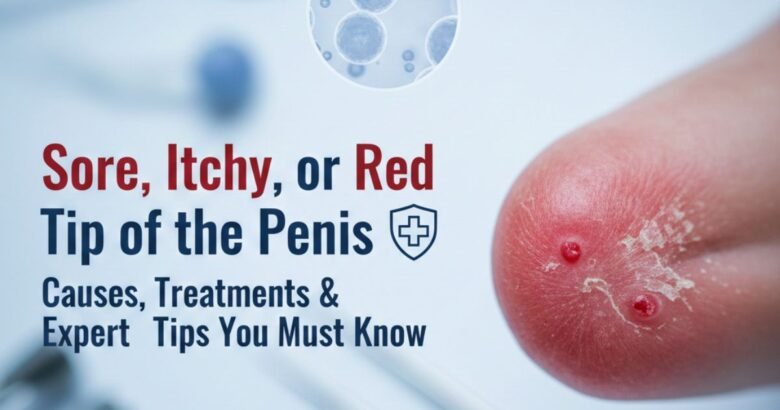
Experiencing soreness, redness, or itching at the tip of the penis can be uncomfortable and worrying. While it’s often caused by minor irritations, it can also signal infections or underlying health issues that need attention. Understanding the causes and effective treatments can help you relieve discomfort quickly and prevent complications. This guide breaks down expert tips, remedies, and when to see a doctor.
Understanding Penile Health: Why It Matters
First things first—why should you care about penile health? Well, your penis isn’t just a body part; it’s a key player in your overall well-being. When something feels off, like redness or irritation, it’s your body’s way of saying, “Hey, pay attention to me!” Ignoring these signs can lead to bigger problems, so let’s tackle them head-on.
What Is Balanitis and How Common Is It?
So, what exactly is balanitis? It’s a fancy Word for inflammation of the head of the penis (also called the glans). It’s more common than you might think, especially in men who aren’t circumcised. Why? Because the foreskin can trap moisture, creating a cozy, tiny home for bacteria and fungi. But don’t panic—balanitis is usually easy to treat and even easier to prevent.
Here’s a quick stat: Up to 10% of men will experience balanitis at some point in their lives. That’s 1 in 10! So, if you’re dealing with it, you’re definitely not alone.
Symptoms and Early Warning Signs
Let’s get real—how do you know if you have balanitis? Here are some common symptoms to watch out for:
- Redness or discoloration on the tip of your penis.
- Itching or irritation that just won’t quit.
- Swelling that makes things feel tight or uncomfortable.
- Discharge that might smell funky (yep, it happens).
- Painful urination or trouble pulling back your foreskin.
If you’re nodding along to any of these, it’s time to take action. The earlier you catch it, the easier it is to treat.
Causes and Risk Factors

Now, let’s talk about what causes balanitis. Spoiler alert: It’s not always about hygiene (though that’s a big part of it). Here are some common culprits:
Poor Hygiene
Not cleaning under the foreskin can lead to a buildup of smegma (a mix of dead skin cells and oils). This creates the perfect environment for bacteria and fungi to thrive.
Infections
Yeast infections, bacterial infections, and even some sexually transmitted infections (STIs) can cause balanitis.
Allergies and Irritants
Sometimes, it’s your soap, laundry detergent, or even latex condoms that are to blame. Your skin might just be saying, “Nope, not for me!”
Underlying Health Conditions
Conditions like diabetes can make you more prone to infections, including balanitis. High blood sugar levels can feed bacteria and fungi, worsening the problem.
Medications
Certain antibiotics or diabetes medications can trigger allergic reactions that lead to balanitis.
How to Prevent Balanitis
Good news: Balanitis is often preventable! Here’s how you can keep things healthy and happy down there:
- Practice Good Hygiene: Wash your penis daily with warm water. If you’re uncircumcised, gently pull back the foreskin and clean underneath. Skip the harsh soaps—they can irritate your skin.
- Stay Dry: After washing, thoroughly dry the area. Moisture is the enemy!
- Choose the Right Products: Use mild, unscented soaps and avoid anything with harsh chemicals.
- Wear Breathable Underwear: Cotton is your best friend. It keeps things cool and reduces sweating.
- Manage Your Health: If you have diabetes, keep your blood sugar levels in check. It makes a huge difference.
Treatment Options
If you’re dealing with balanitis, don’t worry—there are plenty of treatment options. Here’s what you can do:
Over-the-Counter Treatments
Antifungal creams like clotrimazole can work wonders if a yeast infection is the cause. You can find these at your local pharmacy.
Prescription Medications
If it’s a bacterial infection, your doctor might prescribe antibiotics. For severe cases, they might recommend a stronger antifungal or steroid cream.
Home Remedies
- Soak in a warm salt bath to reduce swelling and irritation.
- Apply coconut oil or aloe vera for natural relief (but check with your doctor first).
Surgical Options
In rare cases, if balanitis keeps coming back, your doctor might suggest circumcision or a dorsal slit. But don’t worry—this is usually a last resort.
Complications and When to Seek Help
While balanitis is usually harmless, it can lead to complications if ignored. Here’s what to watch for:
- Phimosis: A tight foreskin that won’t retract.
- Paraphimosis: A trapped foreskin that cuts off blood flow (this is a medical emergency!).
- Chronic Inflammation: Rarely, this can increase the risk of penile cancer.
If you notice severe pain, difficulty urinating, or worsening symptoms, don’t wait—see a doctor ASAP.
FAQs
What causes a sore, red, or itchy penis tip?
Several factors can trigger soreness or redness, including fungal infections like candidiasis, bacterial infections, sexually transmitted infections (STIs), or skin irritation from soaps, detergents, or tight clothing. Allergic reactions to lubricants or latex condoms can also contribute. Sometimes, chronic conditions like eczema or psoriasis may affect the penis. Understanding the exact cause is essential for effective treatment.
How can I relieve the itching and discomfort at home?
Mild irritation can often be relieved by keeping the area clean and dry, avoiding harsh soaps, and wearing loose cotton underwear. Over-the-counter antifungal or soothing creams may help if a fungal infection or irritation is suspected. Applying cold compresses can reduce inflammation temporarily. However, home remedies are only effective for minor causes—persistent or worsening symptoms require professional evaluation.
When should I see a doctor for a sore penis tip?
You should consult a healthcare professional if the soreness or redness persists for more than a few days, worsens, or is accompanied by unusual discharge, foul odor, pain during urination, or sores. Early diagnosis is crucial for infections like STIs or bacterial infections, as prompt treatment prevents complications and spreads to partners.
Can sexually transmitted infections cause redness or soreness?
Yes, STIs such as chlamydia, gonorrhea, genital herpes, or syphilis can lead to redness, itching, sores, or pain at the tip of the penis. If you have engaged in unprotected sexual activity or notice other symptoms like discharge, fever, or swollen lymph nodes, it is vital to get tested immediately. Early treatment can prevent long-term health issues.
How can I prevent recurring irritation or infections?
Good hygiene is key—wash the penis gently with mild, fragrance-free soap and water. Avoid sharing towels or personal items, wear breathable underwear, and change out of wet clothing promptly. Using protection during sexual activity reduces the risk of STIs, and being cautious with new soaps, detergents, or lotions helps prevent allergic reactions. Regular check-ups can also detect early signs of infections.
Conclusion
A sore, itchy, or red penis tip is more common than many think, and it can arise from simple irritations, infections, or skin conditions. Identifying the root cause early is crucial for effective treatment and faster relief. Maintaining proper hygiene, avoiding irritants, and seeking timely medical advice are key steps to prevent recurring discomfort. With the right care and awareness, most cases are easily treatable at home or with medical support. Don’t ignore persistent symptoms—addressing them promptly can protect both your health and peace of mind.