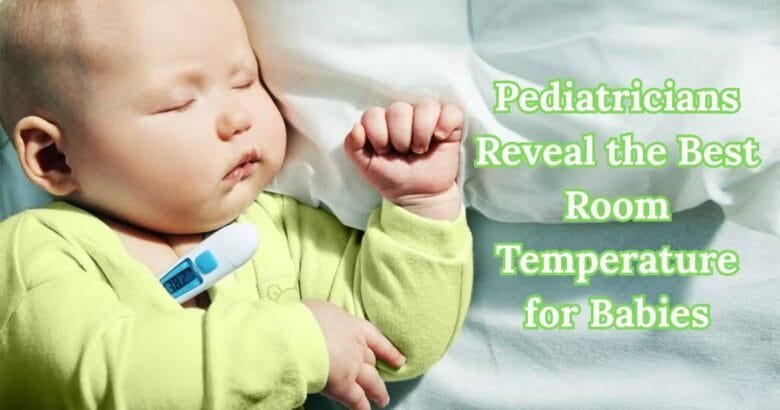
Maintaining the right room temperature for babies is essential for safe and comfortable sleep. Babies are less able to regulate their body temperature, and a room that is too hot or too cold can disturb sleep and increase discomfort. A balanced sleep environment helps babies rest better and reduces the risk of overheating.
Most experts recommend keeping a baby’s room at a comfortable, well-ventilated temperature, often between 20–22°C (68–72°F). Dressing babies appropriately for the room, using breathable bedding, and monitoring for signs of overheating or cold can help ensure a safe and restful sleep throughout the night.
What Is the Ideal Room Temperature for Babies?
Finding the perfect baby sleep temperature can feel like a mystery, but it is actually quite simple. Experts agree that the sweet spot for a safe nursery temperature is between 20 and 22 degrees Celsius. That is about 68 to 72 degrees Fahrenheit. This range is not just about comfort; it is about creating the safest possible environment for your little one to rest and grow.
Think of it like this: if you walk into the room wearing light indoor clothing and feel comfortable, not too warm or too cool, then the temperature is probably just right for your baby too. It is a simple check that can give you peace of mind.
Why Babies Need a Different Temperature Than Adults
You might love to bundle up under a heavy blanket, but your baby is a bit different. Newborns and young infants have a harder time telling their bodies when to cool down or warm up. Their internal thermostat is still under construction. If they get too hot, they might not be able to cool themselves down effectively, which can be risky.
Sticking to the 20 to 22 degrees Celsius range helps their little bodies stay just right without working overtime. This ideal room temperature for baby sleep supports longer, more restful naps and nighttime sleep. It also helps reduce the risk of health issues, making sure your baby is safe and sound while they dream.
Why Is Room Temperature Crucial for Baby Sleep?
A comfortable room temperature does more than just keep your baby from feeling too hot or cold; it plays a huge role in how well they sleep. When the baby sleep temperature is just right, your little one can drift off to dreamland more easily and stay asleep for longer stretches. This means more restful nights for them and for you.
Think about it, if you’re tossing and turning because you’re sweating or shivering, you’re not getting good quality sleep. The same is true for babies. A stable and safe nursery temperature helps them relax and get the deep sleep they need to grow strong and healthy. It’s one of the simplest ways to improve their sleep patterns.
The Link Between Overheating and SIDS
This is a serious topic, but it is one every parent should know about. One of the most important reasons to manage room temperature is to reduce the risk of Sudden Infant Death Syndrome, or SIDS. Studies have shown that babies who get too hot while sleeping are at a higher risk.
When a room is too warm, or a baby is dressed in too many layers, they can overheat. This can make it harder for them to wake up if they need to, which is a scary thought. By keeping the room cool and dressing your baby lightly, you create a safer sleep environment. Understanding how temperature affects baby sleep is a key part of protecting your precious child.
How to Monitor and Maintain the Right Temperature
Keeping your baby’s room at the perfect temperature might sound like a big job, but with a few simple tools and tricks, it becomes second nature. You do not need expensive gadgets to create a safe sleep space; you just need to know what to look for.
Using Room Thermometers: A Step-by-Step Guide
The best way to know exactly how warm or cool the room is involves using a room thermometer. Relying on guesswork can be tricky because what feels cold to you might be just right for your little one. A digital thermometer is a great choice because it gives you a clear number instantly.
Place the thermometer near the crib but away from direct sunlight or drafts from windows. This helps you get an accurate reading of the safe nursery temperature right where your baby sleeps. Checking it before naps and bedtime will help you decide if you need to adjust the fan or add a light blanket.
Affordable Temperature Regulation Solutions for Pakistani Homes
Living in Pakistan means dealing with some serious heat in the summer and chilly nights in the winter. Luckily, there are affordable ways to regulate baby room temperature without spending a fortune on electricity.
In the hot summer months, keep the curtains closed during the day to block out the harsh sun. This keeps the room naturally cooler. At night, a simple ceiling fan can work wonders to keep the air moving. If you use air conditioning, aim for a setting around 26 degrees Celsius and use a fan to circulate that cool air gently.
The Role of Air Conditioning, Fans, and Heaters
When winter arrives, keeping the room warm safely is the goal. If you use a heater, warm up the room before putting your baby down to sleep, and then turn it off or set it to a low thermostat setting. Never place a heater close to the crib.
For those in between seasons, simply opening a window for fresh air can help maintain a comfortable environment. Learning how to monitor baby room temperature and adjust your home’s cooling or heating devices ensures your baby stays cozy and safe all year round.
Dressing Your Baby for the Perfect Sleep
Once you have the room temperature sorted, the next step is dressing your baby for a perfect night’s sleep. The right clothes act like a personal thermostat, helping your little one stay comfortable without overheating. The golden rule is to dress your baby in one light layer more than what you would comfortably wear in the same room.
What Are TOG Ratings, and Why Do They Matter?
You might see “TOG ratings” on baby sleep bags or swaddles. It sounds technical, but it is just a simple way to measure warmth. A lower TOG number means the fabric is lighter and cooler, while a higher number means it is thicker and warmer. For example, a 1.0 TOG sleep bag is great for a standard room temperature of 20 to 22 degrees Celsius.
Using a sleep bag is often safer than using loose blankets, as it removes the risk of a blanket covering your baby’s face. The TOG rating helps you pick the right one for the season, taking the guesswork out of dressing your baby for sleep.
Seasonal Dressing Tips: Summer vs. Winter in Pakistan
Pakistan’s climate means your baby’s wardrobe needs to change with the seasons. These seasonal dressing tips for babies can help.
For our hot and humid summers, a single layer is usually enough. A light cotton onesie or a short-sleeved bodysuit is perfect. If the room is air-conditioned and feels a bit cool, you can use a sleep bag with a very low TOG rating, like 0.5.
In the chilly winter months, you will need to add more layers. Start with a long-sleeved bodysuit and then add a warmer sleepsuit on top. A sleep bag with a higher TOG rating, such as 2.5, can provide extra warmth and keep your baby snug all night long without the need for heavy blankets.
Signs Your Baby Is Too Hot or Too Cold
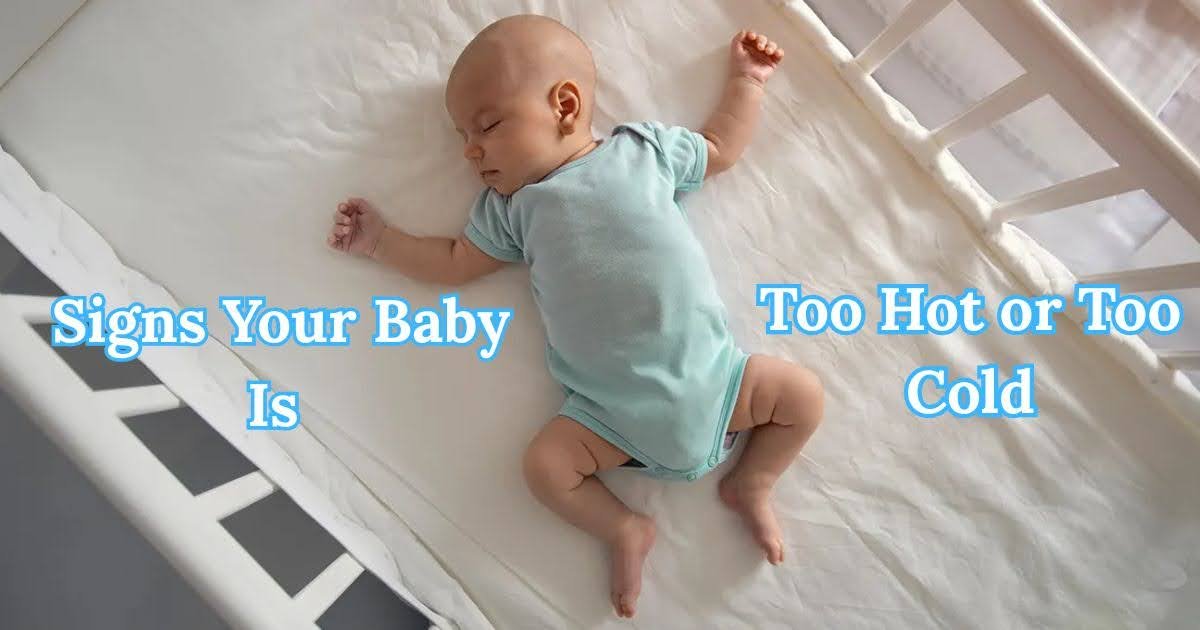
Babies can’t tell you if they’re feeling too warm or a bit chilly, but they give little clues. Learning to spot these signs helps you ensure they are always comfortable and safe. Knowing how to check your baby’s comfort level is a skill that brings great peace of mind.
How to Check Your Baby’s Comfort Level
The easiest way to check if your baby is at a good temperature is to feel the back of their neck or their tummy. These areas give you a true sense of their core body temperature. Don’t worry if their hands and feet feel cool; that’s completely normal because their circulation is still developing.
If their neck or tummy feels hot or sweaty, your baby is likely too warm. If it feels cool to the touch, they might need an extra layer. This simple check takes just a few seconds and is one of the most reliable ways to know if you need to make a change.
What to Do If Your Baby Is Overheating or Chilly
Recognizing the signs your baby is too hot or too cold is the first step. The next is knowing what to do about it.
If you notice signs of overheating like flushed cheeks, damp hair, or a heat rash, it’s time to cool them down. Remove a layer of clothing or their sleep bag. You can also try to lower the room temperature by turning on a fan or adjusting the air conditioner.
If your baby seems chilly, the solution is just as simple. Add a light layer of clothing, like putting a sleepsuit over their bodysuit. Adjusting the baby’s environment for sleep might also mean closing a window to stop a draft. These quick adjustments will help your little one get back to a comfortable and safe temperature for sleeping soundly.
What Are the Risks of Extreme Temperatures for Babies?
We have talked a lot about keeping your baby cozy, but understanding why it is so important helps you make the best choices. Extreme temperatures, whether too hot or too cold, can be dangerous for little ones. Their bodies are small and still learning how to handle the world around them, so they need extra protection from us.
Health Risks of Overheating and Cold Exposure
The biggest worry when a room gets too hot is the risk of overheating. This is not just about your baby getting sweaty or having flushed cheeks. The risks of overheating for babies include dehydration and heat rash, which can be very uncomfortable. More seriously, when a baby gets too hot, they fall into a very deep sleep. This deep sleep makes it hard for them to wake up if something is wrong, which increases the chance of SIDS.
On the other hand, a room that is freezing cold has its own set of problems. Cold exposure and baby health are linked because when a baby is chilly, their body has to work extra hard just to stay warm. Instead of using their energy to grow and get strong, they use it to fight the cold. This can make them more likely to get sick because their little systems get tired out.
The Impact of Extreme Temperatures on Newborns
In Pakistan, where summer days can be scorching and winter nights surprisingly frosty, these risks are real. Knowing how temperature impacts baby sleep is key. If a baby is too hot or too cold, they will likely wake up crying or be fussy, meaning poor sleep for everyone. But by keeping the room in that safe zone, you protect their health and help them save their energy for the important stuff, like growing, learning, and playing.
Practical Tips for Regulating Room Temperature
Keeping your baby’s room comfortable does not have to be complicated or expensive. With a bit of creativity, you can find affordable ways to regulate baby room temperature. These practical tips are perfect for handling the unique weather challenges we face in Pakistan, from intense summer heat to chilly winter nights.
How to Create a Comfortable Sleep Environment Without Breaking the Bank
During our scorching summers, keeping a room cool can be tough, especially with load shedding. Start by blocking out the sun. Use thick curtains or blinds during the hottest parts of the day to keep the room from heating up. At night, a simple cross-breeze can work wonders. If it is safe, open windows on opposite sides of the room to let the air flow through.
For chilly winters, focus on keeping warmth inside. Place a rolled-up towel or a draft stopper at the bottom of the door to block cold air from getting in. You can also lay down a thick rug or carpet on the floor, which adds a layer of insulation and keeps the room feeling much warmer.
Eco-Friendly and Sustainable Solutions for Baby Rooms
You can also find great eco-friendly baby sleep solutions that are kind to the planet and your wallet. For example, instead of running the air conditioner on full blast, use a ceiling fan to circulate the air. It uses much less electricity and can make a room feel several degrees cooler.
Another simple trick is to place a bowl of ice in front of a fan. The air will blow over the ice, creating a cool mist that gently lowers the room temperature. These small, practical tips for baby room temperature help you create a safe and cozy space for your little one to sleep peacefully.
Conclusion
Maintaining the right room temperature is key to your baby’s comfort, safety, and healthy sleep. Keeping the nursery between 68–72°F (20–22°C), using a thermometer, and adjusting clothing or blankets appropriately ensures a cozy and safe environment. Proper temperature management helps your baby sleep peacefully while reducing health risks associated with overheating or cold exposure.
FAQs
What is the ideal room temperature for babies?
The recommended room temperature for babies is 68–72°F (20–22°C) to keep them comfortable and safe during sleep.
Can a baby sleep in a room that is too hot or cold?
Yes, extreme temperatures can affect sleep quality. Overheating increases SIDS risk, while a cold room may cause restlessness or discomfort.
How can I measure the nursery temperature?
Use a reliable room thermometer near the baby’s crib to monitor temperature consistently.
Should I use a fan or heater in the baby’s room?
Fans or heaters are okay if they maintain a steady temperature and do not blow directly on the baby. Avoid extreme heat or cold drafts.
How does room temperature affect a baby’s sleep?
A comfortable temperature helps babies sleep longer, stay calm, and avoid overheating or shivering, promoting healthy rest and growth.