
Most toddlers drop their final nap between 3 and 5 years old, though the exact timing varies by child. As toddlers grow, they can stay awake longer without becoming overtired, and nighttime sleep becomes more consolidated. Signs like nap resistance, late bedtimes, or skipped naps without meltdowns often signal it’s time for this transition. Understanding when and how to drop the last nap can help maintain healthy sleep routines and smoother days.
Why Understanding Toddler Sleep is Crucial
Navigating the world of toddler sleep can feel like trying to solve a puzzle. One day they are napping perfectly, and the next, they are fighting sleep with all their might. It is a journey filled with questions, and you are not alone in seeking answers. Understanding your toddler’s sleep patterns is one of the most important things you can do for their happiness and well-being. It is about more than just getting a quiet moment for yourself; it is about supporting their incredible growth.
The Big Role of Naps in a Little One’s Life
For a toddler, naps are not just a break in the day. They are a powerhouse for development. A good nap helps your little one recharge their batteries, making them happier and more playful in the afternoon. Think of it as a reset button that helps them process all the new things they are learning. From building block towers to learning new words, sleep helps cement those memories. Good toddler nap schedules are the secret ingredient to a cheerful, thriving child.
As they grow, their sleep needs change, and that includes their daytime rest. The journey from multiple naps to just one, and then eventually to none, is a major milestone. This guide is here to walk you through every step of that transition, making it a smooth and tear-free experience for everyone. We will explore why naps are so beneficial and help you figure out exactly when your child might be ready to move on from them.
When Do Toddlers Stop Napping?
One of the biggest questions on every parent’s mind is, “When do kids stop napping?” It is a huge milestone, and knowing what to expect can bring a lot of comfort. There is no magic age, as every child is a unique little person on their own schedule. However, there are some common patterns that can help you understand what is coming. Watching for these clues can help you prepare for the next chapter in your toddler’s sleep journey.
Typical Age Ranges for Dropping Naps
Most children begin the process of dropping their final nap somewhere between the ages of 3 and 4. You might notice your 3-year-old sleep schedule starting to change, with naps getting shorter or happening less often. By the time they turn 5, the vast majority of kids have said goodbye to their afternoon snooze. It is very rare for a child to stop napping before their second birthday. So, if your 2-year-old is still a solid napper, that is perfectly normal. This gradual shift is a natural part of growing up.
What Science Says About Early Nap Cessation
Researchers who study sleep have looked into this topic, a process they call early nap cessation. Their findings confirm what many parents see firsthand. They found that a child’s development and their environment both play a part. For example, kids who are hitting their developmental milestones a bit quicker might be ready to stop napping sooner. This transition is not just about age; it is about your child’s individual growth. Understanding this can make the move away from daytime sleep feel less like a mystery and more like an exciting new step.
How to Tell If Your Toddler is Ready to Stop Napping
Figuring out if your little one is truly ready to say goodbye to naps can feel like a guessing game. Is it a phase, or is it time for a real change? Learning how to tell if your child is ready to stop napping is about becoming a bit of a detective. By watching for a few clear clues, you can solve the mystery and make the right choice for your family. This will help you know if it’s time to start a quiet time transition.
Key Signs Your Toddler is Ready
Look out for these signs that your toddler is ready to stop napping. If you see them happening consistently for a couple of weeks, it might be time.
- They fight naptime. If putting them down for a nap turns into a long, drawn-out battle every single day, it could be a sign.
- They have trouble sleeping at night. If your toddler takes a nap and then is wide awake past their bedtime, the daytime sleep might be interfering.
- They are happy without a nap. If they miss a nap but are still cheerful and energetic all afternoon, they may not need it anymore.
- Naps are becoming very short. If their long afternoon naps have turned into brief 20-minute rests, their need for daytime sleep could be shrinking.
Common Misconceptions About Nap Refusal
Sometimes, what looks like a readiness to stop napping is actually something else. A toddler sleep regression, for example, can cause a sudden refusal to nap. This is often temporary and linked to big developmental leaps. Before you decide to drop the nap completely, consider if your child is just going through a short phase. They might still need their rest, but are just too excited about their new skills to want to sleep. Patience during these times is key to understanding their true sleep needs.
The Benefits of Naps for Toddlers
We often think of naps as just a break for tired parents, but they are actually super important for your little one. Napping is like giving their brain a fresh drink of water. It helps them reset and get ready for more fun. When you understand the benefits of naps for toddlers, it makes prioritizing that midday rest feel even more special.
Cognitive, Emotional, and Physical Benefits
Think about how you feel after a bad night of sleep. You probably feel grumpy and slow, right? Toddlers feel the exact same way. Daytime sleep in children plays a huge role in keeping their minds sharp. When they nap, their brains are busy organizing everything they learned that morning. It helps them remember new words, solve puzzles, and even understand feelings better.
Emotionally, a well-rested child is a happy child. Skipping a nap can lead to meltdowns because their little bodies run out of fuel. Physically, naps give their muscles and bones a chance to rest and grow. It is amazing how much work their bodies do while they are dreaming.
How Naps Impact Behavior and Learning
Have you ever noticed that your toddler acts differently when they miss a nap? That is because sleep and behavior go hand in hand. A rested toddler is more patient and listens better. They are less likely to throw a tantrum over a broken cracker. This makes the day smoother for everyone.
Naps also boost learning. When a child sleeps, their brain locks in new skills. So, if they learned how to stack blocks in the morning, a nap helps them do it even better in the afternoon. It is like magic happening while they snooze. Keeping consistent toddler nap schedules ensures they get these amazing boosts every single day. It sets them up for success, making them eager to explore and learn about the world around them.
Transitioning from Naps to Quiet Time
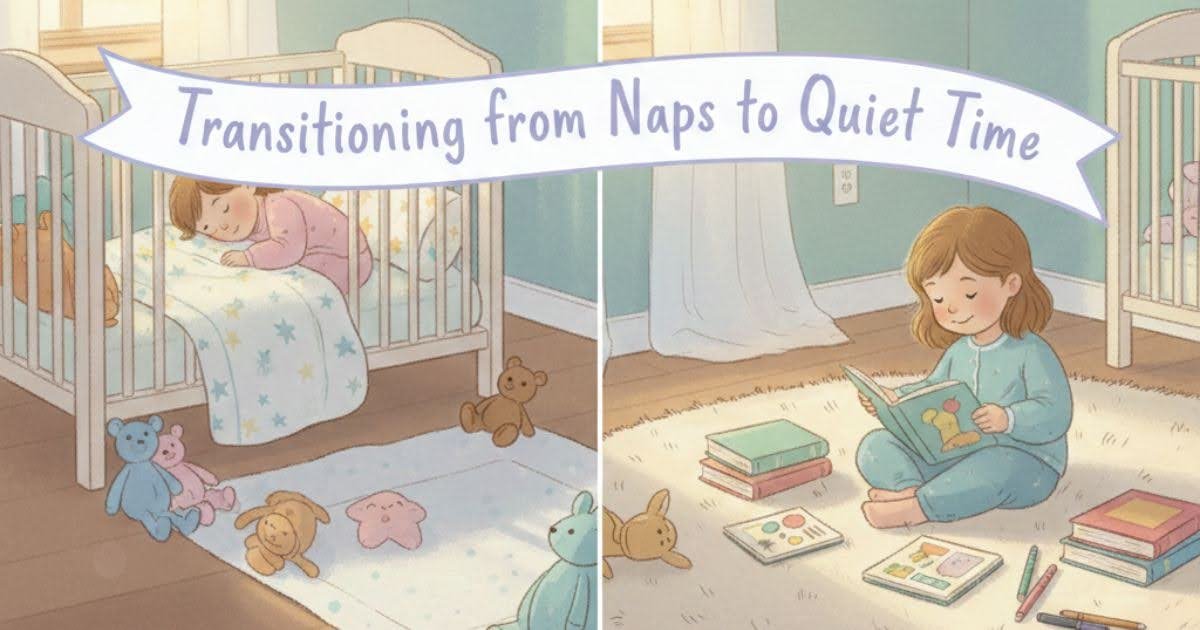
When your toddler starts dropping their nap, it does not mean you lose that precious midday break. Instead, you can introduce a wonderful new routine: quiet time. This quiet time transition is a fantastic way to ensure your child still gets a chance to rest their body and mind, even if they are not sleeping. It is all about swapping nap time for a calm, independent play session.
How to Create a Quiet Time Routine
The key to a successful quiet time is making it a predictable part of your day. Start by explaining to your little one that they will have special time in their room to play with calm toys. You can use a visual timer or an okay-to-wake clock so they know when quiet time is over. Begin with just 15 minutes and slowly work your way up to about an hour. This helps them get used to the idea without feeling overwhelmed. A consistent routine cues their brain that it is time to wind down.
Activities to Keep Your Toddler Engaged
The magic of quiet time lies in the activities you choose. You will want to offer things that are engaging but not so exciting that they get hyper. Think of puzzles, board books, coloring with mess-free markers, or building with blocks. Some parents create a special “quiet time box” filled with toys that only come out during this part of the day. This makes the experience feel like a treat. Learning how to transition from nap to quiet time is a journey, and finding the right activities is a huge part of making it a joyful one.
How to Handle Nap Refusals
It can be really frustrating when you know your little one is tired, but they just refuse to sleep. You might feel like pulling your hair out when nap time turns into a battle zone. Do not worry because nap refusals are a very normal part of toddler life. Dealing with a toddler who will not nap takes patience and a few clever tricks up your sleeve.
Why Toddlers Refuse Naps and What to Do
There are many reasons why your child might skip their snooze. Sometimes, they are just having too much fun playing and do not want to miss out. Other times, they might be going through a sleep regression, which is a temporary bump in the road where sleep gets tricky. If your toddler is overtired, they might actually have a harder time falling asleep because their body is full of energy hormones.
To help them settle down, try to keep the mood calm before nap time. Dim the lights and read a quiet story together. Stick to a solid routine so their body knows sleep is coming. If they still refuse, try not to stress. You can tell them they do not have to sleep, but they do need to rest their body. This takes the pressure off and sometimes leads to sleep anyway.
Tips for Encouraging Restful Downtime
If sleep just is not happening, restful downtime is the next best thing. This is a lot like quiet time but focused on relaxation. Encourage your child to lie on their bed with a soft toy or look at books quietly. You can play gentle music or an audio story to help them relax.
Even if they do not close their eyes, 30 minutes of lying still can recharge their batteries. It gives their brain a break from all the busy learning they do. By offering this calm space, you are teaching them how to rest, which is a skill they will use forever. Remember, handling nap refusals is about staying calm and flexible. You are doing a great job guiding them through this tricky stage.
Adjusting Bedtime After Dropping Naps
Once your toddler drops their nap, you might notice they turn into a pumpkin a little earlier than usual. That is totally normal. Their bodies are working hard to adjust to a new routine, and they will need some extra help getting enough rest. Adjusting bedtime after dropping naps is a simple but powerful way to keep your little one happy and prevent those dreaded evening meltdowns.
How to Shift Bedtime for Better Nighttime Sleep
When your toddler stops napping, they will likely need to go to bed earlier. Think about moving their bedtime up by about 30 to 60 minutes. This helps make up for the sleep they are no longer getting during the day. For example, if their bedtime was 8:00 PM, try putting them to bed around 7:00 or 7:30 PM. This earlier bedtime prevents them from becoming overtired, which can surprisingly make it harder for them to fall asleep.
Pay close attention to their sleepy cues, like yawning or rubbing their eyes. These are your signals that it is time to start the bedtime routine. During this transition period, you might need to be flexible. Some days they might need an even earlier night. It is all about listening to their body’s needs.
The Importance of Consistent Sleep Schedules
Even though you are changing bedtime, keeping a consistent schedule is more important than ever. A predictable routine helps your child feel secure and signals to their body that sleep is on the way. Stick to your usual bedtime rituals, like a warm bath, storytime, and cuddles. These familiar steps create a sense of calm and make it easier for them to wind down.
Following consistent sleep schedules helps regulate their internal clock. This ensures they get the right amount of nighttime sleep to support their growth and development. By adjusting bedtime and sticking to your routine, you are setting your toddler up for sleep success and making this big transition a whole lot smoother for everyone.
Conclusion
Toddlers typically drop their final nap as their sleep patterns mature, usually between ages three and five. Paying attention to sleep cues, adjusting bedtime, and offering calm daytime rest can make this transition smoother. With patience and consistency, most toddlers adapt well and continue to get the rest they need for healthy growth and development.
FAQs
At what age do toddlers usually drop their final nap?
Most toddlers drop their final nap between 3 and 5 years old, though some may stop earlier or later depending on their sleep needs.
What are the signs that a toddler is ready to stop napping?
Common signs include resisting naps, taking a long time to fall asleep at night, bedtime battles, or staying energetic throughout the day without becoming overtired.
Is it okay if my toddler still needs a nap after age four?
Yes, every child is different. Some toddlers still benefit from a short nap or quiet rest time even after age four.
How can I ease the transition when my toddler stops napping?
Gradually shorten naps, move bedtime earlier, and introduce quiet time during the day to help prevent overtiredness.
Will dropping the final nap affect nighttime sleep?
Initially, bedtime may need adjusting, but most toddlers eventually sleep longer at night once their body adapts to the new routine.