Deciding when babies should sleep in their own room is a major milestone for parents and infants alike. Experts often recommend waiting until a baby is between 4 to 6 months old, when they are more capable of sleeping safely through the night and parents feel comfortable with reduced proximity.
Transitioning a baby to their own room can improve sleep quality for both baby and parents, support healthy sleep habits, and foster independence. Knowing the signs your baby is ready, creating a safe sleep environment, and gradually adjusting routines can make this transition smoother and more comfortable for everyone.
When Should Your Baby Sleep in Their Own Room? A Practical Guide
Every parent knows the feeling. You are lying in bed, exhausted, staring at the ceiling. In the bassinet next to you, your little one makes a tiny squeak. You freeze. Are they waking up? Should you check? Or perhaps you are the one waking them up with a cough or the rustle of your sheets. It is the classic struggle of new parenthood: balancing the deep need to keep your baby close with the desperate need for a good night of sleep.
Deciding when to move a baby to its own room is one of the biggest debates in parenting circles. It feels like everyone has an opinion, from your mother-in-law to the lady at the grocery store. But the truth is, there is no single magic date that works for every family. It is a balancing act between safety guidelines, your baby’s development, and your own sanity.
Balancing Safety with Sleep
You want to do everything right. You have read about safe sleep guidelines AAP provides, and you know that room sharing with babies is recommended to keep them safe. But you also know that sleep deprivation is real and it is hard. When you are running on empty, being the best parent you can be feels almost impossible.
This guide is here to help you navigate this tricky transition. We will walk you through the official recommendations so you understand the “why” behind the rules. We will also help you spot the signs that your little one is ready for a baby sleep transition. Whether you are thinking about moving the bassinet down the hall or setting up a full-size crib, we have a plan to make it smoother for both of you.
What You Will Learn
We are going to cover everything you need to know to make this move with confidence. We will talk about SIDS safety, developmental readiness, and how to actually handle the logistics of a baby sleeping in its own room. By the end of this article, you will have a clear path forward that prioritizes safety while helping everyone in the house get a little more rest. Let’s get started.
Understanding the Official Safety Guidelines
When you become a parent, safety is the number one thing on your mind. You just want your little one to be okay. This is why it is so important to understand the official rules before you decide to move your baby down the hall. Let’s break down the advice from the experts so you can feel confident in your choices.
The AAP Recommendation: 6 to 12 Months Explained
The American Academy of Pediatrics, or AAP for short, has some very clear advice on this topic. They suggest that you keep your baby in your room for at least the first 6 months, and ideally for a full year. This is primarily for SIDS risk reduction. SIDS stands for Sudden Infant Death Syndrome, which is a scary thought for any mom or dad. The doctors say that room sharing with babies can lower this risk significantly.
It is important to know the difference between room sharing and bed sharing. AAP room sharing recommendations mean your baby sleeps in their own crib or bassinet, right next to your bed. They are close enough for you to hear them and comfort them, but they have their own safe space. This setup helps you keep a close watch on them during those fragile first months without the dangers of sharing the same mattress.
Beyond Safety: The Benefits of a Shared Room
While safety is the main reason to keep your baby close, there are other perks too. Think about those 2 a.m. feedings. When your baby is right next to you, you can scoop them up, feed them, and put them back down without even walking across the cold floor. This convenience can be a lifesaver when you are exhausted.
Sharing a room also helps with bonding. Hearing your baby’s gentle breathing can be incredibly soothing. It helps you tune in to their needs and learn their little noises. Plus, many parents find they just sleep better knowing their baby is within arm’s reach. While the benefits of room sharing are clear for safety, they also help build that special connection between you and your new arrival in the early days.
Is My Baby Ready? 5 Key Signs to Look For
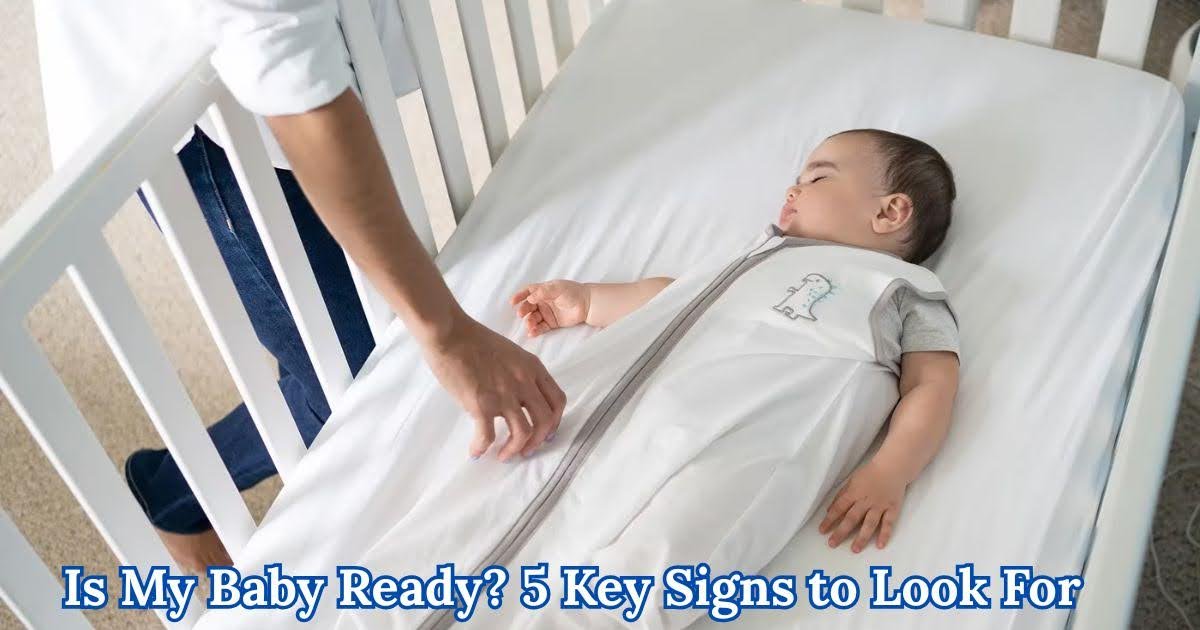
Deciding to move your little one is a big step. You might be asking yourself, how to tell if a baby is ready for its own room? It is not just about a calendar date. Every child is different. While the doctors give us guidelines, you also need to look at your unique situation. Here are some clear signs that it might be time for a change.
Developmental Milestones: More Than Just Age
Watch what your baby is doing. Are they starting to roll over? This is a huge milestone. Once they can roll, they need more space to move safely. A small bassinet might become too cramped. If your baby is bumping into the sides or looking uncomfortable, they might need the freedom of a full-size crib. Also, check their weight and height. If they have outgrown the limits of their bassinet, a transition baby to crib is necessary for safety.
Sleep Consolidation: Connecting the Dots
Remember those early days when your baby woke up every two hours? If those days are fading, pay attention. When your baby starts connecting their sleep cycles and sleeping for longer stretches, say 5 or 6 hours at a time, they might be ready for more independence. This creates sleep consolidation. It means they do not need you to soothe them as often during the night. If they can self-soothe by sucking on their fingers or finding a comfy spot, they are showing you they can handle being on their own.
Your Family’s Well-being
Be honest with yourself. Is room sharing with a baby actually hurting everyone’s sleep? Sometimes, we are the problem. You might sneeze, turn over in bed, or creak a floorboard, and suddenly the baby is wide awake. On the flip side, babies are noisy sleepers. They grunt and squeak all night. If every little noise wakes you up, you are suffering from serious sleep deprivation. When nobody in the house is getting good rest, it affects your mood and your patience. If your closeness is causing more wake-ups than comfort, it might be time to reclaim your space for the sake of everyone’s health.
Prepping for the Big Move: Setting Up the Nursery for Success
Once you have decided to make the move, it is time to get the new room ready. Think of it as creating a cozy little nest for your baby. Your goal is to make the nursery a safe and welcoming space that tells your little one, “This is a great place to sleep.” Preparing the room ahead of time can make the actual baby sleep transition feel much less stressful for everyone involved.
Creating the Optimal Sleep Environment
To help your baby sleep soundly, you want to control the light and sound. Blackout curtains for nursery are a game-changer. They make the room dark and signal that it is time to rest, even if the sun is still out. A white noise machine is another must-have. It can drown out sudden noises like a dog barking or a sibling playing, which can startle a baby awake. And for your own peace of mind, a good video baby monitor allows you to peek in on your little one without opening the door and risking a wake-up.
What is the Ideal Nursery Temperature for Safe Sleep?
This is a question many parents worry about, and for good reason. You do not want your baby to be too hot or too cold. The sweet spot for the nursery temperature for sleeping babies is between 68 and 72 degrees Fahrenheit. Instead of using loose blankets, which are not safe, dress your baby in a sleep sack. You can find them with a TOG rating, which tells you how warm they are. This makes it easy to choose the right one for the room’s temperature and ensures your baby stays comfortable all night.
Making the Room a Happy Place
Before you even attempt a nap in the new room, you need to build some positive feelings. Spend some fun, awake time in the nursery every day. Play on the floor, read stories in the glider, and do diaper changes there. When your baby sees that their room is a happy place for snuggles and play, they will feel more secure when it is time to sleep there. This helps them understand that the room is a safe, familiar spot, not a scary new one.
The Transition Plan: Gradual vs. Cold Turkey
So, you have set up the nursery, bought the cute sheets, and checked the temperature. Now comes the million-dollar question: how do you actually get your baby to sleep in there? Do you rip off the band-aid or take baby steps? There is no wrong answer here, only what works best for your family. Let’s look at the two main ways to handle the baby sleep transition.
The Gradual Approach: Starting with Naps
If the idea of a sudden switch makes you or your baby nervous, the gradual method is perfect. Think of it as dipping your toes in the water before jumping in. Start by having your baby take just the first nap of the day in their new crib. Once they are used to that, add the second nap. Keep going until all naps happen in the nursery.
This slow and steady pace helps your baby get used to the sights and smells of their new room while the sun is still up. It feels less scary than waking up alone in the dark right away. Once daytime sleep is going well, you can try the big step: nighttime sleep. This method takes a bit more time, but it can be much gentler on everyone’s nerves.
The All-in-One Method: Making the Switch in One Go
Some parents prefer the “cold turkey” approach. This means one night, you just decide: “Tonight is the night!” You do your usual bedtime routine, but instead of the bassinet, you put your baby down in their crib. Surprisingly, many babies handle this better than their parents do.
This method often works well for younger babies who are less set in their ways or for easy-going temperaments. It is faster, and it rips the band-aid off so you can all settle into the new normal quickly. If you choose this route, just be consistent. Going back and forth between rooms can be confusing for your little one.
Managing Separation Anxiety
Let’s be honest: separation anxiety at night is real, and it affects parents just as much as babies. It is normal to feel a little panic when you walk away from that crib. For your baby, a consistent routine is the best comfort. Knowing what comes next makes them feel safe. For you, trust your video baby monitor. It lets you keep a close eye on them without hovering. If you find yourself checking the screen every two minutes, take a deep breath. You are doing a great job teaching them to be independent sleepers.
Conclusion
Moving your baby to their own room is an important step for independence and better sleep for the whole family. By waiting until your baby is ready, establishing a consistent bedtime routine, and ensuring a safe sleep environment, the transition can be smooth and stress-free. With patience, supportive strategies, and monitoring tools like baby monitors, both baby and parents can enjoy more restful nights.
FAQs
At what age can a baby sleep in their own room?
Experts generally recommend moving a baby to their own room between 4–6 months, once they can sleep safely without constant monitoring.
Is it safe for a newborn to sleep in their own room?
For the first 3–4 months, it’s safest for babies to sleep in the parents’ room in a crib or bassinet to reduce the risk of SIDS.
How can I help my baby adjust to sleeping alone?
Create a consistent bedtime routine, use white noise, maintain a comfortable sleep environment, and gradually reduce nighttime soothing to help them adapt.
Should I use a baby monitor when they sleep in their own room?
Yes, a baby monitor gives parents peace of mind and allows quick response if the baby wakes or needs attention.
How do I know my baby is ready to sleep independently?
Signs include longer sleep stretches, ability to self-soothe, and showing comfort with short periods alone. Every baby develops at their own pace.