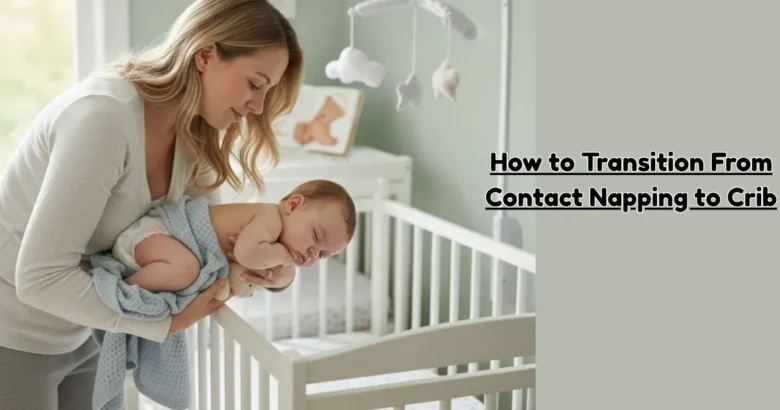
To transition from contact napping to the crib, start slow and keep it gentle. First, create a simple nap routine (feed, cuddle, sleep) so your baby knows what to expect. Once your baby is calm and drowsy but not fully asleep, place them in the crib. This helps them learn to fall asleep independently. Begin …

Contact naps are when a newborn sleeps while held close to a parent or caregiver, usually on the chest or in the arms. These short, cozy naps help babies feel safe, boost bonding, and make it easier for them to fall asleep peacefully. For many parents, contact naps are a gentle way to soothe and …

Bringing a newborn home comes with many decisions, and choosing where your baby should sleep is one of the most important ones. Many new parents wonder whether a bassinet is truly necessary or just another baby product. Bassinets are designed specifically for newborns and offer convenience, safety, and closeness during the early weeks. However, they …

Managing a catnapping baby can be exhausting, especially when short naps lead to an overtired, fussy baby throughout the day. Catnapping is common in early infancy as babies adjust to sleep cycles, but without the right support, it can disrupt both daytime routines and nighttime sleep. Helping a baby move beyond catnaps often involves adjusting …

If your baby wakes up every two hours, you’re not doing anything wrong, it’s actually very common. Frequent waking is often linked to a baby’s short sleep cycles, hunger, growth spurts, or the need for comfort and reassurance. Newborns especially wake often because their stomachs are small and their sleep patterns are still developing. Understanding …

Understanding Newborn Sleep Patterns Newborns exhibit unique sleep patterns that differ significantly from those of older children and adults. Typically, a newborn sleeps between 14 and 17 hours a day, though this can vary widely. Sleep is vital for the development of a baby’s brain and body, contributing to their overall health. A newborn’s sleep …