
Contact naps aren’t just cozy moments; they’re packed with real benefits for both babies and parents. When your baby sleeps on your chest or in your arms, it helps them feel safe, calm, and deeply connected to you. From better sleep and reduced crying to strong emotional bonding and healthy brain development, the benefits of …

Learning how to get a baby to sleep in a cot can feel challenging, especially if your baby is used to being held or co-sleeping. Establishing a consistent bedtime routine, creating a calm sleep environment, and placing your baby in the cot when they are drowsy but awake can help build healthy sleep habits over …

Deciding when babies should sleep in their own room is a major milestone for parents and infants alike. Experts often recommend waiting until a baby is between 4 to 6 months old, when they are more capable of sleeping safely through the night and parents feel comfortable with reduced proximity. Transitioning a baby to their …

Struggling to get your baby to nap peacefully? Many parents turn to contact naps letting their little one sleep on their chest or in their arms for comfort and connection. These close, cozy moments often feel like the easiest way to soothe a fussy baby. But are contact naps actually good for your baby’s development …
You’ve been there. After an hour of rocking, shushing, and swaying, your baby is finally asleep in your arms. You tiptoe to the crib, execute a flawless, ninja like transfer, and hold your breath. The second their back touches the mattress, their eyes ping wide open. It’s a frustrating cycle that leaves many exhausted parents …
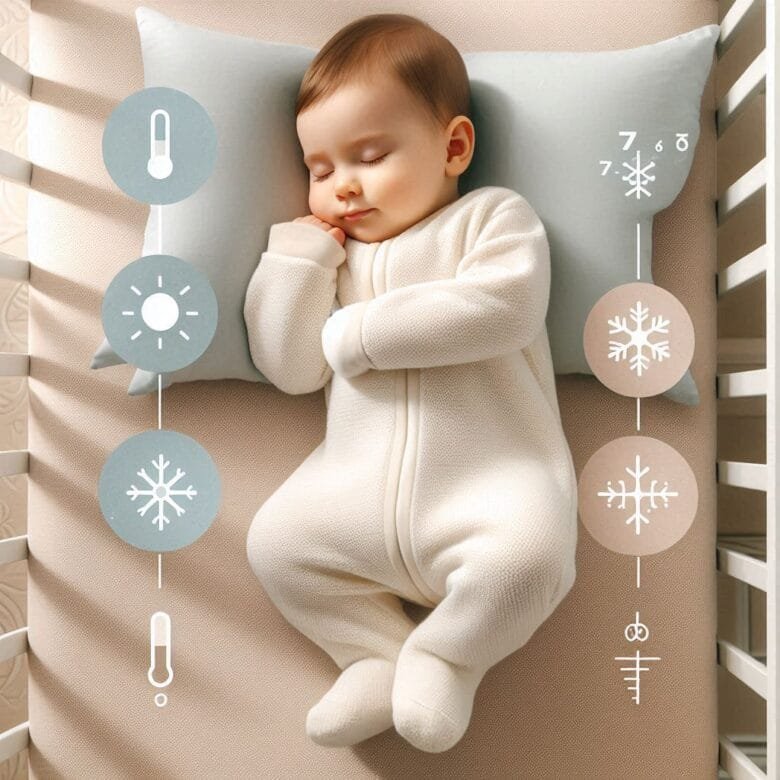
Best Sleeping Temperature for Newborns Creating the ideal sleeping environment for your newborn is crucial for their comfort and safety. The recommended room temperature for infants typically falls within the range of 68°F to 72°F (20°C to 22°C). Maintaining this temperature is essential because both overheating and excessive chill can disrupt a baby’s sleep and …