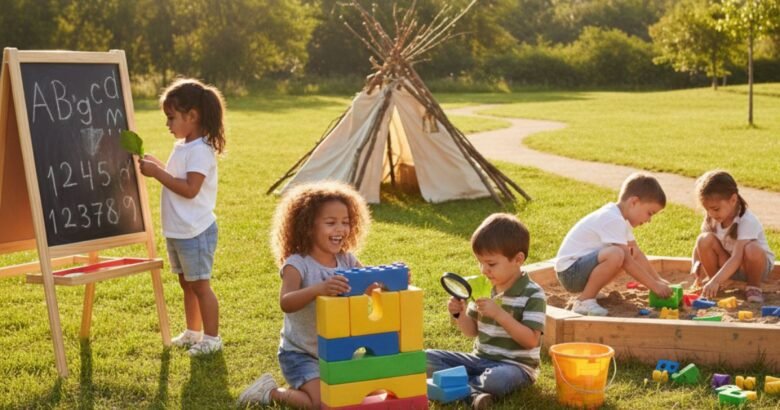
Outdoor play activities for preschoolers are more than just fun — they are essential for healthy physical, emotional, and cognitive development. When children explore nature, run freely, and engage in creative play, they naturally build important life skills. Outdoor activities also encourage curiosity, imagination, and problem-solving. Most importantly, they help children learn while having fun.
Why Outdoor Play is Crucial for Preschoolers
Let’s start with the big question: why is outdoor play so important? Well, it’s not just about burning off energy (though that’s a bonus for parents!). Outdoor play activities for preschoolers help them grow in three key areas:
- Physical Development: Running, jumping, climbing—these activities build strong muscles, improve coordination, and boost overall health.
- Cognitive Growth: Nature sparks curiosity. Whether they’re observing bugs or building a stick fort, kids are constantly learning and problem-solving.
- Social Skills: Playing outside encourages teamwork, sharing, and communication. Plus, it’s a great way to make new friends!
Think of outdoor play as a classroom without walls. It’s where kids learn life skills while having the time of their lives.
How Does Outdoor Play Enhance Learning?
Here’s the thing: kids are natural explorers. When they’re outside, every stick, rock, and puddle becomes an opportunity to learn. For example:
- Math Skills: Counting leaves or sorting rocks by size introduces basic math concepts.
- Science Exploration: Watching ants march in a line or observing how shadows change teaches them about the natural world.
- Language Development: Describing what they see, hear, and feel helps expand their vocabulary.
Outdoor play activities for preschoolers aren’t just fun—they’re a hands-on way to build foundational skills.
Types of Outdoor Play Activities
Now that we know why outdoor play is essential, let’s talk about how to do it. Here are some fantastic ideas to get your little ones moving, learning, and laughing.
Exploration and Discovery
- Nature Walks: Take a stroll through a park or your backyard. Encourage kids to collect leaves, flowers, or interesting rocks. Bonus points if you turn it into a scavenger hunt!
- Bug Hunts: Grab a magnifying glass and search for ants, ladybugs, or worms. It’s like a mini safari right in your backyard.
- Bird Watching: Set up a bird feeder and see who comes to visit. Kids can even draw pictures of the birds they spot.
Creative and Imaginative Play
- Mud Kitchens: Let kids “cook” with mud, sticks, and leaves. It’s messy, but oh-so-fun!
- Fairy Gardens: Create a tiny garden with pebbles, flowers, and little figurines. It’s a magical way to spark their imagination.
- Outdoor Art: Use sidewalk chalk to draw pictures or create hopscotch grids. You can also try leaf printing or painting rocks.
Physical and Motor Skill Development
- Obstacle Courses: Set up a course with cones, hula hoops, and jump ropes. Challenge kids to crawl, hop, and balance their way through.
- Group Games: Classics like tag, hide-and-seek, or parachute play are always a hit.
- Water Play: On hot days, set up a sprinkler or a water table. Let kids splash, pour, and experiment with water.
Innovative Outdoor Learning Activities
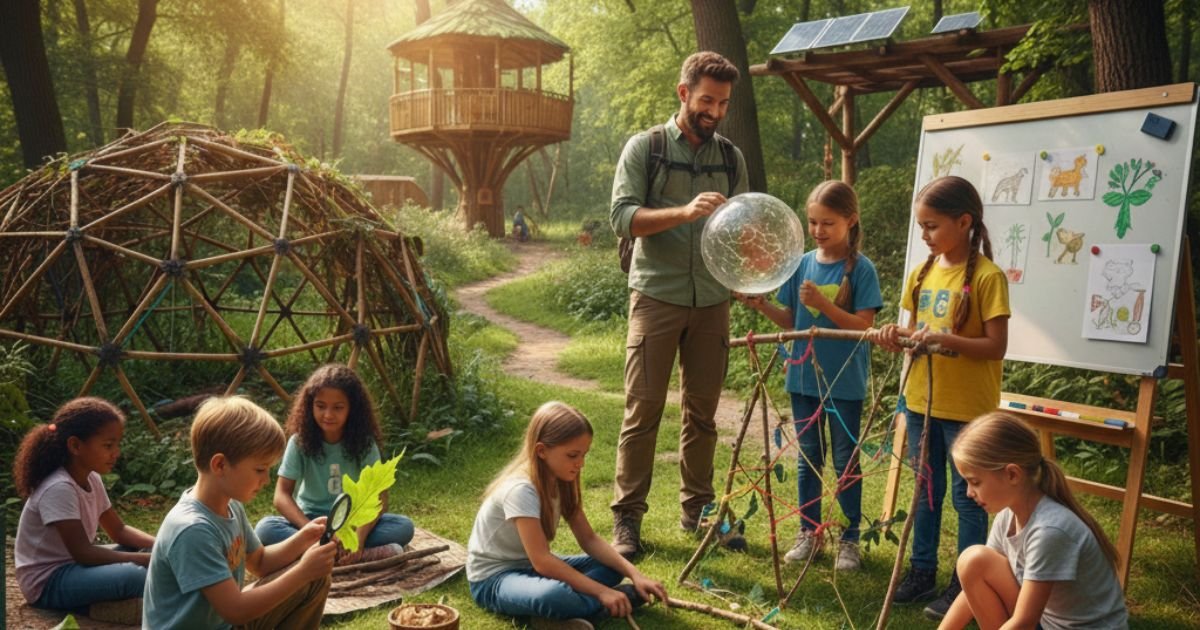
Outdoor play isn’t just about running around—it’s also a chance to sneak in some learning. Here are a few educational activities that preschoolers will love:
STEM in the Outdoors
- Building with Natural Materials: Use sticks, rocks, and leaves to create structures. It’s like nature’s version of LEGO!
- Simple Science Experiments: Show kids how shadows move throughout the day or let them observe how water flows down a slope.
Literacy and Language Development
- Alphabet Hunts: Hide foam letters around the yard and have kids find them. They can even spell out simple words with their finds.
- Storytime Under the Sky: Bring a blanket and read books outside. Bonus points if the story is about nature!
Math in Nature
- Counting and Sorting: Collect items like acorns or pinecones and sort them by size, color, or shape.
- Measuring Fun: Use a ruler or tape measure to compare the lengths of sticks or the heights of plants.
Fun & Active Outdoor Play
Outdoor play gives daycare children the perfect chance to move, explore, and release energy in a healthy way. Activities like running games, obstacle courses, ball play, and simple races help improve physical strength, coordination, and balance. Fresh air and open space also support better mood and focus, making children happier and more relaxed. When kids play together outdoors, they naturally learn teamwork, sharing, and communication skills while having fun.
Nature Exploration & Learning
Spending time outdoors allows young children to connect with nature and discover the world around them. Simple activities such as collecting leaves, observing insects, watering plants, or playing with sand and water encourage curiosity and sensory development. These experiences help children understand basic concepts like colors, textures, and seasons in an enjoyable way. Nature-based play also inspires creativity and builds early problem-solving skills, creating a strong foundation for learning.
Tailored Outdoor Activities
Not all outdoor spaces are created equal, but that doesn’t mean you can’t have fun. Here’s how to make the most of what you’ve got:
For Small Spaces
- Mini Gardens: Even a small balcony can host a few potted plants.
- Sensory Bins: Fill a tub with sand, water, or pebbles for hands-on play.
- Chalk Art: A sidewalk or driveway is all you need for hours of creative fun.
For Large Groups
- Team Games: Try relay races or group scavenger hunts.
- Parachute Play: This classic activity is perfect for daycares or classrooms.
For Families
- Picnics in the Park: Pack a lunch and enjoy it under a tree.
- Weekend Hikes: Explore local trails and enjoy some quality family time.
Seasonal and Thematic Activities
Outdoor play changes with the seasons, and that’s part of the fun! Here are some ideas for every time of year:
- Spring: Plant flowers, watch butterflies, or go on a nature walk.
- Summer: Enjoy water play, build sandcastles, or have a backyard campout.
- Fall: Jump in leaf piles, collect acorns, or create leaf art.
- Winter: Try snow painting, build a snowman, or go on a winter scavenger hunt.
Each season brings new opportunities for outdoor play activities for preschoolers, keeping things fresh and exciting.
FAQs
Why are outdoor play activities important for preschoolers?
Outdoor play activities are important because they support physical, mental, and emotional development at the same time. When children run, jump, climb, and explore, they strengthen their muscles and improve coordination. Being outdoors also reduces stress and increases happiness by allowing children to release energy naturally. In addition, outdoor environments stimulate curiosity and creativity, which helps young minds grow. These experiences lay the foundation for healthy habits and positive learning attitudes.
What types of outdoor play activities help learning?
Many outdoor activities combine fun with learning, such as nature scavenger hunts, obstacle courses, water play, and gardening. These activities help children develop problem-solving skills, counting abilities, and basic science knowledge. Simple games like throwing and catching improve hand-eye coordination and focus. Pretend play outdoors encourages imagination and language development. All these activities support early learning in a natural and enjoyable way.
How much outdoor play time do preschoolers need each day?
Preschoolers should ideally have at least one to two hours of outdoor play each day. This time can be divided into smaller sessions depending on the child’s routine. Even short outdoor breaks can make a big difference in energy levels and mood. Regular outdoor play helps children sleep better and stay active. Consistency is more important than perfection.
Are outdoor play activities safe for young children?
Yes, outdoor play is safe when proper supervision and simple safety measures are followed. Parents should ensure that play areas are clean, secure, and age-appropriate. Comfortable clothing and sun protection are also important. Teaching children basic safety rules, such as not wandering off, adds an extra layer of protection. With the right setup, outdoor play becomes both safe and enjoyable.
How can parents encourage outdoor play at home?
Parents can encourage outdoor play by creating a small play space in the yard or nearby park. Providing simple toys like balls, chalk, or buckets can inspire many activities. Joining children in play makes it more exciting and motivating. Limiting screen time also naturally increases interest in outdoor fun. Most importantly, turning outdoor play into a daily routine builds a healthy habit.
Conclusion
Outdoor play is a powerful tool that shapes a preschooler’s overall growth and happiness. Through simple games and nature-based activities, children strengthen their bodies, improve social skills, and boost their creativity. These experiences also build confidence and independence from an early age. Regular outdoor play helps develop better focus, coordination, and emotional balance. By making outdoor time a daily habit, parents and educators create a strong foundation for lifelong learning. A happy child who plays outside often becomes a healthier and more confident learner.