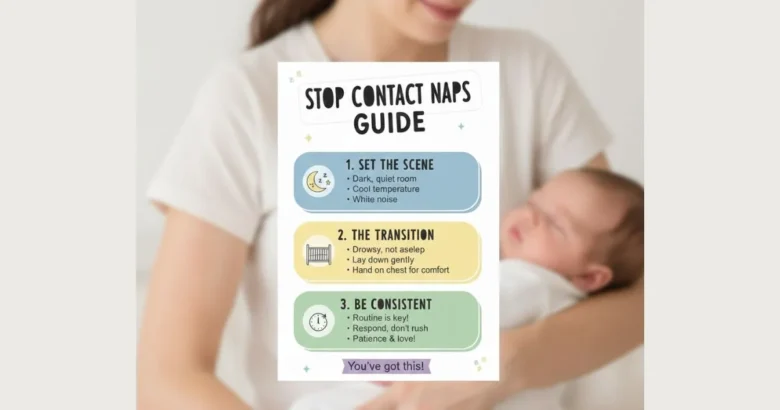
You can stop contact naps without stress or tears! While it’s natural for babies and toddlers to crave snuggles, holding them for every nap can make sleep harder for both of you. The key is using gentle, consistent strategies that teach your child to nap independently, feel safe in their crib, and still get the rest they need. In this guide, you’ll discover simple, parent-approved methods to end contact naps and reclaim your own downtime without turning naptime into a battle.
In this guide, we’ll explore proven strategies to stop contact naps, from creating a predictable nap routine to making the crib feel safe and inviting. You’ll learn how to transition your child gently, reduce clinginess, and give yourself the break you desperately need. Whether your toddler fights naps or your baby refuses to sleep alone, these simple, parent-approved tips can make independent napping achievable and even enjoyable. Say goodbye to sleepless arms and hello to a more rested household!
When Should You Stop Contact Naps?
One of the biggest questions parents ask is exactly when to stop contact napping. Is there a magical date on the calendar? Nope! Every baby is different. While those newborn snuggles are amazing, there comes a time when you (and your bladder) might need a break. Generally, experts suggest that around 4 to 6 months is a “sweet spot” to start making changes.
Signs Your Baby Is Ready for Independent Naps
How do you know it’s officially time to stop contact naps? Your baby might actually tell you! If your little one starts wiggling constantly, trying to roll over, or waking up the second you sit down, they might be asking for more personal space.
Developing independent sleep skills usually happens when they start self-soothing, like sucking on their hands or rubbing their head. If they seem uncomfortable sleeping on you, it’s a green light to try the crib.
Why Timing Matters for Transitioning
Timing is everything! Transitioning from contact naps works best when you pay close attention to age-appropriate wake windows. If your baby is overtired, they will fight the crib. If they aren’t tired enough, they’ll just want to play.
Learning how to transition away from contact napping is much smoother when you catch them in that “sleepy but awake” zone. Don’t rush it; finding the right rhythm helps everyone rest better.
Why Is It Important to Transition Away from Contact Naps?
Let’s be honest, contact naps feel magical, but being a human mattress isn’t always practical. While the snuggles are second to none, knowing why you might want to stop contact naps can help you feel more confident about making a change. It’s not about loving the cuddles any less; it’s about creating a sustainable routine for the whole family. Moving toward independent sleep is a big step, but the freedom it offers is often worth it.
Practical Challenges of Contact Naps
At first, holding a sleeping baby is a sweet excuse to binge-watch a new show. But after a while, you might notice the challenges. You can’t move, you’re constantly hungry, and your other responsibilities start piling up. This is a common reason parents look for baby sleep tips on transitioning from contact naps. Plus, if you have other children, it becomes nearly impossible to be available for them while you’re pinned to the couch. Building a consistent nap routine that doesn’t rely solely on you is key to your own well-being.
Long-Term Benefits of Independent Sleep
The biggest win? Teaching your baby how to make a baby sleep independently builds crucial independent sleep skills. This kind of nap training helps them learn to self-soothe and connect sleep cycles on their own, which often leads to longer, more restorative naps. For you, it means having predictable breaks during the day to recharge, get things done, or simply enjoy a hot cup of coffee. It’s a transition that helps both you and your little one grow more confident and rested.
How to Transition Away from Contact Naps: A Step-by-Step Guide
So, you are ready to reclaim your arms? Amazing! Learning how to transition away from contact napping doesn’t have to be scary. It’s all about taking small, steady steps. Here is a simple game plan to help you stop contact naps without the tears (yours or theirs).
Step 1: Create a Safe and Comfortable Sleep Environment
First things first: set the stage. If you want your baby to sleep in their crib, it needs to be inviting. A safe sleep environment is key. Keep the room dark (think “cave” dark), cool, and quiet. Using white noise is a game-changer because it mimics the sounds of the womb and blocks out the noise of the delivery truck outside. When the room feels cozy and safe, transitioning from contact naps becomes much easier for your little one.
Step 2: Establish a Consistent Nap Routine
Babies love knowing what comes next. A consistent nap routine acts like a signal to their brain that sleep is coming. It doesn’t need to be long or complicated! Try a simple pattern: diaper change, sleep sack, a quick cuddle, and a song. Doing this every single time helps prepare them for rest and is one of the best baby sleep tips you can use. This predictability builds trust and makes nap training feel less like a battle and more like a rhythm.
Step 3: Gradually Introduce Independent Sleep
Now for the big move. Instead of rocking them completely to sleep, try putting them down whilst they are drowsy but still awake. This gives them a chance to practice independent sleep skills. It might not work the first time, and that is okay! Start with just the first nap of the day, as that is usually the easiest one. Be patient with yourself as you build these new habits.
Common Challenges When Transitioning from Contact Naps
Just when you think you have it all figured out, your baby throws you a curveball. Transitioning from contact naps often comes with a few bumps in the road, so don’t be discouraged if things get a little tricky. Knowing what to expect can make the process feel less overwhelming. Here are some of the most common challenges you might face as you stop contact naps and teach your little one valuable independent sleep skills.
Short Naps and How to Extend Them
You finally get your baby to nap in the crib, only for them to wake up 20 minutes later. Sound familiar? Short naps are a classic part of nap training. Often, babies wake up after one sleep cycle because they haven’t learned how to connect to the next one without your help. One of the best baby sleep tips is to wait a few minutes before rushing in. Sometimes, they will surprise you and fall back asleep on their own, learning how to make a baby sleep independently in the process.
Dealing with Sleep Regressions
Just as you’re making progress, a sleep regression hits. These are temporary setbacks where a baby who was sleeping well suddenly starts fighting naps or waking up more often. They are often tied to developmental milestones, like learning to roll over or crawl. The key is to stay consistent with your routine. Don’t fall back into old habits of only offering contact naps. Stick with your plan, offer extra comfort when needed, and remember that this phase will pass.
Overcoming External Sleep Associations
An external sleep association is anything your baby depends on to fall asleep, like being rocked, fed, or held. When you stop contact naps, you are trying to break that specific association. It’s a big change! To help, introduce a new, positive sleep association that doesn’t involve you, like a sound machine or a sleep sack. This gives them a new comfort signal that it’s time to rest, making the transition much smoother for everyone.
Safety Tips for Contact Naps
Even if you’re planning to stop contact naps, there will be days when a sleepy snuggle is just what the doctor ordered. Whether by choice or by necessity, knowing how to make contact naps safe is non-negotiable. While these moments are precious, ensuring a safe sleep environment even for you is the top priority. These essential baby sleep tips will give you peace of mind.
Why Safety Matters During Contact Naps
The biggest risk during contact naps is the parent falling asleep. It happens to the best of us! But drifting off on a couch or recliner with a baby is dangerous and increases the risk of accidental suffocation. The goal of safe contact naps is to enjoy the closeness while keeping your baby secure. Being aware of the risks allows you to prepare and prevent accidents, so you can focus on those sweet, sleepy sighs without worry.
Practical Tips for Safe Contact Napping
Ready for some simple rules to keep naptime safe and sound? First, always make sure you are wide awake and alert. If you feel tired, it’s safer to place your baby in their crib. Keep your baby upright on your chest, ensuring their face is visible and their airway is clear. Avoid soft surfaces like couches, and never use pillows or loose blankets around them. Set yourself up for success by having water, snacks, and your phone within reach before you settle in. This way, you won’t have to move once your little one is asleep.
How to Balance Contact Naps and Independent Naps
Deciding to stop contact naps doesn’t mean you have to give them up completely. It’s not an all-or-nothing situation! Finding a balance between cuddles and crib time can be the perfect compromise. This approach allows you to enjoy the snuggles you love while still teaching your baby valuable independent sleep skills. The goal is a happy medium that works for your family’s unique needs and gives you the best of both worlds.
When to Choose Contact Naps
Some days just call for a contact nap. If your baby is sick, teething, or going through a growth spurt, a little extra comfort can make a huge difference. Overtired and fussy baby? A contact nap can be a lifesaver to ensure they get the rest they need. Don’t feel guilty about it! These moments are perfect for bonding. Think of it less as a setback and more as a tool in your parenting toolkit. Listening to your baby’s needs (and your own!) is one of the most important baby sleep tips.
How to Introduce Independent Naps Gradually
The key to a successful transition is to take it slow. You don’t have to switch all naps to the crib at once. Start with just one nap a day, usually the first one, when your baby is most rested. Once they master that nap independently, you can work on the next one. This gradual approach to transitioning from contact naps helps your baby learn how to make a baby sleep independently without feeling overwhelmed. It builds their confidence (and yours!) one nap at a time.
Tools and Resources to Support the Transition
You don’t have to be a superhero to figure this out on your own. Sometimes, the right gear or a little expert help can make transitioning from contact naps feel less like a battle and more like a gentle breeze. Think of these tools as your sidekicks in the quest to stop contact naps and reclaim your personal space.
Must-Have Products for Better Sleep
First up, let’s talk gear. You don’t need to buy the whole store, but a few key items can work wonders. A good swaddle or sleep sack is like a wearable hug that helps your baby feel secure without needing your arms. White noise machines are another game-changer; they block out household sounds (like the dog barking) and create a calm vibe. Blackout curtains are also essential because darkness tells your baby’s brain it’s time to snooze. Using these tools helps build independent sleep skills by setting the perfect scene for rest.
Where to Find Expert Advice
Still feeling stuck? That’s okay! There is a whole world of baby sleep tips out there. Books by pediatric sleep experts can offer step-by-step plans that take the guesswork out of the process. If you need more personalized help, many sleep consultants offer guides tailored to your specific struggles with contact naps. And don’t forget about parent support groups online or in person. Chatting with other parents who are in the same boat can be incredibly reassuring. Remember, asking for help isn’t giving up; it’s leveling up your parenting game.
FAQs
Is It Bad If My Baby Only Contact Naps?
Absolutely not. Contact naps are a wonderful way to bond, and for newborns, they are practically a survival instinct. Babies love feeling close to you because it makes them feel safe. It doesn’t mean you are doing anything wrong. However, if it’s becoming unsustainable for you, like if you haven’t eaten a hot meal in three months, then it might be time for a change. Remember, the best routine is one that works for the whole family. If you are happy, keep snuggling. If you are exhausted, it’s okay to start transitioning from contact naps.
Can Contact Napping Cause Bad Sleep Habits?
This is a huge myth! Loving your baby and holding them while they sleep does not “ruin” them. You aren’t creating a “bad” habit; you are just fulfilling a need for closeness. That said, as babies get older, they can develop a strong preference for sleeping on you. This isn’t necessarily “bad,” but it can make learning independent sleep skills a bit trickier later on. If you want to avoid this, try practicing one crib nap a day. It’s a gentle way to introduce baby sleep tips that encourage independence without giving up all the cuddles cold turkey.
Conclusion: Embracing the Journey
You did it! You made it to the end of this guide. Transitioning away from contact naps is a big step, but it’s just one chapter in the wild adventure of parenting. Whether you are ready to stop contact naps completely or just want a little more freedom during the day, remember that this is a journey, not a race. Take a deep breath, you are doing a great job.
Celebrate Small Wins
It is easy to get discouraged if things don’t go perfectly right away. Maybe today your baby slept in the crib for five minutes. Guess what? That is a win! Transitioning from contact naps takes practice for both of you. Did you manage to drink a hot coffee while they slept independently? That’s a win too! Focusing on these little victories helps you stay positive. Building independent sleep skills is hard work, so give yourself a high-five for every step forward, no matter how small it seems.
Every Baby Is Different
Here is the most important of all baby sleep tips: your baby is unique. What worked for your neighbor’s cousin’s baby might not work for yours, and that is completely okay. Some babies take to the crib instantly, while others need more time and cuddles. Don’t compare your progress to anyone else’s. Trust your instincts and find a rhythm that feels right for your family. Whether you are still snuggling for every nap or cheering for hour-long crib sleeps, you are the perfect parent for your little one. Keep going, you’ve got this!