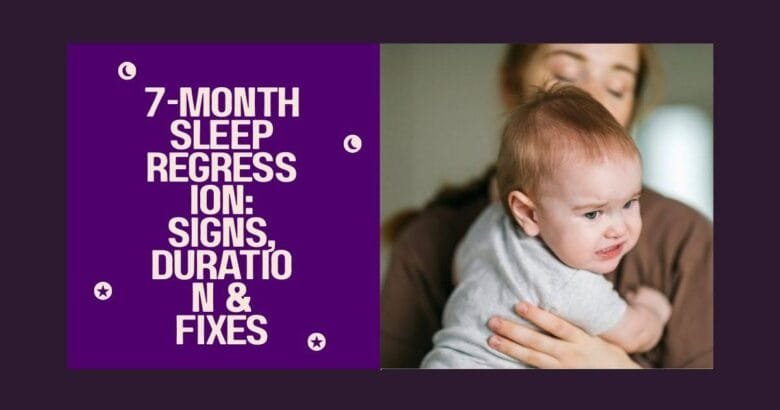
The 7 month sleep regression is a common phase when babies who were previously sleeping well suddenly begin waking more often, resisting naps, or having trouble settling at bedtime. This change is often linked to rapid developmental milestones, such as increased mobility, separation awareness, and changes in sleep cycles. Although this phase can be challenging, …
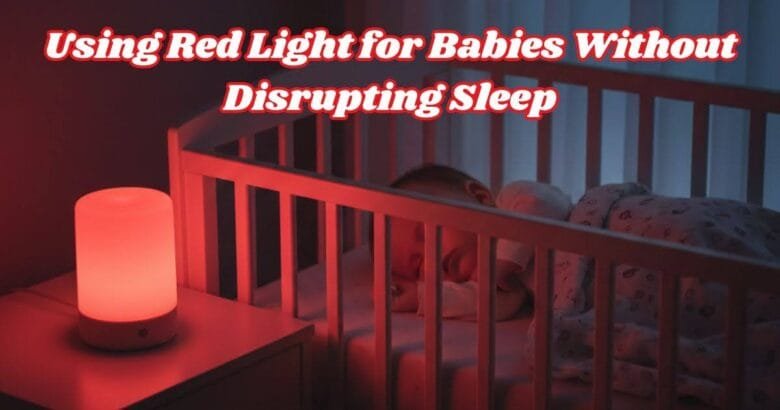
Using a red light for babies has become increasingly popular as parents look for gentle ways to support better sleep. Red light is known to be less stimulating than white or blue light, helping preserve melatonin levels and making nighttime feeds, nappy changes, and soothing less disruptive for a baby’s sleep cycle. A soft red …

Managing a catnapping baby can be exhausting, especially when short naps lead to an overtired, fussy baby throughout the day. Catnapping is common in early infancy as babies adjust to sleep cycles, but without the right support, it can disrupt both daytime routines and nighttime sleep. Helping a baby move beyond catnaps often involves adjusting …

Feeding to sleep is a common habit, especially in the early months, but over time it can make it harder for babies to settle independently. When a baby relies on feeding as the only way to fall asleep, they may struggle to self-soothe during night wakings and need frequent help to return to sleep. Stopping …

Most toddlers drop their final nap between 3 and 5 years old, though the exact timing varies by child. As toddlers grow, they can stay awake longer without becoming overtired, and nighttime sleep becomes more consolidated. Signs like nap resistance, late bedtimes, or skipped naps without meltdowns often signal it’s time for this transition. Understanding …

Deciding when babies should sleep in their own room is a major milestone for parents and infants alike. Experts often recommend waiting until a baby is between 4 to 6 months old, when they are more capable of sleeping safely through the night and parents feel comfortable with reduced proximity. Transitioning a baby to their …

Most babies drop to one nap between 12 and 18 months, but the timing isn’t the same for every child. This transition happens as sleep needs change and babies can stay awake longer without becoming overtired. Signs like resisting the second nap, taking longer to fall asleep, or waking early from naps often signal that …
Night terrors in babies can be frightening for parents to witness, but they’re usually harmless and temporary. During a night terror, a baby may cry, scream, or appear awake while still being asleep, often without recognizing caregivers. These episodes are linked to an immature nervous system, overtiredness, or disrupted sleep cycles, not bad dreams. Understanding …

You tiptoe out of the nursery, holding your breath. You’ve just put the baby down, and you finally have a moment to yourself. You sit down, take a sip of your now lukewarm coffee, and then you hear it, the cry. You check the clock. It’s been exactly 30 minutes. If this sounds painfully familiar, …

If you’ve ever rocked, soothed, or bounced your baby for what feels like hours, only for them to resist sleep, you’re not alone. Many parents ask, Why Do Babies Fight Sleep?, especially when they seem tired but refuse to settle. From overtiredness and overstimulation to developmental milestones and sleep associations, there are several reasons why …