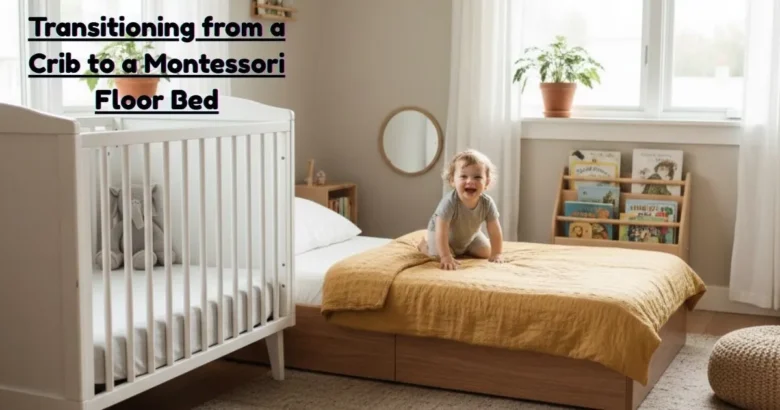
Transitioning from a crib to a Montessori floor bed is a simple process that encourages your child’s independence while keeping them safe. Start by placing a low mattress on the floor in a child-friendly, hazard-free space and include familiar items like their favorite blanket or stuffed toy to make it feel comforting. Explain to your child that they can now get in and out of bed on their own, and continue following the same bedtime routine you used with the crib. Be patient during the first few nights, as your child may explore or get up more often, and gently guide them back to bed. This approach helps foster confidence, self-directed sleep habits, and a sense of autonomy.
Understanding the Montessori Floor Bed
You might be wondering, “Is this literally just a mattress on the floor?” Well, yes and no. While the setup is simple, the philosophy behind the Montessori floor bed is quite profound. It’s not just about sleeping; it’s about respect and freedom.
What is a Montessori Floor Bed?
At its core, a Montessori floor bed is exactly what it sounds like: a bed placed directly on the floor or on a very low frame. The main goal here is baby sleep independence. Instead of being confined behind the bars of a crib, your child has the freedom to access their bed and their room without needing your help.
This setup aligns with the Montessori method of education, which believes that even very young children are capable of directing their own learning and movement. By removing physical barriers, you are telling your child, “I trust you to listen to your body.” It empowers them to crawl into bed when they are tired and explore their safe, baby proofed room when they wake up.
How Does a Montessori Floor Bed Differ from a Traditional Toddler Bed?
The biggest difference during a toddler bed transition is accessibility. A traditional toddler bed usually has rails and sits higher off the ground. It’s designed to keep the child in. A floor bed is designed to let the child get out (and back in again).
Traditional beds often feel like a mini version of an adult bed, but they can still be tricky for a small toddler to navigate safely. With a floor bed, the risk of a scary fall is basically zero. Plus, unlike a crib where a child might cry to be lifted out, a floor bed encourages them to wake up and engage with their environment independently. It turns the entire room into a safe, explorable haven rather than just a place to be contained.
When is the Right Time to Transition?
Knowing exactly when to make the leap from a crib to a Montessori floor bed can feel like trying to solve a puzzle with moving pieces. Is it too early? Is it too late? The truth is, there isn’t a single magical date on the calendar. Instead, it’s about watching your child and trusting your gut.
Signs Your Toddler is Ready for a Floor Bed
Your child will often tell you they are ready for a floor bed transition without saying a single word. The most obvious sign is the “escape artist” phase. If you walk in to find your toddler straddling the crib rail like a tiny gymnast, it is definitely time to make a change for safety reasons.
Other cues are more subtle. Maybe they are expressing frustration at being confined, or perhaps they have started showing a strong interest in climbing onto your bed or the sofa. If they are asking for more independence in other areas, like wanting to dress themselves or help with chores, they might be emotionally ready to handle the freedom of a floor bed.
What Age is Best for Transitioning?
In the Montessori world, the toddler bed transition often happens earlier than you might expect. Many families start using a floor bed as early as 5 to 10 months, right when the baby starts crawling. The idea is to support their need for movement from the very beginning.
However, if you didn’t start at infancy, don’t worry! A common sweet spot for moving a toddler out of a crib is between 18 months and 3 years old. At this age, they are physically capable of getting in and out of bed safely, and they can understand the basic concept that the bed is for sleeping. Ultimately, the “best” age is simply whenever your family feels ready for the adventure.
Preparing for the Transition
So, you’ve decided to take the plunge. That’s fantastic! But before you dismantle that crib, let’s talk prep work. A successful floor bed transition isn’t just about the bed itself; it’s about transforming the entire room into a safe haven where your little one can roam free without giving you a heart attack.
How to Baby Proof a Montessori Bedroom
Think of this as creating a “yes space.” When your child sleeps in a crib, the crib is their safe zone. With a Montessori floor bed, the entire room becomes the crib. You need to get down on your hands and knees (literally!) and see the room from their perspective.
Start by anchoring all furniture to the wall: dressers, bookshelves, everything. Cover those electrical outlets, secure blind cords well out of reach, and remove any small objects that could be choking hazards. If there’s a heavy lamp that could be pulled down, it needs to go. The goal is to sleep soundly knowing that if they wake up at 2 AM to play, they are perfectly safe.
Choosing the Right Mattress and Bed Frame
You don’t need to spend a fortune here. The beauty of a toddler bed transition, the Montessori way, is its simplicity. You can place a firm crib mattress directly on the floor, or opt for a low wooden frame to allow for air circulation (which helps prevent mold).
If you choose a frame, look for one with rounded edges to prevent bumps and bruises. Just ensure the mattress fits snugly so there are no gaps where tiny hands or feet could get stuck.
Creating a Safe and Inviting Sleep Environment
Now for the fun part! This space should feel cozy, not barren. Keep the decor simple and calming. A soft rug next to the bed can cushion any accidental roll offs (which will happen, but don’t worry, it’s a short fall!).
Place a few favorite books or soft toys on a low shelf nearby. This encourages them to engage quietly if they wake up early, buying you a few extra minutes of precious sleep. By making the room inviting, you turn the scary idea of a “big kid bed” into an exciting adventure.
Step by Step Transition Process
Ready to make the move? This is where the rubber meets the road (or the mattress meets the floor!). While the idea of a floor bed transition can feel overwhelming, breaking it down into small steps makes it manageable and even fun.
How to Introduce the Montessori Floor Bed to Your Toddler
Start talking about the new bed a few days before the big switch. Keep it positive and exciting! You might say, “Soon you’ll have a special bed that you can get in and out of all by yourself!” Read books about bedtime or tell stories about “big kid beds” to help them visualize the change. The goal is to build anticipation rather than anxiety.
Involving Your Child in the Setup Process
One of the best ways to ensure a smooth toddler bed transition is to give your child a sense of ownership. Let them help you set up the space. Even a young toddler can help unbox the mattress or choose where to put their favorite stuffed animals.
If you’re assembling a frame, let them “help” by holding a (safe) tool or handing you screws. When they feel like they built their Montessori floor bed, they are much more likely to want to sleep in it. It becomes their accomplishment, not just something happening to them.
Gradual vs. Immediate Transition: Which is Better?
There are two main schools of thought here. An immediate transition, taking down the crib and setting up the floor bed in one go, works well for toddlers who are adaptable or safety risks (like climbers). It’s a clean break.
However, some parents prefer a gradual approach. You might put the mattress on the floor for nap times first, while keeping the crib for nighttime sleep. Once they get used to napping there, you can switch to overnight sleep. Trust your instincts; you know your child best!
Addressing Common Concerns
Let’s address the elephant in the room (or rather, the toddler on the floor). It is completely normal to feel nervous about giving your child this much freedom. The good news? These worries are extremely common, and the solutions are often simpler than you think.
What if My Toddler Wanders Around the Room at Night?
This is usually the number one fear parents have during a toddler bed transition. You might picture your little one throwing a midnight party with their stuffed animals while you sleep. Here is the reality: if you have properly baby proofed the room, it is perfectly safe for them to get up.
If they do wander, consistency is your best friend. Keep your interaction boring and calm. Gently guide them back to their Montessori floor bed with a whispered, “It’s sleep time.” If they insist on leaving the bedroom entirely, installing a baby gate at the door works wonders. It keeps them safe inside their “sleep zone” without making them feel trapped in a crib.
How to Prevent Rolling Out of the Bed
Unlike a crib, there are no bars here to hold them in. During the initial floor bed transition, your child might roll onto the floor. Don’t panic! Since the mattress is so low to the ground, this is usually just a gentle slide rather than a scary fall.
To soften the landing, simply place a plush, fluffy rug right next to the bed. If you want extra security, you can slip a pool noodle under the fitted sheet to create a small, soft bumper. Over time, your child will naturally learn where the edge of the bed is, mastering a spatial awareness skill they will use for the rest of their lives.
Benefits of Montessori Floor Beds
Now that we’ve tackled the worries, let’s get to the good stuff. Why do so many parents swear by the Montessori floor bed? It isn’t just an aesthetic trend for Instagram; it is a genuine game changer for your child’s personal growth and happiness.
Encouraging Independence and Self Regulation
The absolute biggest perk here is independence. Instead of being stuck behind bars waiting for you to rescue them, your child is in the driver’s seat. They learn to listen to their own body signals. If they are tired, they can crawl into bed. If they wake up early, they can quietly read a book. This autonomy boosts their confidence and teaches them that they are capable of doing things on their own.
Developmental Advantages of a Floor Bed Setup
During the floor bed transition, your little one is getting a workout for their brain and body. Navigating the room without physical barriers improves their spatial awareness and gross motor skills. They naturally learn where the edge of the mattress is (often by sliding off it a few times!), which teaches them physical boundaries far better than a rail ever could.
Long Term Benefits for Sleep and Play
A toddler bed transition, the Montessori way, changes how your child views their entire room. It stops being a place of confinement and starts being a place of comfort. Because the bed is accessible all day, they can use it for reading, lounging, or quiet play, creating a positive, happy association with their sleep space. Plus, this setup creates a respect for sleep that can lead to healthier bedtime habits for years to come.
Real Life Experiences and Tips
Sometimes, the best advice doesn’t come from a manual; it comes from other parents who are deep in the trenches of toddlerhood just like you. Hearing about real life experiences with a Montessori floor bed can make the whole process feel much less intimidating and a lot more doable.
Stories from Parents Who Made the Switch
Take Sarah, a mom of two, who was terrified her son would never sleep again. “We were so scared he would treat the room like a playground,” she laughed. “The first two nights, he did fall asleep on the rug by the door. But by night three, he realized his bed was actually the coziest spot. Now, he loves his independence.”
Another parent, Mike, started the floor bed transition early at 10 months. “We skipped the toddler rail phase entirely,” he shared. “It was amazing to see him wake up, crawl to his low bookshelf, and look at books quietly instead of screaming for us to lift him out of a crib.” These stories remind us that while every child is different, they are often more capable than we give them credit for.
Lessons Learned and Mistakes to Avoid
One common “oops” moment many parents mention is forgetting to baby proof the entire room before the first night. One dad realized mid transition that his daughter could reach the blinds if she stood on her toy box, a quick fix, but a scary realization! The lesson? Check everything twice.
Another tip for a smoother toddler bed transition is to avoid overcomplicating bedtime. Stick to your usual routine. If you change too much at once, new bed, new lights, new routine, it can be overwhelming. Keep the bath, book, and cuddle sequence exactly the same to provide a sense of security in their new, open space.
Beyond the Basics: Enhancing the Montessori Experience
Once your floor bed transition is complete and everyone is sleeping soundly, you can start having even more fun with the space. A Montessori bedroom is about more than just the bed; it’s a thoughtfully designed environment that supports your child’s development in every way.
Adding Montessori Inspired Decor and Accessories
Think simple, beautiful, and functional. Hang artwork at your child’s eye level, not yours. Add a small, unbreakable mirror where they can see themselves, fostering a sense of self. A low, open shelf with a curated selection of just a few toys encourages focus and makes cleanup easy for them.
Consider adding a “care of self” station. This could be a small stool with a hairbrush and a bowl for washing hands. These simple touches empower your child to do things for themselves, which is the heart of the Montessori philosophy. This is much more than a toddler bed transition; it’s a lifestyle shift.
How to Incorporate Montessori Principles into the Entire Bedroom
Extend the idea of accessibility beyond the Montessori floor bed. Create a cozy reading nook with a few board books they can reach on their own. Make sure their clothing is stored in low drawers or on low hangers so they can participate in getting dressed.
The key is to create an orderly environment that is easy for a small child to navigate and maintain. Everything should have a place, from their toys to their shoes. This creates a sense of calm and predictability, helping them feel secure and confident in their own space. By doing this, their room becomes a true extension of their learning and growth, not just a place to sleep.
FAQs
Is a Montessori Floor Bed Safe for Babies Under 12 Months?
This is a hot topic, but the short answer is yes, as long as you follow safe sleep guidelines with extreme care. The room must be completely baby proofed, just like a crib. Use a firm mattress with a tight-fitting sheet and absolutely no pillows, blankets, or bumpers. When you start the floor bed transition this early, you are simply giving your mobile baby a safe space to sleep and explore. Remember, a floor bed itself doesn’t introduce new risks; an unsafe environment does.
How to Handle Potty Training with a Floor Bed
Potty training is an adventure on its own, and adding a new bed to the mix can feel like a lot. However, a floor bed can actually make the process easier! Unlike a crib, your child can get out of bed independently when they feel the urge to go. This empowerment is a huge plus.
To handle inevitable accidents during this toddler bed transition, a good waterproof mattress protector is your best friend. Layering two protectors and two fitted sheets (a method called “lasagna bedding”) is a genius hack. If an accident happens in the middle of the night, you just peel off the top layer and have a fresh, dry bed ready to go in seconds.
Conclusion
Reaching the end of your floor bed transition is a huge achievement, not just for your little one, but for you as a parent, too. Moving away from the crib is one of those bittersweet moments that remind us just how fast our children are growing. By choosing a Montessori floor bed, you aren’t just picking out furniture; you are making a conscious choice to support your child’s independence and confidence.
Celebrating Your Child’s Milestones
Take a moment to truly appreciate what your child is accomplishing. Every time they crawl into bed on their own or wake up and engage quietly with a book, they are building skills that will last a lifetime. This newfound freedom is a major developmental leap.
It might be messy at first; there may be nights where you find them asleep on the rug or mornings that start a little earlier than you’d like. But these are all signs of a healthy, growing curiosity. Celebrate the small wins, like that first night they stay in their bed until morning. It’s a sign that they feel safe, secure, and capable in their own space.