
We stopped our toddler from fighting diaper changes by turning it into a calm, predictable routine instead of a battle. We gave simple choices (“stand or lie down?”), used distractions like songs and toys, explained what we were doing in a gentle voice, and stayed consistent every time. Once our toddler felt in control, safe, and understood, the resistance slowly disappeared.
Preparing for Success
Success usually starts way before you even mention the word “diaper.” If you rush in without a plan, you might find yourself chasing a giggling, half naked runaway down the hallway. A little bit of prep work goes a long way in keeping everyone calm and happy.
What Are the Best Times to Change a Toddler’s Diaper?
Timing is everything. Imagine if someone yanked you away right in the middle of watching your favorite movie! You would probably be pretty annoyed, right? Your child feels the exact same way about their blocks or dolls. One of the golden rules of toddler diaper changes is to avoid interrupting deep play.
Instead, try to wait for a natural pause in their activity. If you can catch them during a transition, like when they are moving from one game to another or right after a snack, you are much less likely to trigger a meltdown.
What Should You Have Ready Before Starting a Diaper Change?
Nothing ramps up diaper change resistance faster than a parent who has to run to the other room for wipes while trying to keep a wiggly child still. Before you start, gather your “toolkit.” Make sure you have a fresh diaper, wipes, cream, and maybe a special toy all within arm’s reach.
Having a dedicated station fully stocked is one of the most effective parenting techniques for diaper changes. When you are organized, you can be fast, efficient, and focused on connecting with your little one rather than frantically searching for supplies.
Innovative Techniques to Reduce Resistance
When traditional methods fail, it is time to think outside the box. Fighting fire with fire rarely works with toddlers, but fighting resistance with fun? That is a game changer. By shifting your approach, you can turn a battleground into a bonding moment.
How to Involve Toddlers in the Process
Toddlers crave independence. They want to do everything “all by myself!” Instead of fighting that urge, use it to your advantage. One of the most effective parenting techniques for diaper changes is assigning your child a specific task.
Ask them to hand you the clean diaper or hold the wipes package. You can even let them pull the tabs on the old diaper (if it’s not too messy!). When you make them an active participant rather than a passive object being worked on, their need for control is satisfied. You are essentially saying, “We are doing this together,” which significantly lowers diaper change resistance.
Using Humor and Play to Diffuse Tension
Laughter is the best distraction. If you approach the changing table with a serious, stressed face, your toddler will feel that tension immediately. Instead, be silly!
- Make funny noises: Use goofy sound effects for every wipe or cream application.
- Play peek a boo: Use a clean diaper or a washcloth to play a quick game.
- Tickle monster: A gentle tickle on the tummy can break a grumpy mood instantly.
By injecting humor into the routine, you change the emotional tone of the experience. Toddler diaper changes don’t have to be serious business. When you are laughing, it is hard for them to stay mad, and before they know it, the job is done, and they are free to play again.
Tools and Products That Make a Difference
Sometimes, willpower and a funny face just aren’t enough. When you are in the trenches of toddler diaper changes, having the right gear can be the secret weapon that saves the day. Think of these tools not just as “stuff,” but as your personal assistants in the quest for a clean diaper.
Best Toys and Distractions for Diaper Changes
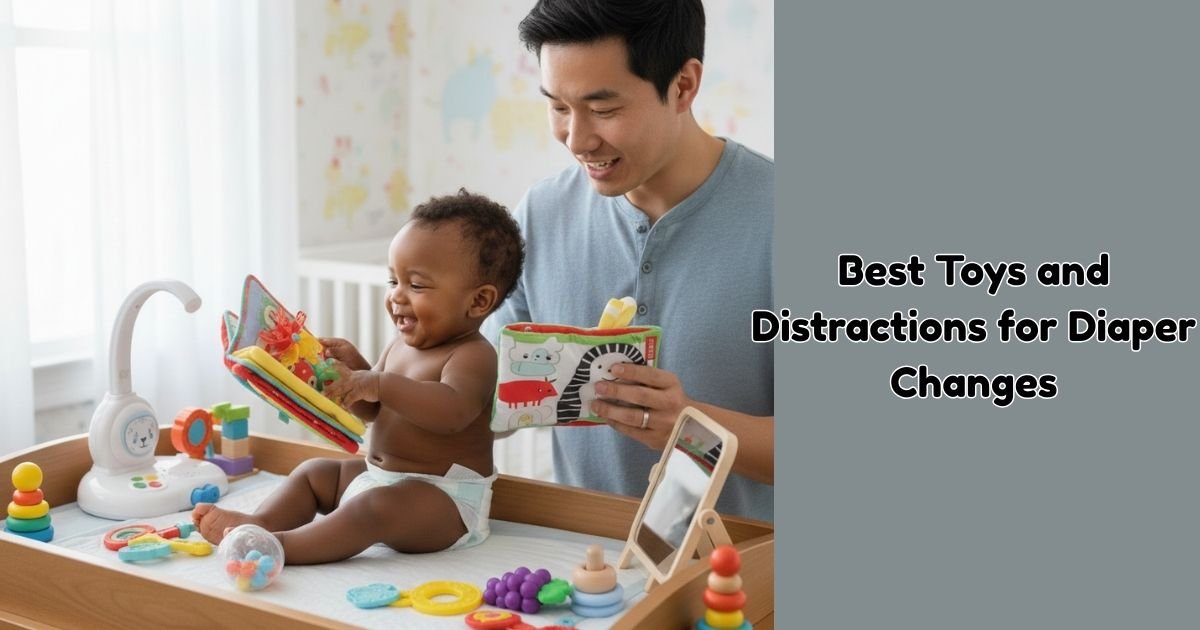
We all know that toddlers have the attention span of a goldfish. That is why a “special” basket of toys can work wonders. The trick? These toys only come out during diaper time. This makes them feel rare and exciting!
- Fidget Spinners or Pop It Toys: These keep busy little hands occupied so they aren’t reaching for things they shouldn’t (like the dirty diaper!).
- Stickers: Hand them a sticker to put on their shirt or the wall next to the changing table. It is simple, cheap, and surprisingly effective at stopping diaper change resistance.
- Musical Books: A book that sings or makes noise can captivate them long enough for you to get the job done.
Diapering Essentials Every Parent Should Have
Beyond toys, the basics matter too. If the wipe is cold or the diaper feels scratchy, your toddler is going to let you know about it loudly. Investing in comfort can be one of the smartest parenting techniques for diaper changes.
- Wipe Warmers: A cold, wet wipe on a warm bottom is a shock to the system. A warmer can make the experience much more soothing.
- Standing Changing Pad: If your toddler refuses to lie down, look for pull up style diapers and a simple mat that lets you change them while they stand.
- High Quality Creams: A sore bottom makes for a grumpy toddler. Using a good barrier cream prevents irritation before it starts, keeping the peace for everyone.
The Hidden Benefits of Diaper Changes
It is easy to see diaper duty as just a messy chore that needs to be over as quickly as possible. But believe it or not, these moments offer more than just a clean bottom. When you slow down and change your perspective, you might find that toddler diaper changes are actually hidden opportunities for growth for both of you.
How Diaper Changes Build Trust and Connection
Think about it: diapering is one of the few times during the day when you are completely focused on your child. No phones, no multitasking, just you and them. By handling them gently and respecting their body, you are sending a powerful message of love and safety.
When you pause to explain what you are doing (“I’m going to wipe you now so you feel fresh”), you are building trust. This simple act of communication can significantly lower diaper change resistance because your child feels seen and respected, not just manhandled. These quiet moments of connection lay the groundwork for a strong, secure relationship.
Teaching Life Skills Through Everyday Routines
You are not just changing a diaper; you are teaching life skills! When you involve your toddler in the process, like asking them to lift their legs or wash their hands afterward, you are fostering independence and cooperation.
These are essential parenting techniques for diaper changes that translate into other areas of life. Your child learns that they have a role to play in taking care of their own body. Plus, narrating the steps (“First we take off the old diaper, then we wipe…”) helps them understand sequences and routines. Who knew a diaper change could be a mini lesson in responsibility?
Preparing for the Potty Training Transition
Is your little one fighting toddler diaper changes like they are defending a fortress? Believe it or not, this frustration might actually be a good sign! Often, that intense diaper change resistance is a secret signal that they are getting ready for the next big step: the potty. Instead of dreading the battle, you can use these moments to plant the seeds for potty training success.
Recognizing Readiness for Potty Training
How do you know if your toddler is ready to ditch the diapers? It’s not always about age; it’s about signs. Keep an eye out for clues during your daily routine. Are they staying dry for longer periods? Do they hide behind the sofa when they need to go? Or maybe they tell you right after they have soiled their diaper.
These are all huge milestones! It means their brain and body are starting to communicate. When you notice these signs, acknowledge them with excitement. Saying things like, “Wow, you knew you went pee!” helps them connect the feeling with the action, which is one of the most vital parenting techniques for diaper changes leading up to potty training.
How to Introduce Potty Training During Diaper Changes
You don’t have to wait for “Potty Training Day” to start teaching. You can use every diaper change as a mini lesson. Start by narrating the process in simple terms. Say, “Pee goes in the potty,” or let them come with you to the bathroom to flush the contents of a dirty diaper down the toilet.
This demystifies the process and shows them where “it” is supposed to go. You can also let them practice pulling their pants up and down. By weaving these small lessons into your routine, you slowly shift the focus from resistance to independence, making the eventual transition to underwear much smoother for everyone.
FAQs
How Long Does This Phase Typically Last?
This is the million dollar question every parent asks! The intense diaper change resistance phase is, thankfully, temporary. For most children, it lasts for a few months as they navigate their newfound independence around the ages of one to two.
The good news is that as their communication skills improve and they feel more understood, the battles tend to decrease. Consistency with positive parenting techniques for diaper changes can help shorten this phase. Before you know it, you will be on to the next challenge: potty training!
What If My Toddler Refuses All Methods?
Some days, it feels like you have tried everything, and your toddler is still saying “no” to all of it. If you have hit a wall, the first step is to take a breath. It is not a reflection on your parenting.
Try to identify the root cause. Are they teething, tired, or feeling unwell? Sometimes physical discomfort is the real issue. If the resistance is extreme and persistent, it might be worth mentioning to your pediatrician. They can rule out any underlying issues, like sensory sensitivities or skin problems, and offer tailored advice. Remember, it is okay to ask for help.
Conclusion and Final Thoughts
You’ve made it through the ultimate guide to taming the diapering beast! The journey of toddler diaper changes is a marathon, not a sprint. The most important thing to remember is that this phase is normal, and you are doing a great job navigating it. The goal isn’t perfection; it’s connection.
Encouragement for Parents
Dealing with diaper change resistance can feel thankless, but every time you stay patient, offer a choice, or turn a chore into a game, you are building a foundation of trust with your child. Be kind to yourself on the tough days. There is no one size fits all solution, so keep experimenting with different parenting techniques for diaper changes until you find what works for your family. You are the expert on your child, and your effort matters more than you know.
Looking Ahead to Easier Days
This intense chapter will not last forever. Soon enough, these wrestling matches will be a distant memory, replaced by the exciting journey of potty training and newfound independence. By using these moments to teach and connect, you are paving the way for a smoother transition. Celebrate the small victories, stay consistent, and know that calmer, easier days are just around the corner. You’ve got this.