Hormonal imbalance in women is a common health issue that can affect the body in many different ways. Hormones control important functions such as metabolism, mood, sleep, and reproductive health. When these hormones are not balanced, even small changes can lead to noticeable symptoms. Many women ignore early warning signs, assuming they are normal or temporary. However, untreated hormonal imbalance can impact daily life and long-term health. Factors like stress, poor diet, pregnancy, menopause, and medical conditions often play a role. Understanding the symptoms early can help prevent serious complications. With the right diagnosis and care, hormonal balance can often be restored. Awareness is the first step toward better hormonal health.
Decoding the Signals: Key Symptoms of Hormonal Imbalance
Your body is great at sending signals when something isn’t right. Learning to read these clues is the first step toward feeling better. A hormonal imbalance can show up in many ways, affecting how you look, feel, and think. Let’s break down some of the most common signs.
Metabolic & Physical Changes
These symptoms affect your energy, weight, and appearance. You might notice:
- Unexplained Weight Gain or Loss: Are the numbers on the scale creeping up, especially around your belly, even though you haven’t changed your diet or exercise routine? Or maybe you’re losing weight without trying. Your metabolism is heavily influenced by hormones like cortisol (the stress hormone), insulin, and thyroid hormones. When they are out of sync, your body might start storing more fat or burning through energy too quickly.
- Persistent Fatigue and Sleep Issues: Feeling exhausted all the time is a classic sign. This isn’t just regular tiredness; it’s a deep fatigue that doesn’t go away even after a full night’s sleep. You might also struggle with insomnia, waking up frequently during the night, or experiencing night sweats that leave you drenched.
- Changes in Skin and Hair: Your skin can be a mirror for your hormonal health. Stubborn hormonal acne, especially along the jawline, can point to an imbalance. You might also notice your hair thinning, falling out more than usual, or even unwanted hair growth on your face, chest, or back (a condition called hirsutism).
Menstrual & Reproductive Issues
For women, the menstrual cycle is a monthly report card on hormonal health. Any changes can be a big red flag.
- Irregular, Heavy, or Missed Periods: A healthy cycle is generally predictable. If your periods become erratic, disappear for months, or become unbearably heavy, it’s a strong indicator that your estrogen and progesterone levels are on a rollercoaster.
- Worsening PMS Symptoms: While some premenstrual discomfort is normal, severe mood swings, bloating, and cramps that interfere with your daily life are not. Heightened PMS can mean your hormones are struggling to find their rhythm.
- Low Libido and Vaginal Dryness: A sudden drop in your interest in sex is a common but often unspoken symptom. Hormonal shifts, particularly low estrogen, can reduce your sex drive and cause physical discomfort like vaginal dryness, making intimacy difficult.
Emotional & Cognitive Symptoms
Hormones don’t just affect your body; they have a huge impact on your brain.
- Increased Anxiety, Irritability, and Depression: Do you feel like you’re on an emotional see-saw? Snapping at loved ones for no reason, feeling constantly on edge, or experiencing a persistent cloud of sadness can all be linked to hormonal fluctuations.
- Brain Fog and Difficulty Concentrating: If you find yourself losing your train of thought, forgetting appointments, or struggling to focus on tasks, you’re not just “being spacey.” Brain fog is a real neurological symptom tied to imbalances in hormones like cortisol and estrogen.
The “Why”: Common Causes and Triggers
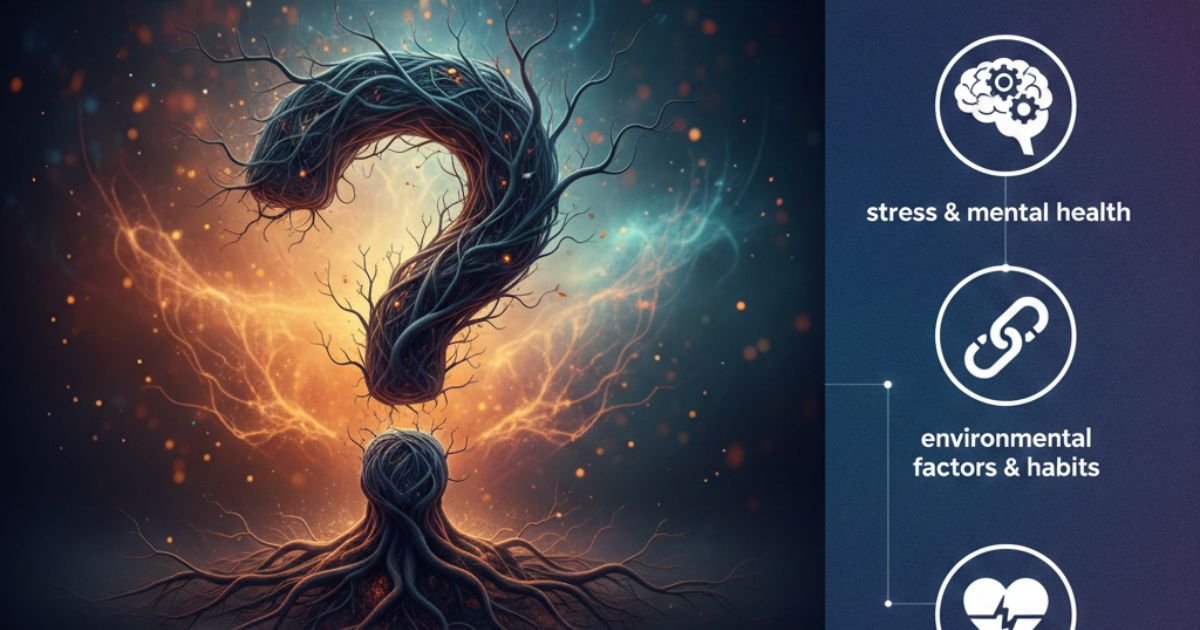
So, what throws this delicate hormonal symphony out of tune in the first place? The causes can range from natural life events to underlying health issues and even the environment around you.
Life Stages & Natural Cycles
Your body is designed to go through several major hormonal shifts. These are normal and expected parts of life.
- Puberty: The hormonal surge that kicks off the teenage years.
- Pregnancy: A nine-month-long hormonal marathon.
- Perimenopause and Menopause: The transition period leading up to the end of menstruation, where hormone levels can fluctuate wildly before declining.
Underlying Medical Conditions
Sometimes, a persistent hormonal imbalance is a sign of an underlying medical issue that needs attention. Some of the most common conditions include:
- Polycystic Ovary Syndrome (PCOS): A condition where the ovaries produce an abnormal amount of androgens (male sex hormones), leading to irregular periods, cysts on the ovaries, and other symptoms.
- Thyroid Disorders: Your thyroid is a small gland with a huge job. If it’s underactive (hypothyroidism) or overactive (hyperthyroidism), it can disrupt nearly every system in your body.
- Insulin Resistance and Diabetes: When your body doesn’t respond properly to insulin, it can throw your blood sugar and other hormones out of balance.
- Adrenal Dysfunction: Your adrenal glands produce cortisol. When you’re under constant stress, these glands can become overworked, leading to an imbalance that causes fatigue and other issues.
Lifestyle & Environmental Factors
Our modern world can be tough on our hormones. Daily habits and environmental exposures play a surprisingly large role.
- Chronic Stress: Constant stress keeps your cortisol levels high, which can suppress other important hormones, leading to weight gain, sleep problems, and anxiety.
- Poor Diet and Gut Health: A diet high in sugar and processed foods can disrupt your gut bacteria. Your gut has its own little ecosystem of microbes, called the “estrobolome,” which helps process estrogen. When your gut is unhealthy, it can’t do its job properly, leading to estrogen dominance. Nutrient deficiencies are also a major factor.
- Exposure to Endocrine Disruptors: We are surrounded by chemicals that can mimic or block our hormones. These are called endocrine disruptors or xenoestrogens. They are found in plastics (like BPA), pesticides, and even some personal care products. Over time, this exposure can contribute to a significant hormonal imbalance.
How Long Does It Take to Balance Hormones Naturally?
When you start making positive changes, it’s natural to wonder, “How long until I feel better?” The honest answer is that it’s a gradual process. There’s no magic pill or quick fix. Naturally balancing your hormones often takes several months of consistent effort, but the good news is that you can start feeling small improvements much sooner.
Your body needs time to heal and recalibrate. Think of it like turning a large ship—it doesn’t happen instantly. But with patience and consistency, you can steer yourself back to calm waters.
The Foundational Four: Core Lifestyle Strategies
Instead of getting overwhelmed, focus on these four foundational pillars. They work together to create a powerful, positive effect on your hormonal health.
- Nourish Your Body: Food is medicine when it comes to hormones. Focus on eating a variety of whole foods, including lean proteins, healthy fats (like avocados and olive oil), and tons of fiber from fruits and vegetables. Fiber is especially important for helping your body get rid of excess hormones. You might also want to explore seed cycling, a simple practice of eating specific seeds (like flax, pumpkin, sesame, and sunflower) at different times of your menstrual cycle to support estrogen and progesterone levels.
- Master Your Stress: You can’t eliminate stress, but you can change how you respond to it. Incorporate stress-management techniques into your daily routine. This could be 10 minutes of mindfulness meditation, a gentle yoga session, deep breathing exercises, or simply taking a walk in nature. Prioritizing quality sleep is also non-negotiable, as this is when your body repairs itself.
- Move with Purpose: The goal is consistent, moderate movement—not punishing workouts. Activities like brisk walking, swimming, dancing, and strength training are excellent for balancing hormones. Overtraining can actually raise cortisol levels, so listen to your body and find a form of exercise you truly enjoy.
- Supplement Smartly: While it’s best to get nutrients from food, some supplements can provide extra support. Vitamin D acts more like a hormone in the body, and many people are deficient. Magnesium is known as the “relaxation mineral” and can help with sleep and stress. B vitamins are crucial for energy and hormone production. Always talk to a doctor before starting any new supplements.
When to Seek Medical Help: Diagnosis and Treatment
Lifestyle changes are powerful, but sometimes they aren’t enough. If your symptoms are severe or persistent, it’s time to bring in a professional. Don’t hesitate to seek medical help to get a clear diagnosis and create a targeted treatment plan.
Getting a Diagnosis
The first step is a conversation with your healthcare provider. To make the most of your appointment, track your symptoms for a few weeks beforehand. Note the frequency, severity, and any patterns you notice. Your doctor may recommend several tests to get a complete picture of your hormonal imbalance.
Common tests include:
- Hormonal Imbalance Test (Blood Work): This is the most common method. A comprehensive hormone panel can check your estrogen, progesterone, testosterone, and DHEA levels. Your doctor will also likely order a full thyroid panel (TSH, free T3, and free T4) and check your fasting insulin and blood sugar.
- Saliva or Urine Tests: These can be useful for measuring cortisol patterns throughout the day, which can help identify adrenal issues.
- Ultrasounds: Your doctor might order an ultrasound to visually inspect your ovaries for signs of PCOS or to check your thyroid gland for nodules.
Conventional Medical Treatments
If a medical condition is causing your hormonal imbalance, your doctor may recommend specific treatments to address it.
- Hormone Replacement Therapy (HRT): This is often used to relieve symptoms of menopause. It involves taking medication to replace the estrogen and progesterone your body is no longer making. Bioidentical hormones, which are chemically identical to those your body produces, are another option.
- Hormonal Birth Control: Birth control pills, patches, or rings can help regulate irregular periods, reduce severe acne, and manage symptoms of conditions like PCOS and endometriosis.
- Medications for Underlying Conditions: If your imbalance is caused by a specific issue, your doctor will treat that. For example, you might be prescribed Levothyroxine for an underactive thyroid or Metformin to improve insulin sensitivity in cases of PCOS or pre-diabetes.
Conclusion
Hormonal imbalance in women should never be ignored, especially when symptoms persist or worsen over time. Early recognition allows women to seek timely medical advice and avoid long-term health issues. Simple lifestyle changes, proper nutrition, and stress management can make a significant difference. In some cases, medical treatment may be necessary to restore balance. Listening to your body and tracking symptoms is extremely important. With the right approach, women can regain hormonal balance and improve overall well-being.
FAQs
What are the most common symptoms of hormonal imbalance in women?
The most common symptoms of hormonal imbalance in women include irregular periods, unexplained weight gain, fatigue, mood swings, and sleep problems. Some women also experience acne, hair thinning, or excessive hair growth. Digestive issues and low energy levels are also frequently reported. These symptoms may appear slowly and worsen over time. Because they overlap with other conditions, hormonal imbalance is often overlooked. Consulting a healthcare provider can help confirm the cause.
What causes hormonal imbalance in women?
Hormonal imbalance in women can be caused by stress, poor diet, lack of sleep, or excessive physical or emotional pressure. Medical conditions such as PCOS, thyroid disorders, and diabetes are also common causes. Life stages like pregnancy, menopause, and puberty naturally affect hormone levels. Certain medications and birth control methods may also disrupt hormonal balance. Environmental toxins and lifestyle habits play a role as well. Identifying the root cause is key to effective treatment.
Can hormonal imbalance affect mental health?
Yes, hormonal imbalance in women can significantly affect mental health. Hormones influence brain chemistry and emotional regulation. Imbalances may lead to anxiety, depression, irritability, or mood swings. Many women feel emotionally overwhelmed without understanding why. These changes can interfere with work, relationships, and daily life. Treating the hormonal imbalance often improves emotional well-being. Professional support may also be helpful in managing mental symptoms.
How is hormonal imbalance diagnosed?
Hormonal imbalance in women is usually diagnosed through a combination of symptom evaluation and medical tests. Doctors often recommend blood tests to measure hormone levels. In some cases, saliva or urine tests may be used. A detailed medical history helps identify lifestyle or health-related causes. Imaging tests may be required if gland issues are suspected. Accurate diagnosis allows for a personalized treatment plan.
How can hormonal imbalance in women be treated naturally?
Natural treatment options focus on improving lifestyle habits and overall health. Eating a balanced diet rich in whole foods can support hormone production. Regular exercise helps regulate insulin and stress hormones. Reducing stress through meditation or relaxation techniques is also beneficial. Proper sleep plays a major role in hormonal regulation. While natural methods can help, medical guidance is recommended for persistent symptoms.